
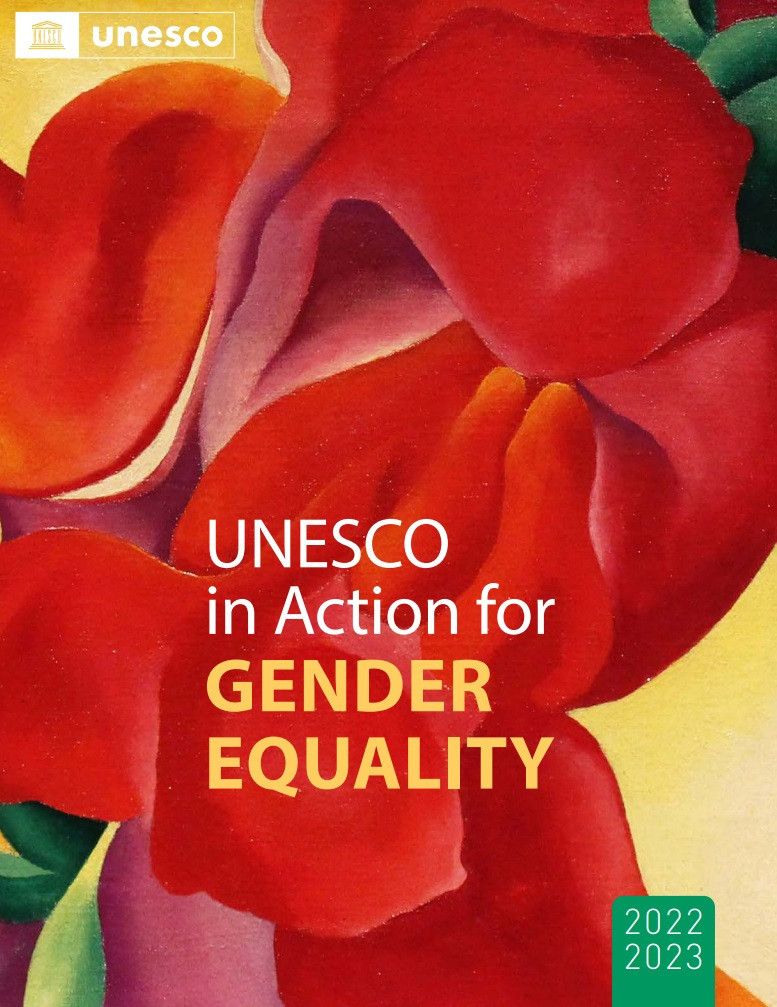
UNESCO in action for gender equality: 2022-2023
- Corporate Author
- UNESCO
- Collation
- 116p.
- Resource Language
- EnglishFrench
- Year of publication
- 2023
- Resource Type
- Conference and programme reports
- Level of education
- Others
- Region
- Global
- Place of publication
- Paris
<Short summary>
Intersecting Global Crises Cannot Be Solved Without Gender Equality
The compounding global crises that have emerged and amplified over the past two years require transformative, structural solutions if we are to build and shape sustainable and peaceful societies. Education has experienced the largest disruption in history as a result of the COVID-19 health crisis. Biodiversity has seen a steep decline – at alarming rates – on both land and in the ocean. Conflicts and emergencies that destabilise progress towards just and peaceful societies have increased in number, while human rights violations are multiplying in new contexts, including online and offline. The decisions we make and the actions we take – now – will have consequences for generations to come.
None of these intersecting crises can be solved by one country alone and none of them are gender neutral. Placing gender equality at the heart of multilateral action can harness the talents, ingenuity, and visions of one-half of the world’s population. The standards of ethics and human rights demand gender equality. So, too, do the numbers. Some of humankind’s greatest challenges require efficient and tangible solutions. The paradigm shift is needed now.
Yet, despite a growing demand for equity and justice, the UN now predicts it will take almost three centuries to close the gender gap. Under that reality, UNESCO will continue to meet barriers to its mandate and vision since gender inequality has a direct impact on all areas in which UNESCO works.
This report shows how UNESCO and its partners have provided concrete and effective solutions during the 2022-2023 biennium to advance gender equality. It has reduced inequalities in and through quality education; it has empowered women in science and technology for environmental action; it has promoted inclusion and combatted gender-based violence; it has bridged the digital gender divide and it has promoted gender equality and women’s empowerment in crisis, emergency and early recovery contexts.
UNESCO’s Global Priority Gender Equality is more relevant than ever. Together, we can amplify and expand its reach and multiply gender-transformative results for the benefit of women and girls, men and boys, all around the world.
Related Resources
-
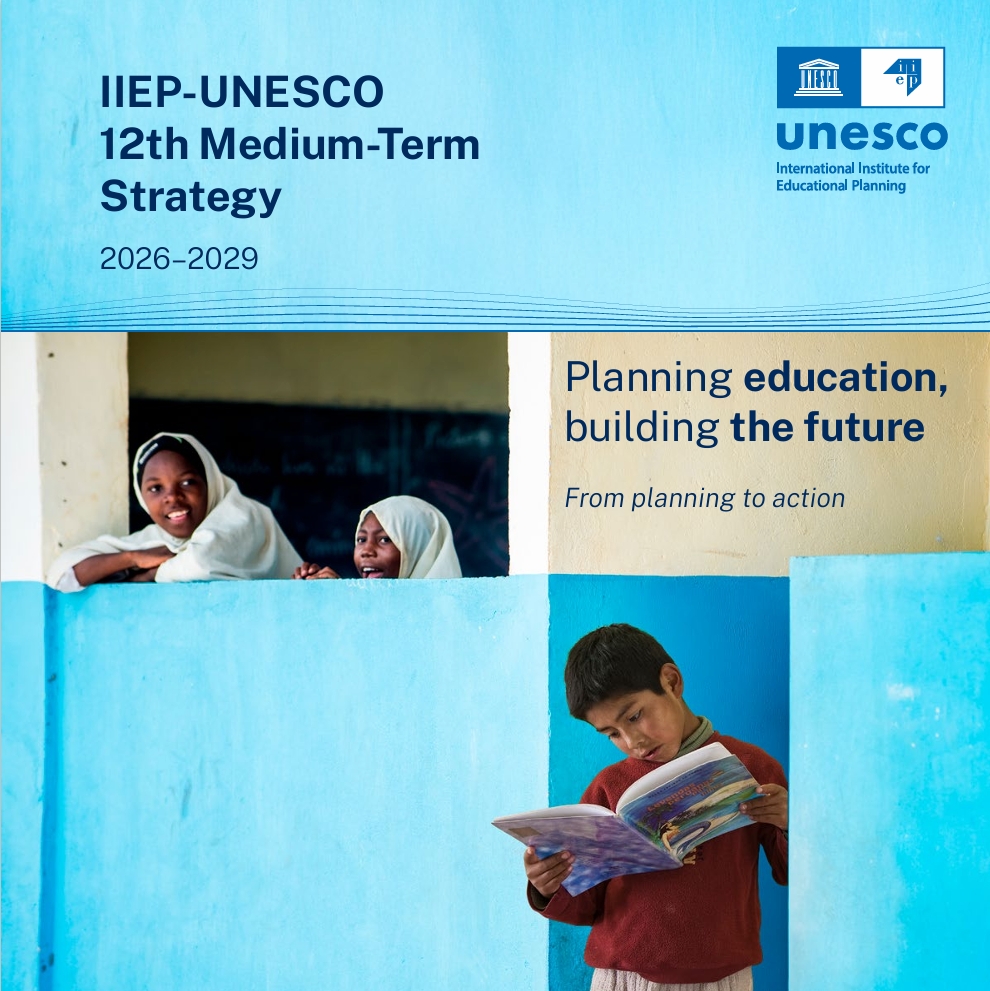 IIEP-UNESCO 12th Medium-Term Strategy: 2026–2029
 -
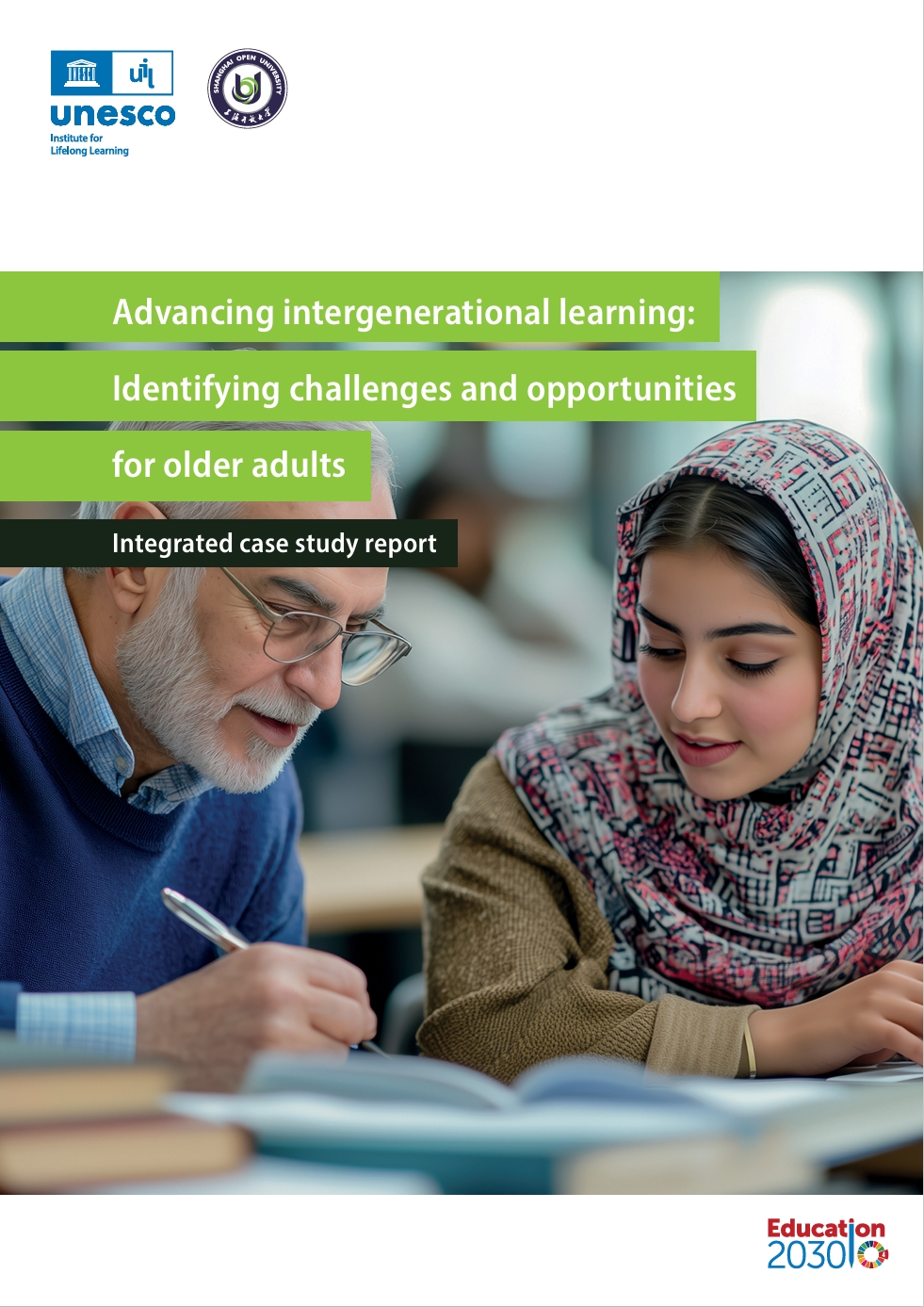 Advancing Intergenerational Learning: Identifying Challenges and Opportunities for Older Adults; Integrated Case Study Report
 -
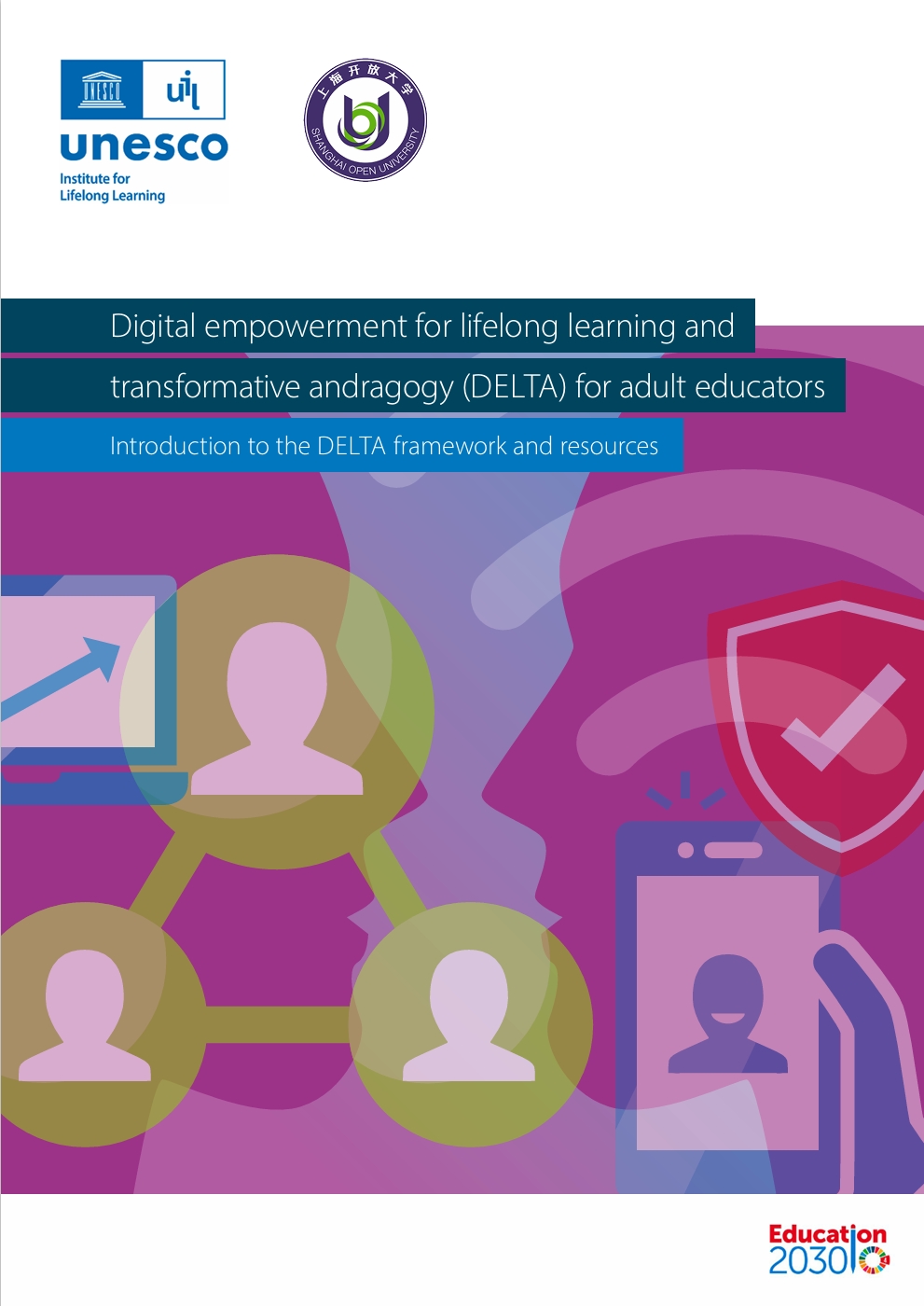 Digital Empowerment for Lifelong Learning and Transformative Andragogy (DELTA) for Adult Educators: Introduction to the DELTA Framework and Resources
 -
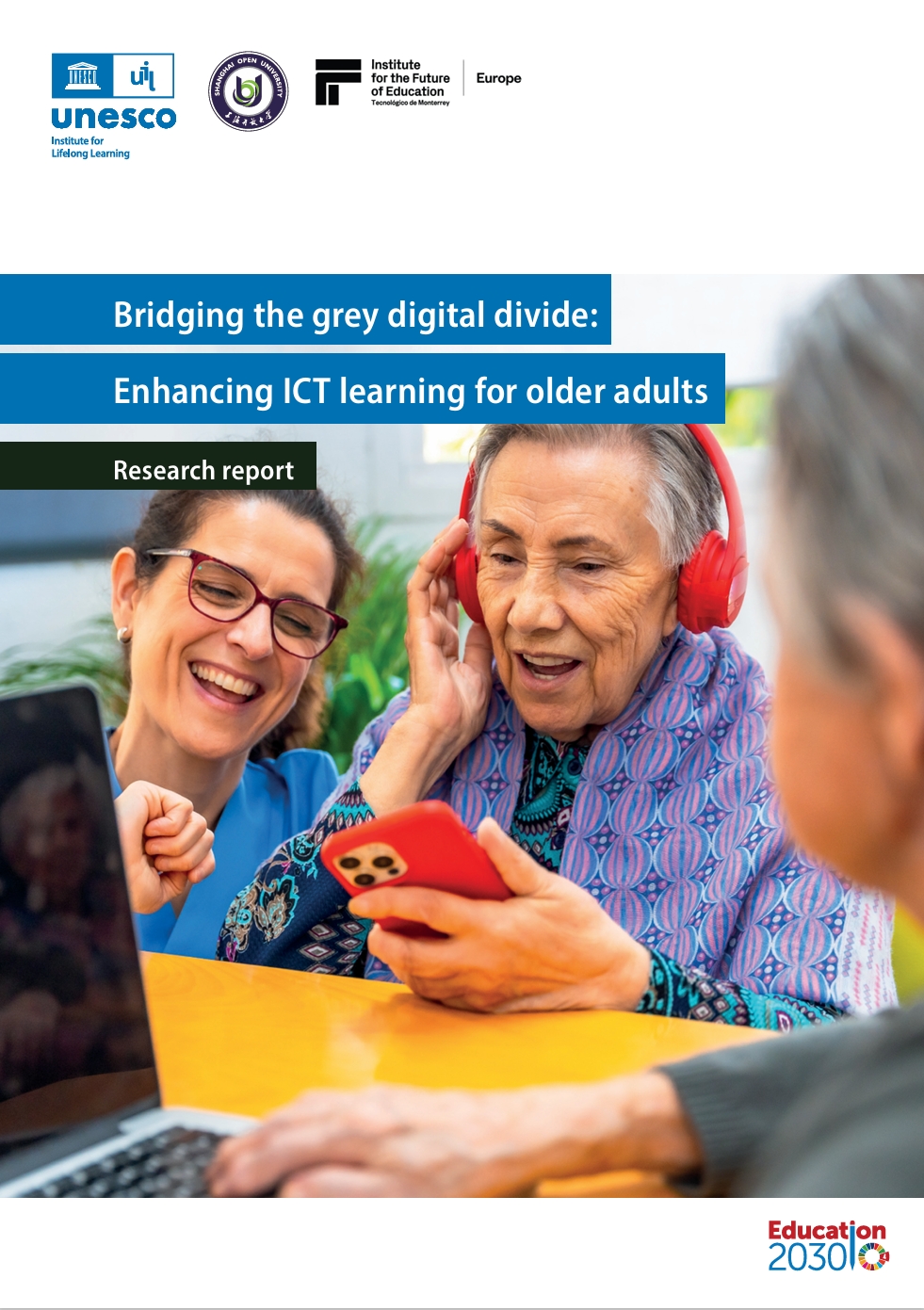 Bridging the Grey Digital Divide: Enhancing ICT Learning for Older Adults; Research Report