

Revision Process of the 1974 Recommendation concerning Education for International Understanding, Co-operation and Peace and Education relating to Human Rights and Fundamental Freedoms: Comments from Observers to the Plenary Meetings of the International Expert Group (IEG)
- Corporate Author
- UNESCO
- Collation
- 10 p.
- Resource Language
- English
- Year of publication
- 2023
- Keyword
- International educationCivic educationInternational understandingPeaceHuman rights education
- Topic
- Civic / Citizenship / DemocracyDiversity / Cultural literacy / InclusivenessHuman rightsGlobalisation and social justice / International understandingPeace / Culture of peaceSustainable development / SustainabilityTransformative initiatives / Transformative pedagogies
- Resource Type
- Conference and programme reports
- Level of education
- Early childhood care and educationPrimary educationSecondary educationHigher educationLifelong learningTechnical and vocational education and trainingNon-formal education
- Region
- Global
- Place of publication
- Paris
Adopted in 1974, the Recommendation concerning education for international understanding, co-operation and peace and education relating to human rights and fundamental freedoms is considered a landmark legal instrument that brings together for the first time peace, international understanding, human rights, fundamental freedoms and education. In line with the Resolution adopted at UNESCO’s General Conference at its 41st Session in November 2021 (41C/Resolution 17), UNESCO launched the revision of the Recommendation and convened an International Expert Group (IEG) to advise the Organization on the changes. The work of the IEG took place between May and June 2022. Though the meetings of the IEG were technical in nature (category VI), in order to ensure an open and transparent process, the Permanent Delegations were invited to listen-in to the deliberations of the IEG online, as observers, along with a select number of non-governmental organizations, intergovernmental organizations, and United Nations entities. At the end of each plenary meeting, observers to the IEG plenary meetings could submit written comments.
This document compiles the comments received from observers during this process and submitted to the IEG members for their consideration.
Related Resources
-
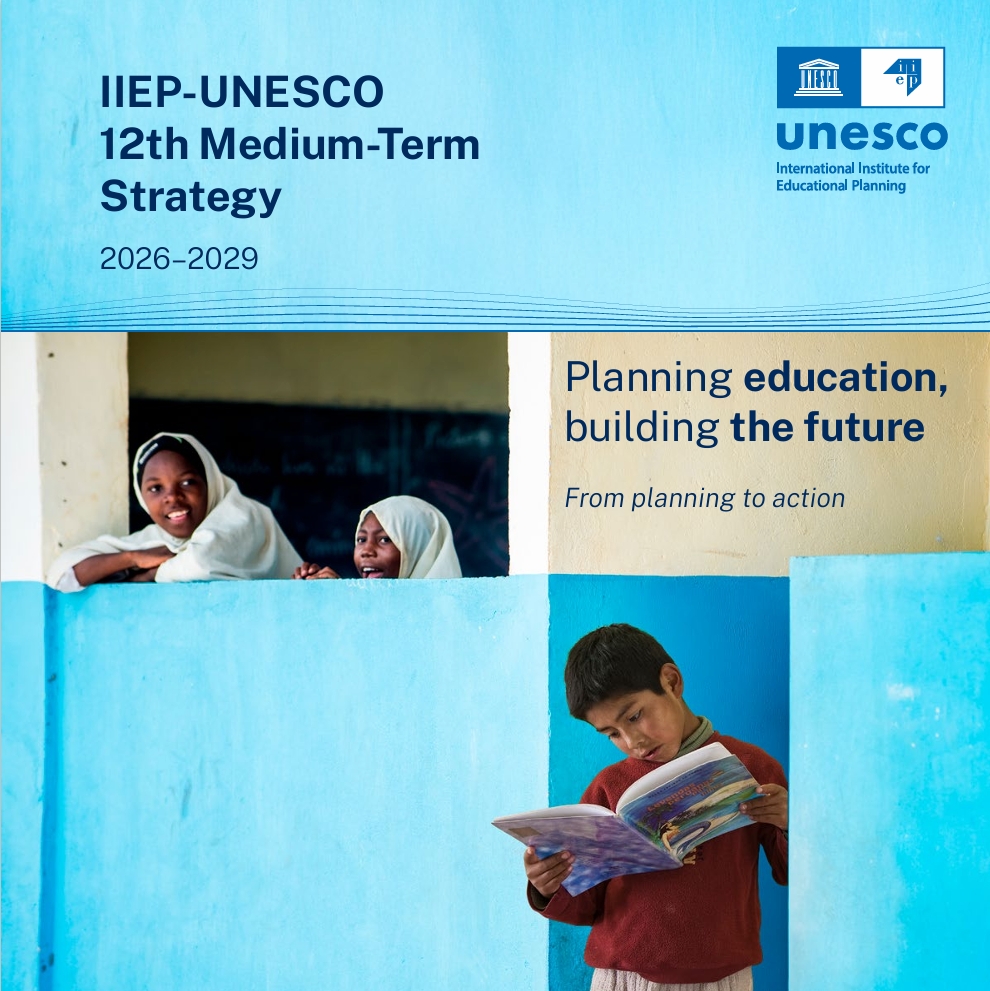 IIEP-UNESCO 12th Medium-Term Strategy: 2026–2029
 -
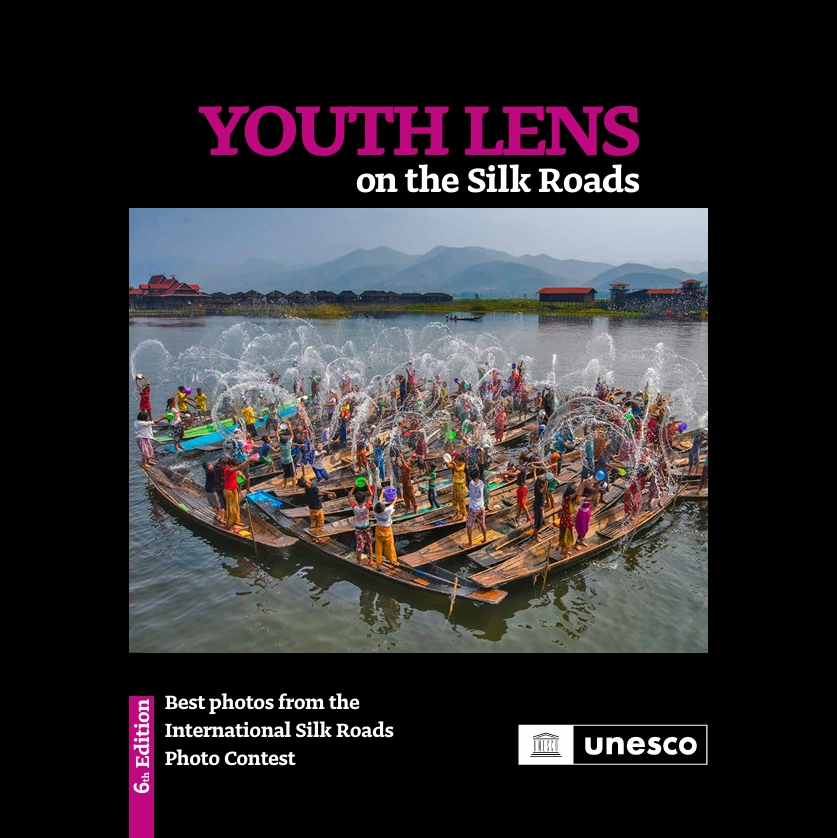 Youth Lens on the Silk Roads: Best Photos from the International Silk Roads Photo Contest; 6th Edition
 -
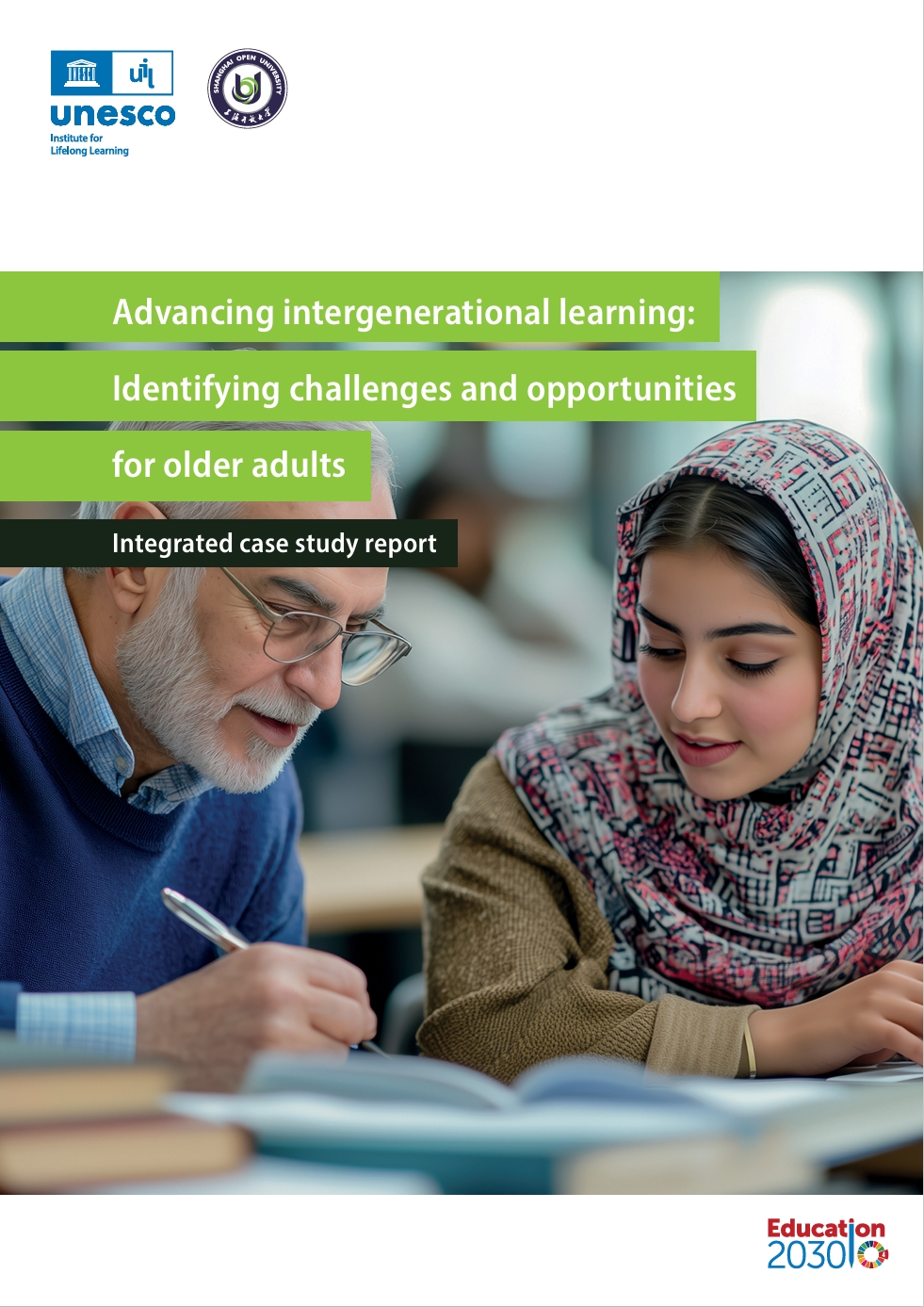 Advancing Intergenerational Learning: Identifying Challenges and Opportunities for Older Adults; Integrated Case Study Report
 -
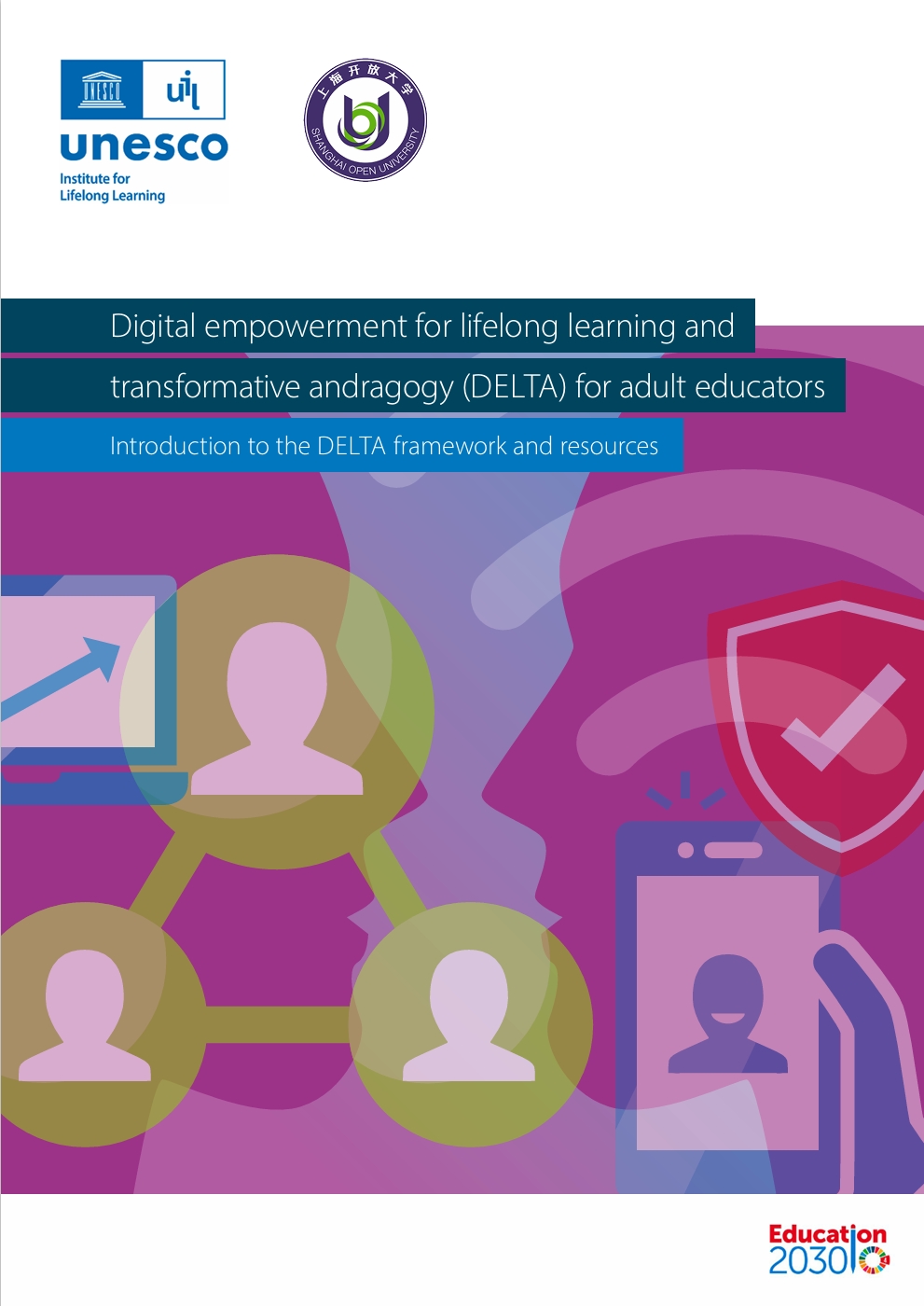 Digital Empowerment for Lifelong Learning and Transformative Andragogy (DELTA) for Adult Educators: Introduction to the DELTA Framework and Resources