
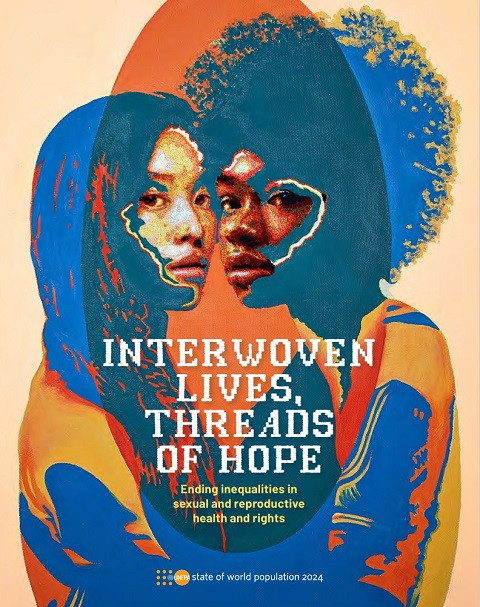
Interwoven Lives, Threads of Hope: Ending Inequalities in Sexual and Reproductive Health and Right; State of World Population 2024
- Author
- Daniel BakerAnn GarbettGretchen LuchsingerTlaleng MofokengLetlhogonolo MokgoroaneGilda SedghClaire Thomas
- Corporate Author
- United Nations Population Fund (UNFPA)
- ISBN
- ISBN 978-92-1-003131-8 (eng); ISSN 1020-5195
- Collation
- 168 p.
- Resource Language
- English
- Year of publication
- 2024
- Resource Type
- Conference and programme reports
- Level of education
- Others
- Region
- Global
- Place of publication
- New York
Everywhere, people seeking essential sexual and reproductive health care are forced to navigate overlapping hurdles because of their gender, economic status, ethnicity, sexual orientation, disability and more. In the few places where data are collected, women of African descent are found to be more vulnerable to obstetric mistreatment and negative maternal health outcomes. Indigenous women are often denied culturally appropriate maternal health care, and their own childbirth practices may be criminalized, resulting in significantly higher risk of death in pregnancy and childbirth. Gender-unequal norms remain embedded in health-care infrastructure, including persistent underinvestment in the world’s largely female midwifery workforce. Women and girls with disabilities face up to 10 times more gender-based violence while also facing higher barriers to sexual and reproductive information and care. LGBTQIA+ people face serious health disparities in addition to – and as a result of – discrimination and stigma.
The path forward to fulfill the Cairo International Conference on Population and Development promise of universal sexual and reproductive health and rights is clear: To achieve it we must root out inequalities from our health systems and policies and focus as a priority on those women and young people who are most marginalized and excluded.
We need comprehensive, universal and inclusive health care grounded in human rights and evidence of what works. This work is vitally important, it is just, and it is possible. This report contains many examples of programmes and efforts that have expanded access to, and uptake of, quality care, usually with interventions tailored by and for those most in need. To accelerate success, we will require more and better data, disaggregated to understand exactly who is being left behind, and collected with their input and safety assured.
Related Resources
-
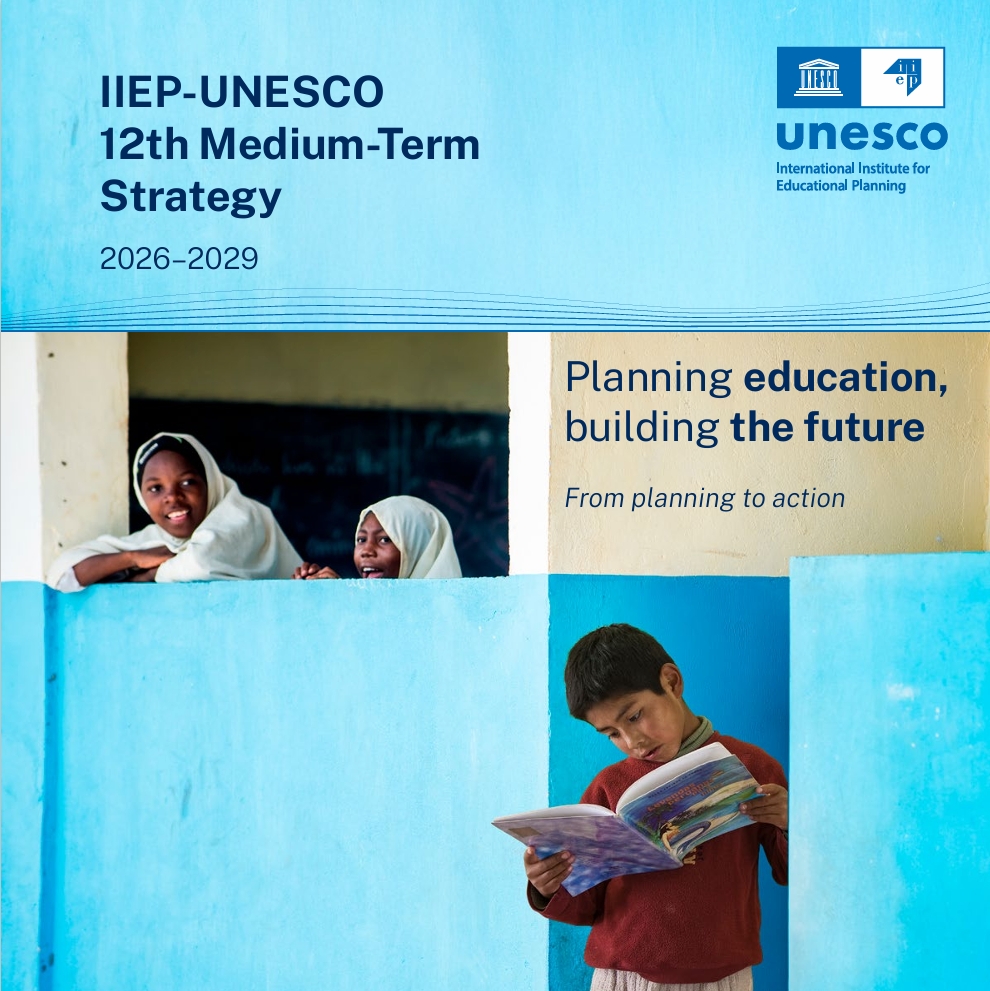 IIEP-UNESCO 12th Medium-Term Strategy: 2026–2029
 -
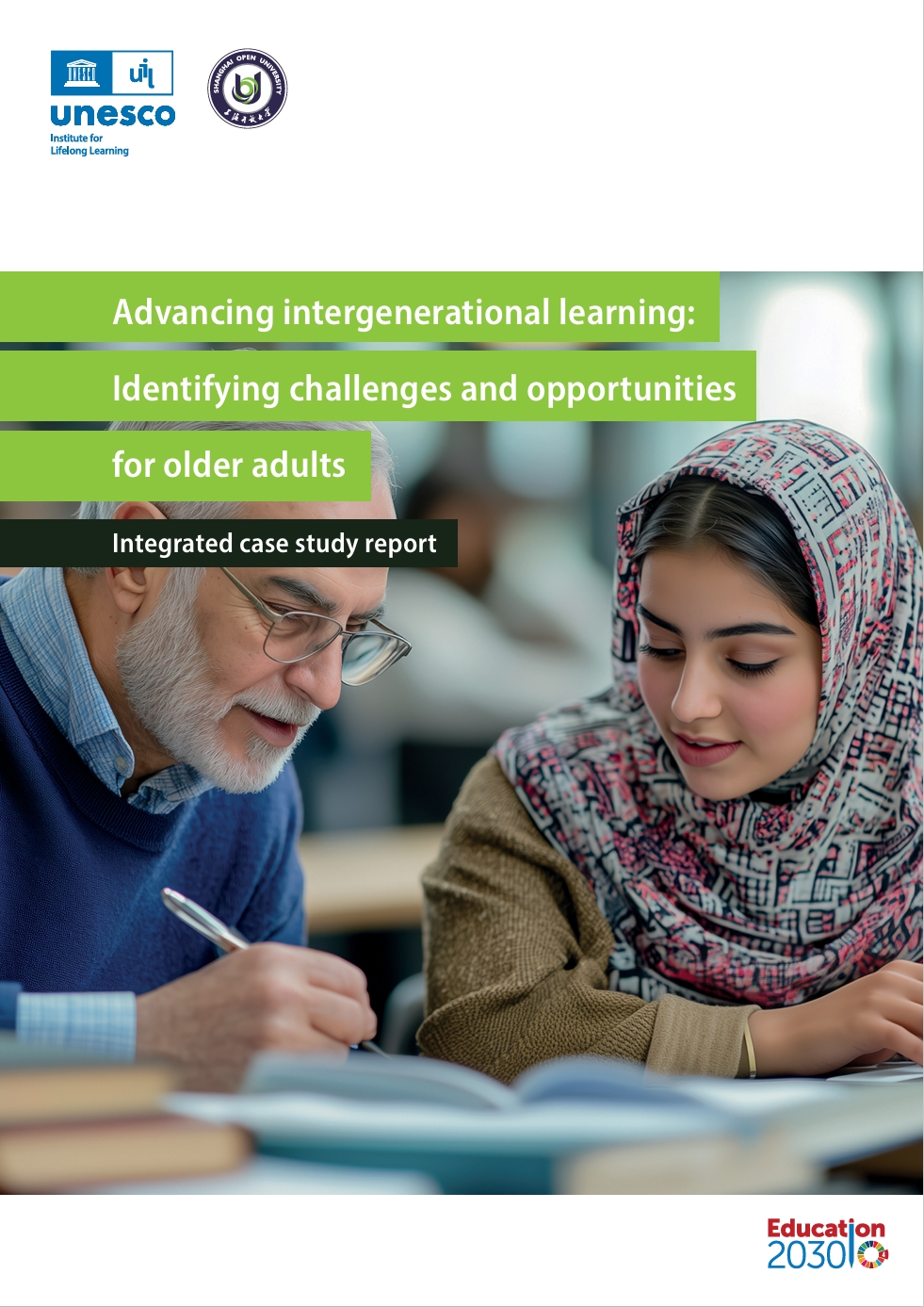 Advancing Intergenerational Learning: Identifying Challenges and Opportunities for Older Adults; Integrated Case Study Report
 -
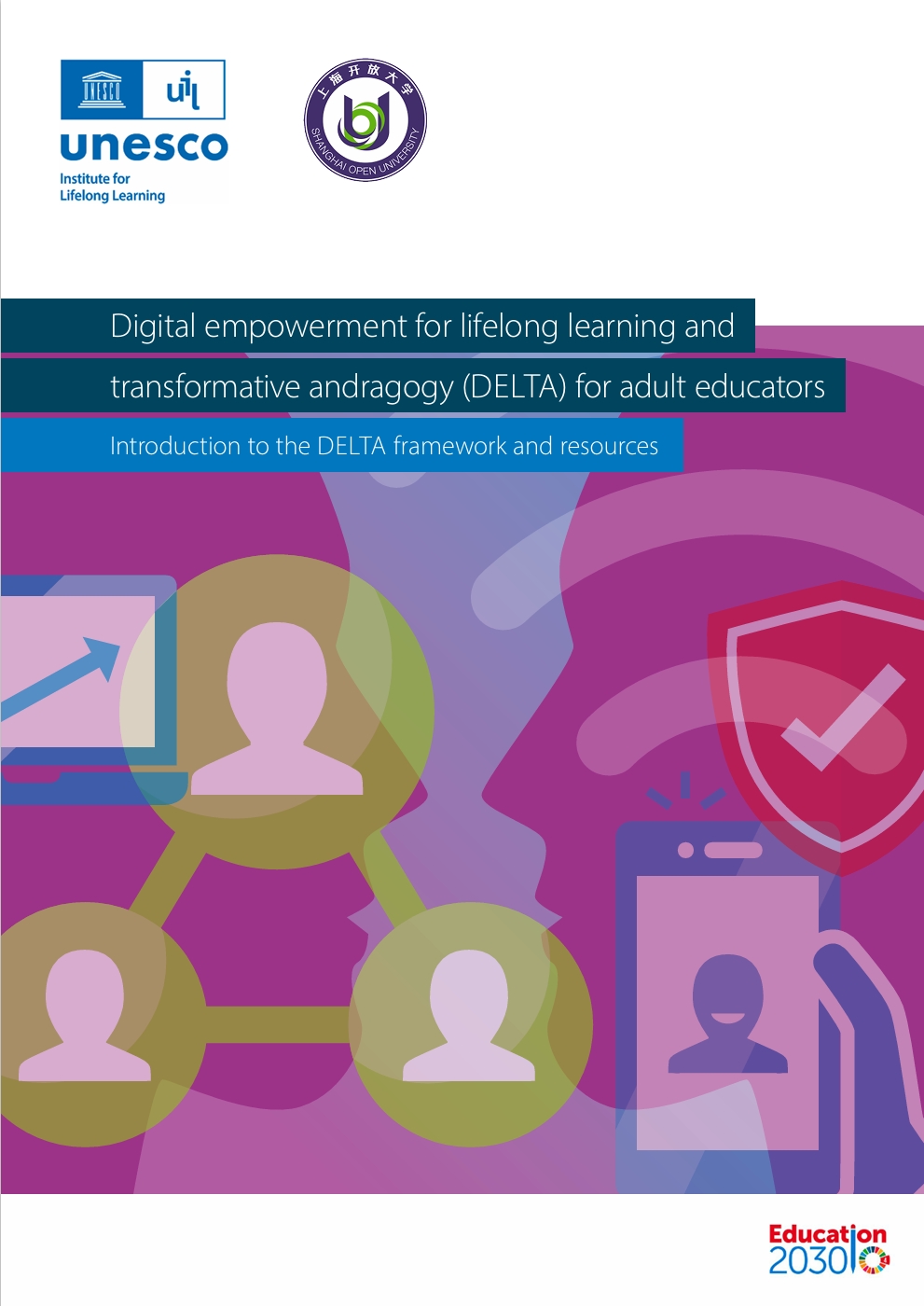 Digital Empowerment for Lifelong Learning and Transformative Andragogy (DELTA) for Adult Educators: Introduction to the DELTA Framework and Resources
 -
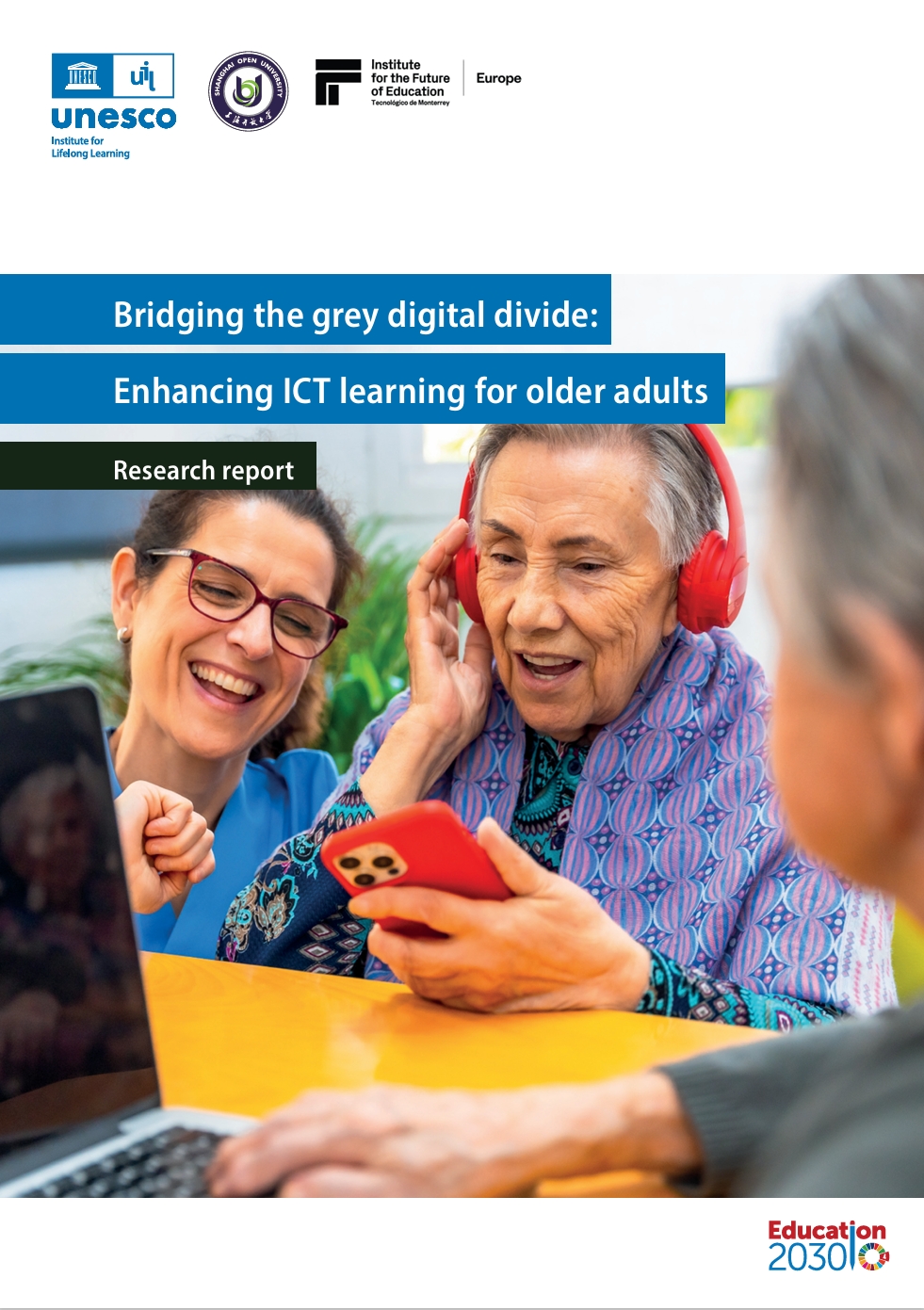 Bridging the Grey Digital Divide: Enhancing ICT Learning for Older Adults; Research Report