
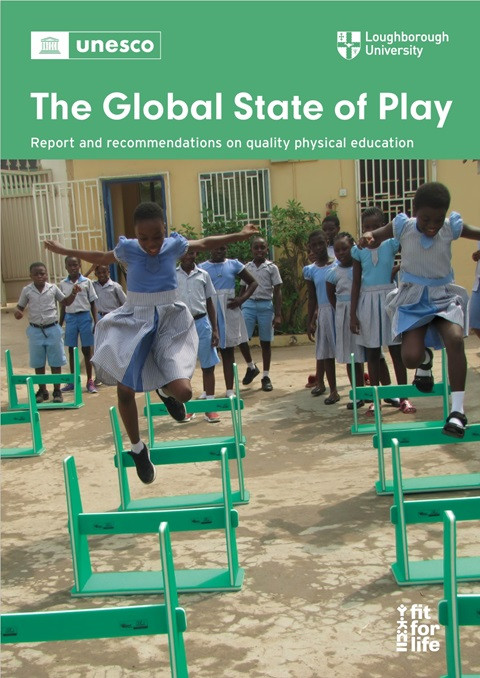
The Global State of Play: Report and Recommendations on Quality Physical Education
- Corporate Author
- UNESCOLoughborough University
- ISBN
- ISBN 978-92-3-100603-6
- Collation
- 98 p.
- Resource Language
- English
- Year of publication
- 2024
- Topic
- Sustainable development / SustainabilityTransformative initiatives / Transformative pedagogies
- Resource Type
- International normative instruments / policy and advocacy documentsConference and programme reports
- Level of education
- Primary educationSecondary education
- Region
- Global
- Place of publication
- Paris; Leicestershire
Active lifestyles are key to ensuring both individual well-being and sustainable, social development. Quality Physical Education (QPE) plays a key role in achieving this by fostering lifelong physical activity, improving young people’s mental and emotional well-being, and developing critical life skills. UNESCO’s sport initiative, Fit for Life, advocates QPE as a cost-effective investment.
Despite its potential as a core curricula subject, UNESCO data reveal that PE is often under-prioritized and due to a lack of investment in certain areas, such as staff training and facilities, potential benefits are not fully realised for students around the world. This investment gap connects directly to a delivery gap. Although 83% of countries worldwide report PE as compulsory in schools, there remain significant issues with the quality of delivery and the diversity of lesson planning within curricula:
• Only 1 in 3 secondary school students worldwide meet the minimum requirement of 180 minutes of PE minutes per week set out in UNESCO’s Quality Physical Education Policy Guidelines.
• Only 61.7% of schools fully include students with disabilities alongside their peers without disabilities in PE classes.
• Only 7.1% of schools implement equal PE time for boys and girls, despite 54.5% of countries having policies or plans for it.
Policymakers, PE practitioners and academia are encouraged to take action to implement PE policies, increase investment in PE, upskill PE teachers, enhance PE curricula and promote more equitable and inclusive PE environment.
Related Resources
-
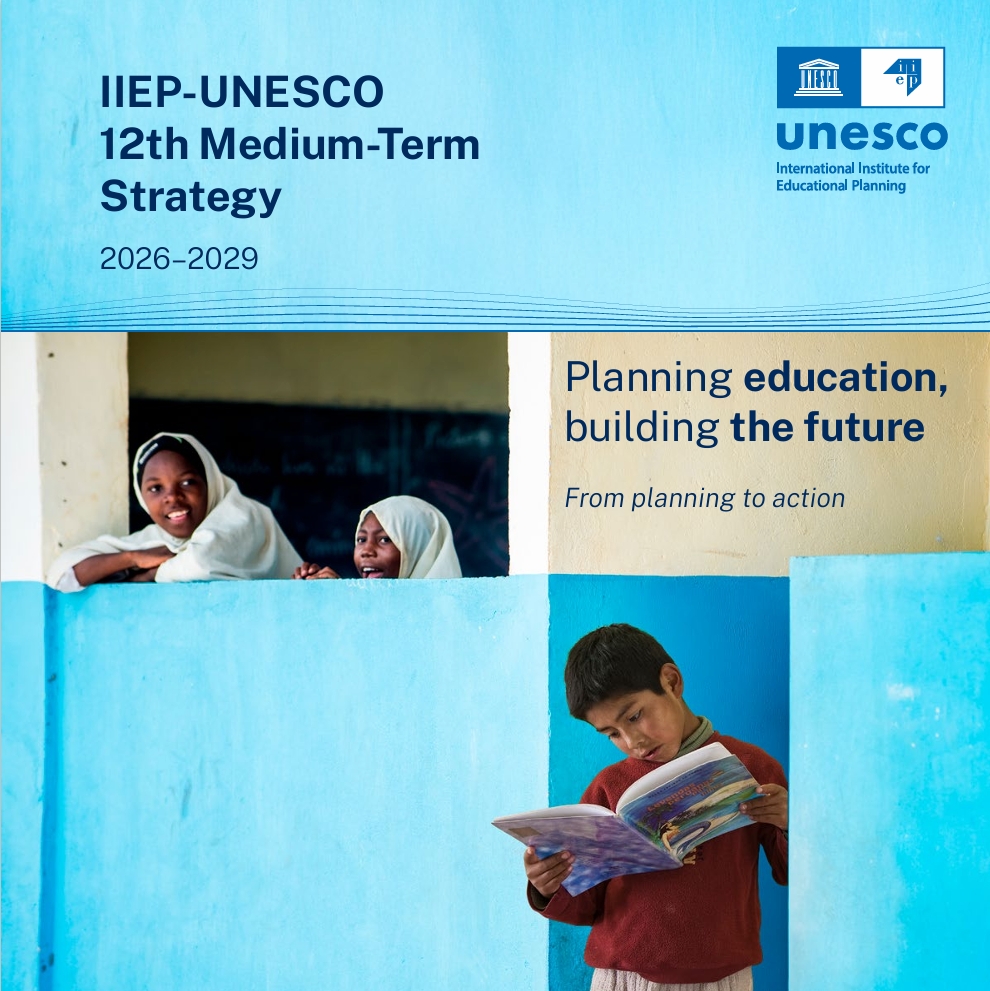 IIEP-UNESCO 12th Medium-Term Strategy: 2026–2029
 -
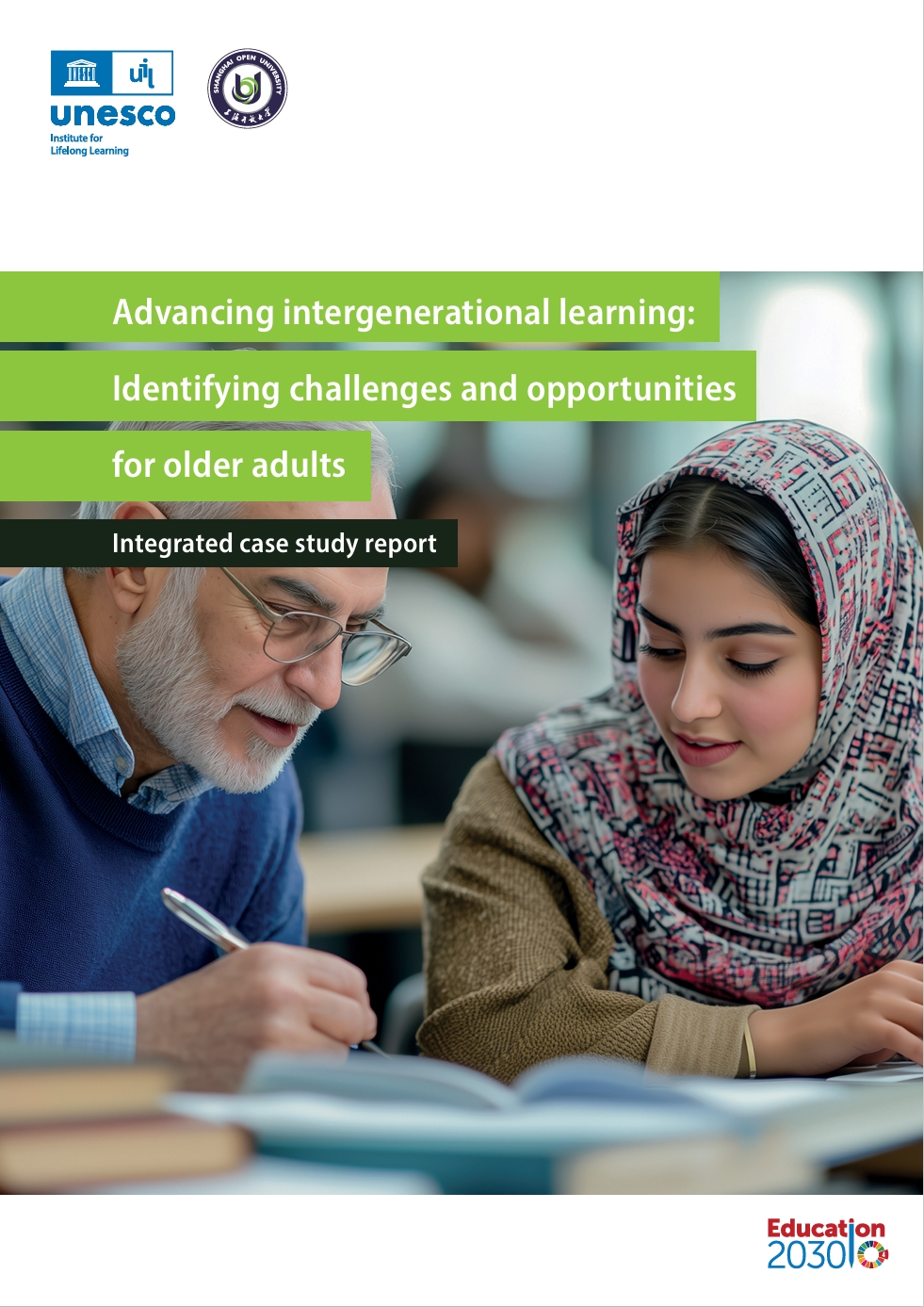 Advancing Intergenerational Learning: Identifying Challenges and Opportunities for Older Adults; Integrated Case Study Report
 -
 Digital Empowerment for Lifelong Learning and Transformative Andragogy (DELTA) for Adult Educators: Introduction to the DELTA Framework and Resources
 -
 Bridging the Grey Digital Divide: Enhancing ICT Learning for Older Adults; Research Report