
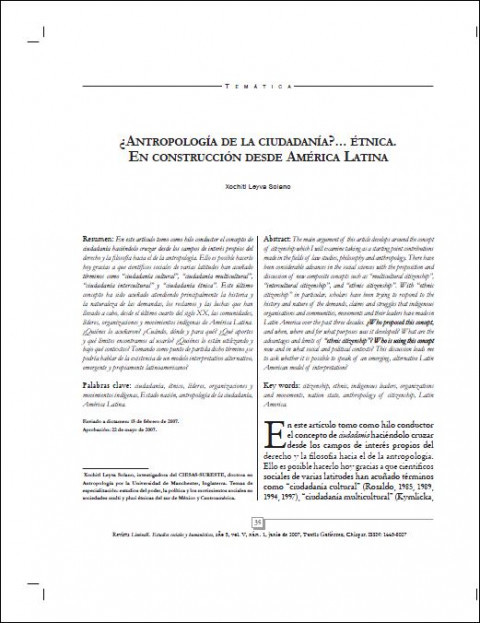
Anthropology of Citizenship? ... Ethnic. Under Construction from Latin America
- Author
- Xochitl Leyva Solano
- ISBN
- ISSN 1665-8027
- Collation
- pp. 35-59
- Resource Language
- Spanish
- Year of publication
- 2007
- Keyword
- CitizenshipHuman rightsDiversity
- Resource Type
- Research papers / journal articles
- Level of education
- Non-formal education
- Place of publication
- Tuxtla Gutiérrez
The main argument of this article develops around the concept of citizenship which I will examine taking as a starting point contributions made in the fields of law studies, philosophy and anthropology. There have been considerable advances in the social sciences with the proposition and discussion of new composite concepts such as “multicultural citizenship”, “intercultural citizenship”, and “ethnic citizenship”. With “ethnic citizenship” in particular, scholars have been trying to respond to the history and nature of the demands, claims and struggles that indigenous organizations and communities, movements and their leaders have made in Latin America over the past three decades. ¿Who proposed this concept, and when, where and for what purposes was it developed? What are the advantages and limits of “ethnic citizenship”? Who is using this concept now and in what social and political contexts? This discussion leads me to ask whether it is possible to speak of an emerging, alternative Latin American model of interpretation.
Related Resources
-
 IIEP-UNESCO 12th Medium-Term Strategy: 2026–2029
 -
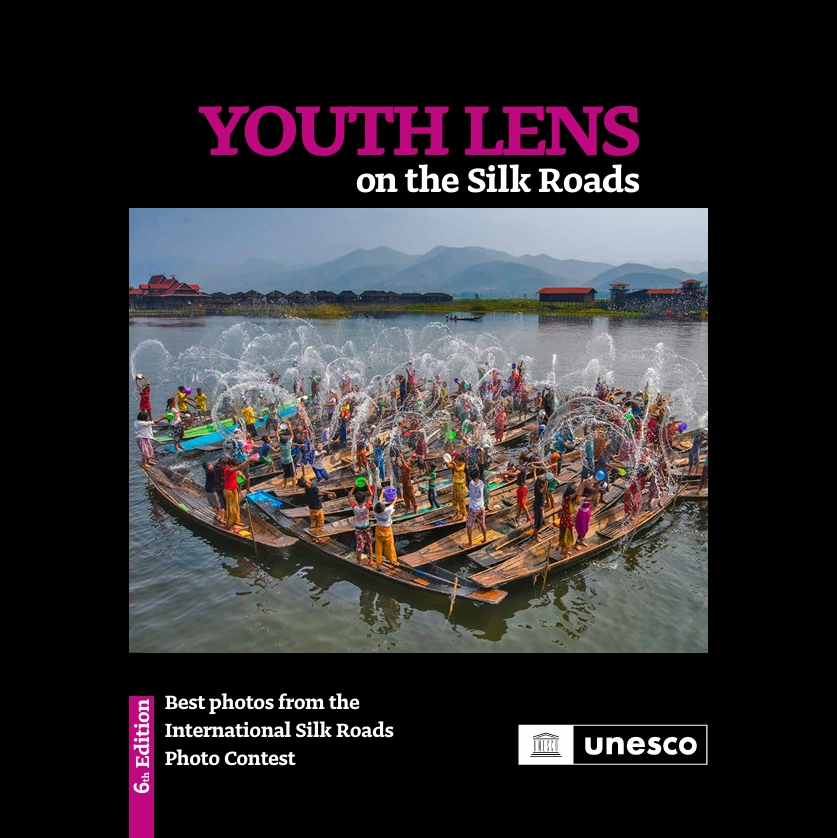 Youth Lens on the Silk Roads: Best Photos from the International Silk Roads Photo Contest; 6th Edition
 -
 Advancing Intergenerational Learning: Identifying Challenges and Opportunities for Older Adults; Integrated Case Study Report
 -
 Digital Empowerment for Lifelong Learning and Transformative Andragogy (DELTA) for Adult Educators: Introduction to the DELTA Framework and Resources