
Early Historical Learning about National Socialism and the Persecution of Jews: Family Conditions, Interests and Acquisition of Knowledge among Fourth Graders
- Author
- Christina Klätte
- ISBN
- ISSN 1860-1251
- Collation
- p. 85-99
- Resource Language
- German
- Year of publication
- 2012
- Keyword
- Genocide
- Topic
- Civic / Citizenship / DemocracyPreventing violent extremism and genocideDiversity / Cultural literacy / Inclusiveness
- Resource Type
- Research papers / journal articles
- Level of education
- Primary education
- Region
- Europe and North America
- Place of publication
- Berlin
The original title: Frühes Historisches Lernen über Nationalsozialismus und Judenverfolgung: Familiäre Bedingungen, Interessen und Wissenserwerb bei Viertklässlern
(Kinder und Zeitgeschichte: Jüdische Geschichte und Gegenwart, Nationalsozialismus und Antisemitismus Supplement 8, pp. 85–99)
This is a quantitative study of German primary school children’s knowledge about the Holocaust. It demonstrates the importance of family background, family discussion and a general interest in history. It also displays how teachers’ willingness to bring up the Nazi period at a comparatively early age, among other things, depends upon the socio-economic status of the school children’s parents.
The above abstract is taken from the International Holocaust Remembrance Alliance Education Research Project. Please also consult the full list of abstracts in 15 languages and the accompanying publication Research in Teaching and Learning about the Holocaust: A Dialogue Beyond Borders. Ed: IHRA, Monique Eckmann, Doyle Stevick, Jolanta Ambrosewicz-Jacobs, 2017, Metropol Verlag at www.holocaustremembrance.com/resources/publications.
Related Resources
-
 Study on the Historical Impact of the 1974 Recommendation concerning Education for International Understanding, Cooperation and Peace and Education relating to Human Rights and Fundamental Freedoms
 -
 IIEP-UNESCO 12th Medium-Term Strategy: 2026–2029
 -
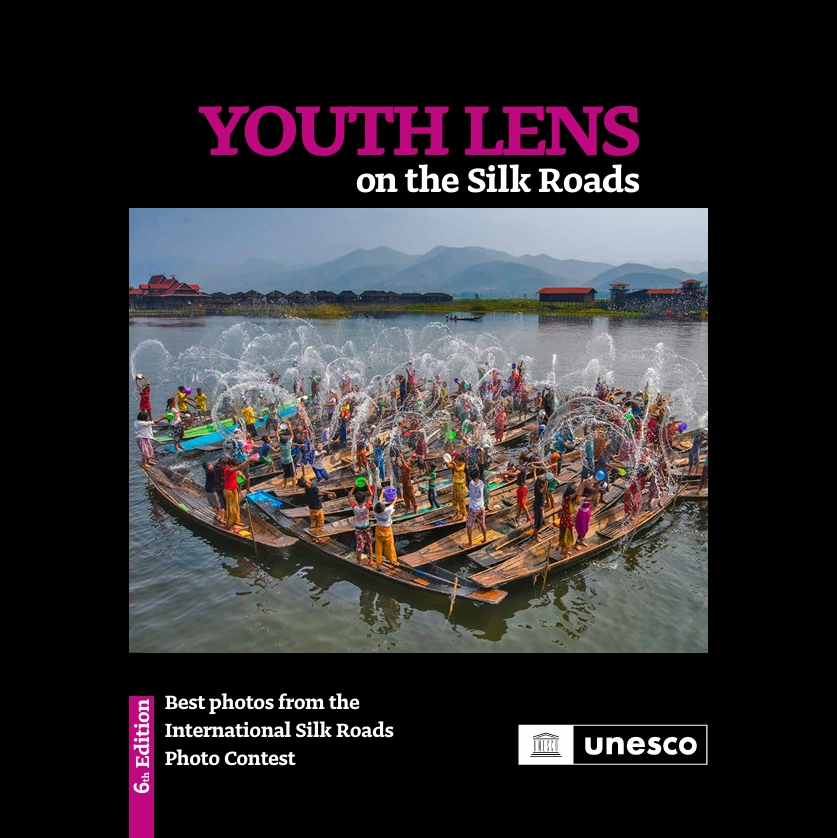 Youth Lens on the Silk Roads: Best Photos from the International Silk Roads Photo Contest; 6th Edition
 -
 More than Welcome: Intercultural Integration of Migrants in and Through Higher Education