
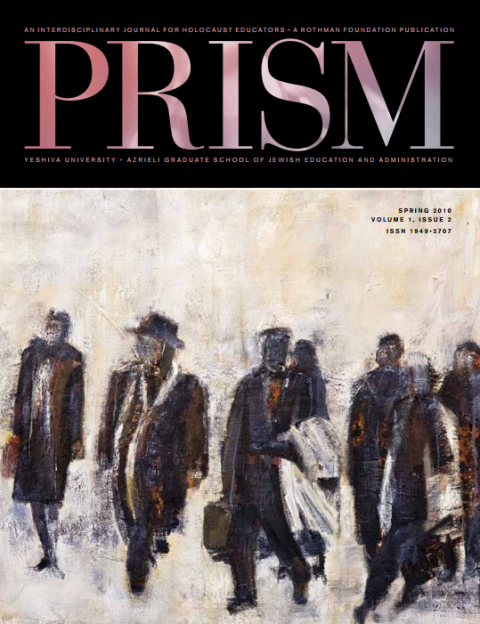
The layering of knowledge, memory, and understanding. Using Berlin’s ‘Places of Remembrance’ memorial to teach about the Holocaust
Carson Phillips offers detailed and specific suggestions for teaching about the Berlin memorial described in Pnina Rosenberg’s essay (pp. 90–96), along with extended learning opportunities that feature contemporary encounters with, and the meaning of, that and two additional exhibits. “This educational unit,” he writes, “is designed to develop the critical thinking skills of students, to elucidate the complexities of the Holocaust, and to examine the range of human responses to it.” An invaluable aid for educators is the appendix with the text of decrees originally imposed between 1933 and 1945. (By the publisher)
Related Resources
-
 Addressing Violent Pasts Through Education: A Policy Guide
 -
 Where Learners Meet History: Reaffirming the Role of History Education in the 21st Century
 -
 Voices Against Violence: Middle Years
 -
 Study on the Historical Impact of the 1974 Recommendation concerning Education for International Understanding, Cooperation and Peace and Education relating to Human Rights and Fundamental Freedoms