
Teaching the Holocaust: The relevance of children's perceptions of Jewish culture and identity
- Level of education
- Secondary education
The Holocaust is now part of the history curriculum for all 11-14-year olds in maintained schools in England and Wales. In this paper it is argued that for the Holocaust to be taught effectively, teachers will need to have some idea of how children within this age group perceive Jewish culture and identity. The empirical core of the paper attempts to go some way towards meeting this need. Seventy-two children aged between 12 and 14 were interviewed in order to explore their knowledge of Judaism, the nature of any misconceptions they may have about the faith, the extent to which they appreciate the commonalities between Judaism and Christianity and their awareness of anti-Semitism. The paper concludes with a discussion of the policy implications of the findings. (By the author)
Related Resources
-
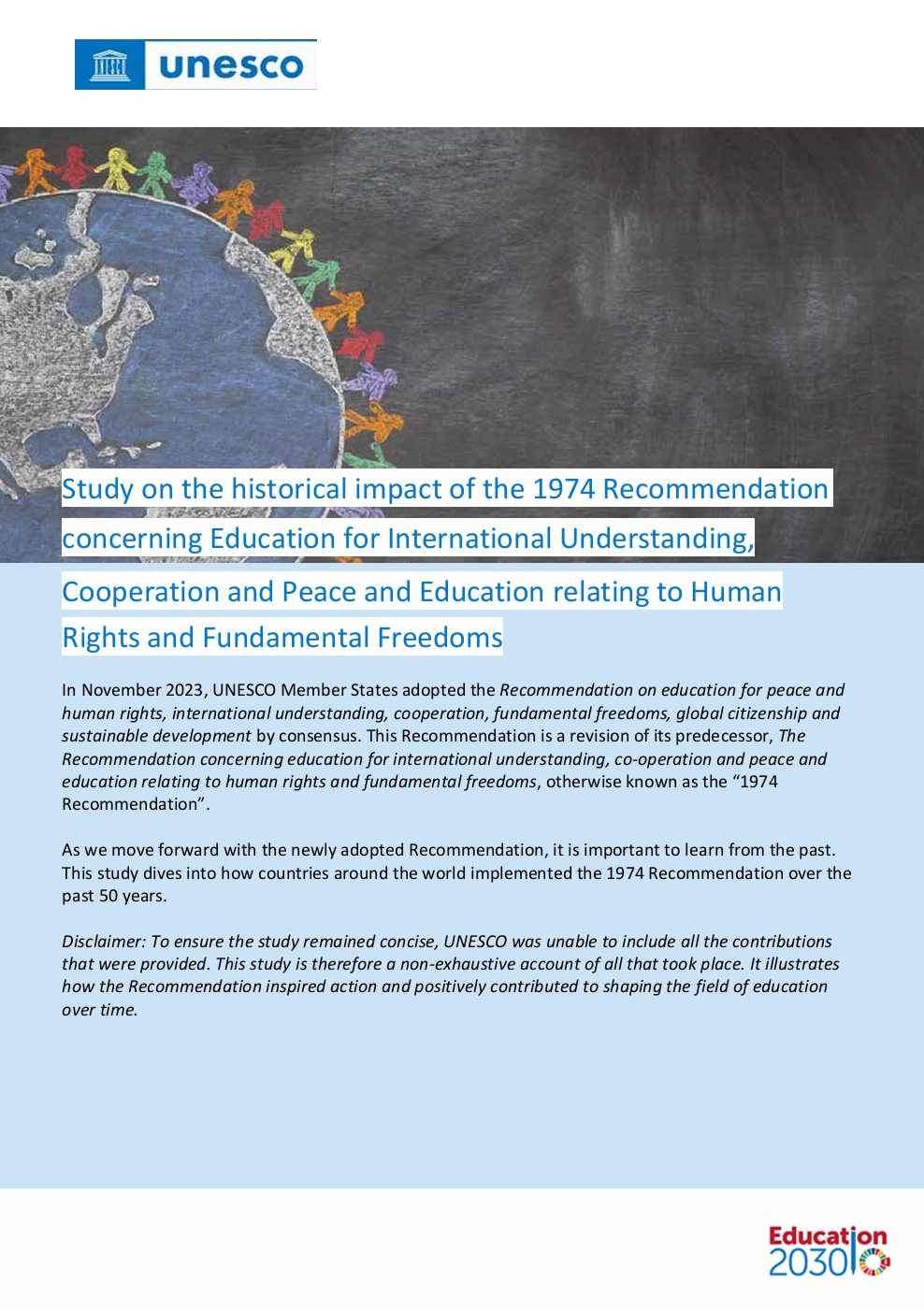 Study on the Historical Impact of the 1974 Recommendation concerning Education for International Understanding, Cooperation and Peace and Education relating to Human Rights and Fundamental Freedoms
 -
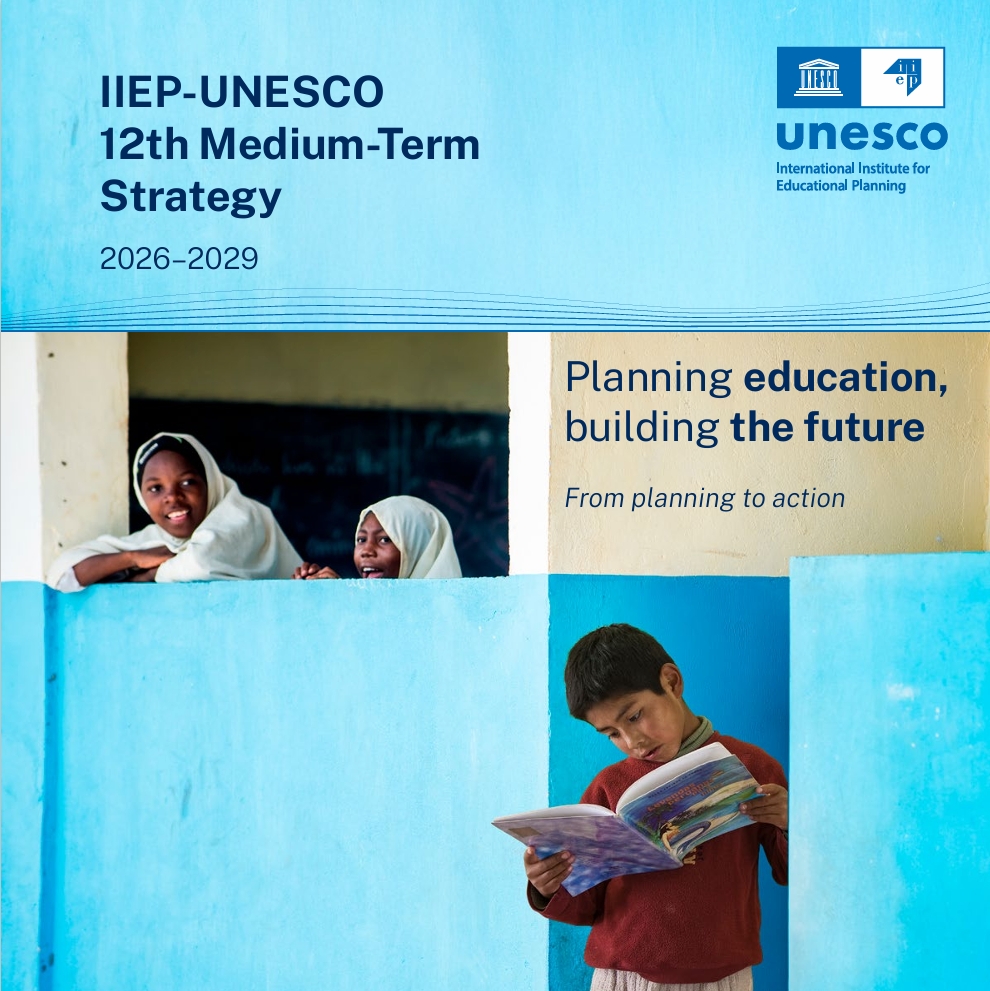 IIEP-UNESCO 12th Medium-Term Strategy: 2026–2029
 -
 More than Welcome: Intercultural Integration of Migrants in and Through Higher Education
 -
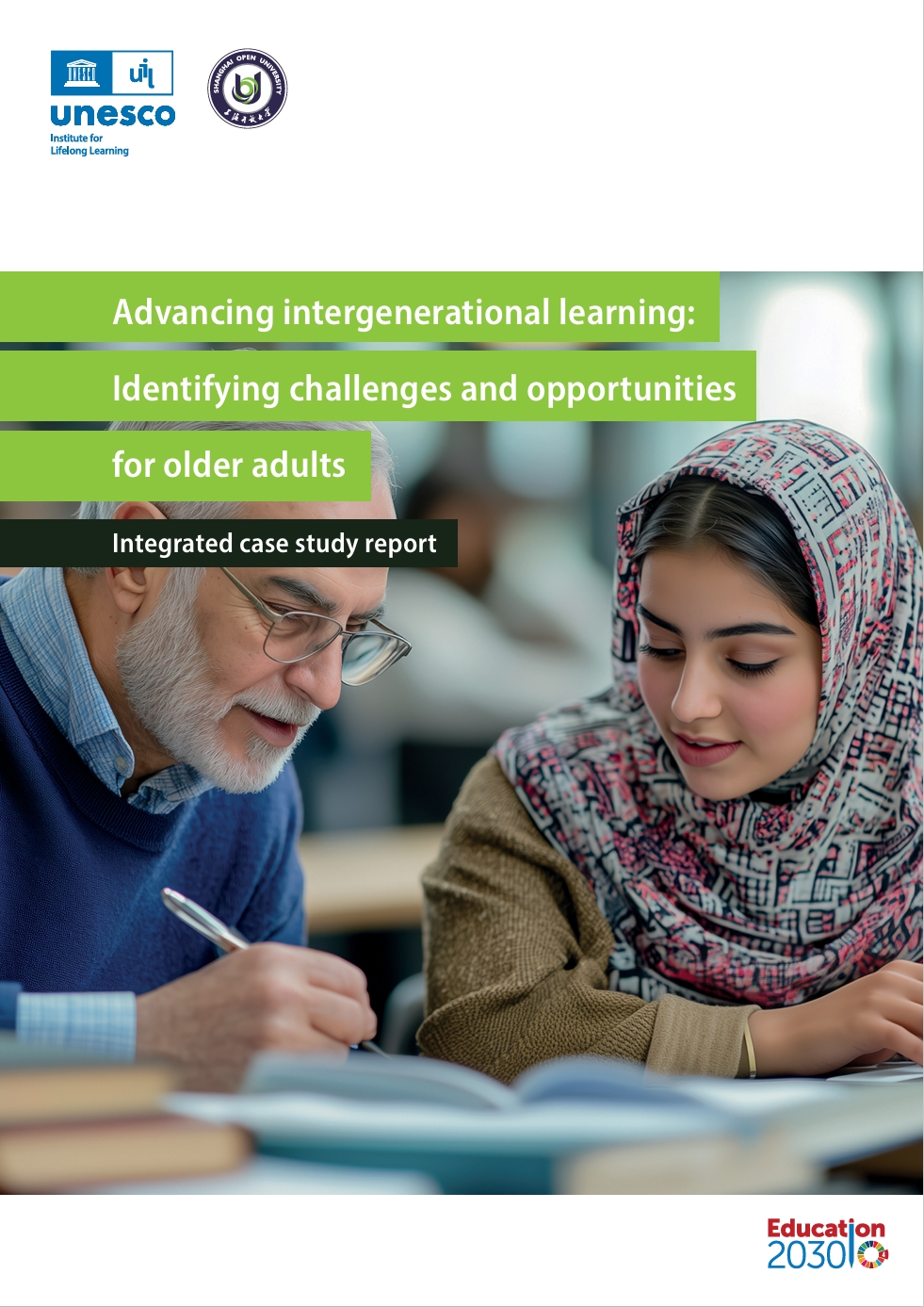 Advancing Intergenerational Learning: Identifying Challenges and Opportunities for Older Adults; Integrated Case Study Report