
What Shall We Tell the Children? International Perspectives on School History Textbooks
- Level of education
- Primary educationSecondary education
The pages of this book illustrate that as instruments of socialization and sites of ideological discourse textbooks are powerful artefacts for introducing young people to a specific historical, cultural and socioeconomic order. Crucially, exploring the social construction of school textbooks and the messages they impart provides an important context from within which to critically investigate the dynamics underlying the cultural politics of education and the social movements that form it and which are formed by it. The school curriculum is essentially the knowledge system of a society, incorporating its values and its dominant ideology. The curriculum is not "our knowledge" born of a broad hegemonic consensus, rather it is a battleground on which cultural authority and the right to define what is labelled legitimate knowledge are fought over. As each chapter in this book illustrates, curriculum as theory and practice has never been, and can never be, divorced from the ethical, economic, political and cultural conflicts of society, which have such a deep impact upon it. Individuals cannot escape the clear implication that questions about what knowledge is of most worth, and about how it should be organized and taught, are problematic, contentious and very serious. (By the author)
Related Resources
-
 IIEP-UNESCO 12th Medium-Term Strategy: 2026–2029
 -
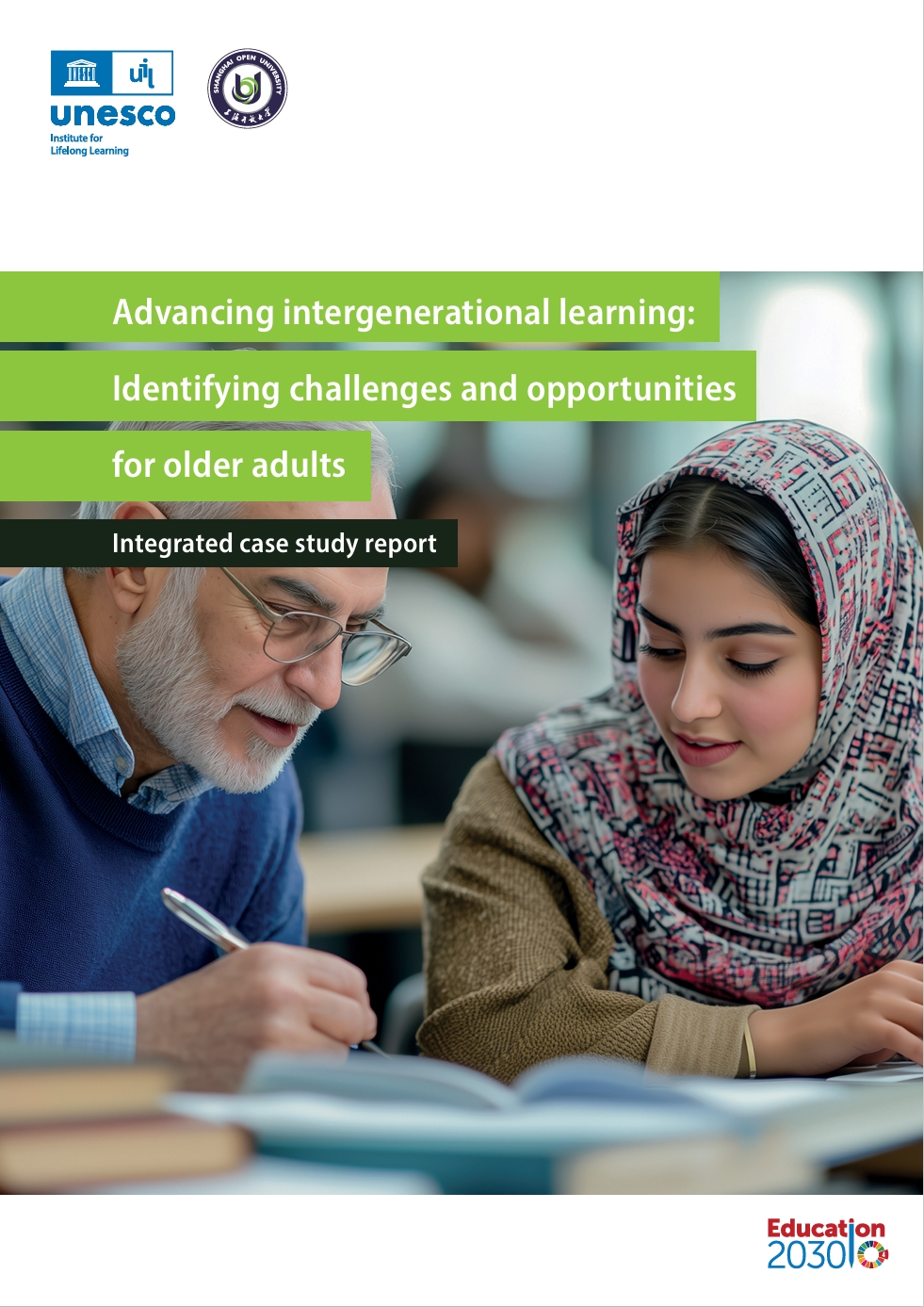 Advancing Intergenerational Learning: Identifying Challenges and Opportunities for Older Adults; Integrated Case Study Report
 -
 Digital Empowerment for Lifelong Learning and Transformative Andragogy (DELTA) for Adult Educators: Introduction to the DELTA Framework and Resources
 -
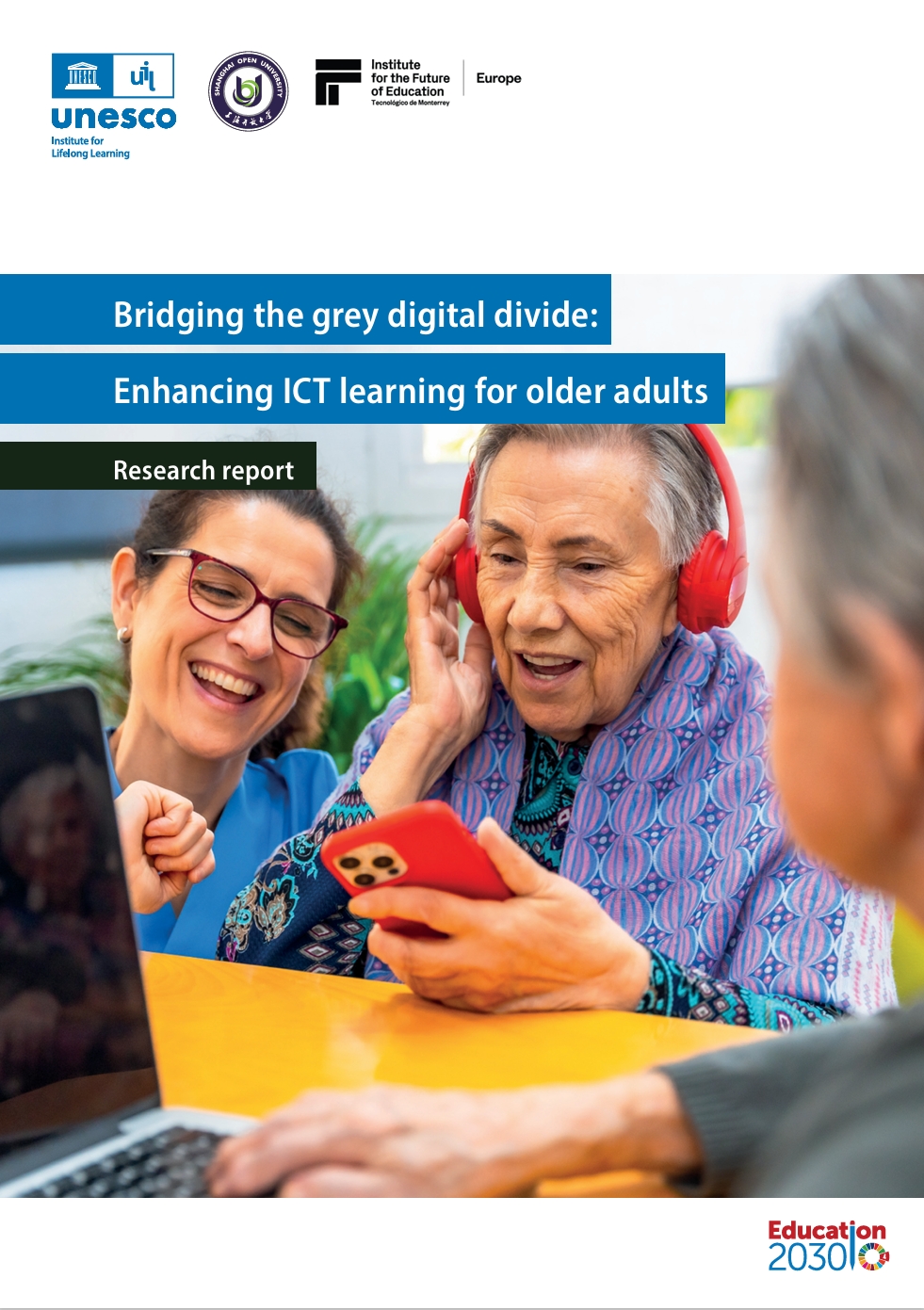 Bridging the Grey Digital Divide: Enhancing ICT Learning for Older Adults; Research Report