
Historical Understanding - Beyond the Past and into the Present
- Level of education
- Primary educationSecondary education
In this chapter Boix-Mansilla looks at the possibilities for using history to understand present-day issues. Partially funded through the Facing History and Ourselves organization, this study looked at whether learning about the Holocaust provided a more contextualized understanding of the 1994 genocide in Rwanda. This research found that students often used an ineffectual I-know-this-history-so-I-know-that-experience reasoning when making links between the two genocides, even though historical comparisons rely on both similarities and differences in analysis. Boix-Mansilla emphasizes that directed instruction on the process of historical comparison can remedy the weak reasoning demonstrated in the study and cites the literature on the strengths of using history to speak about present events to support this. (By the author)
Related Resources
-
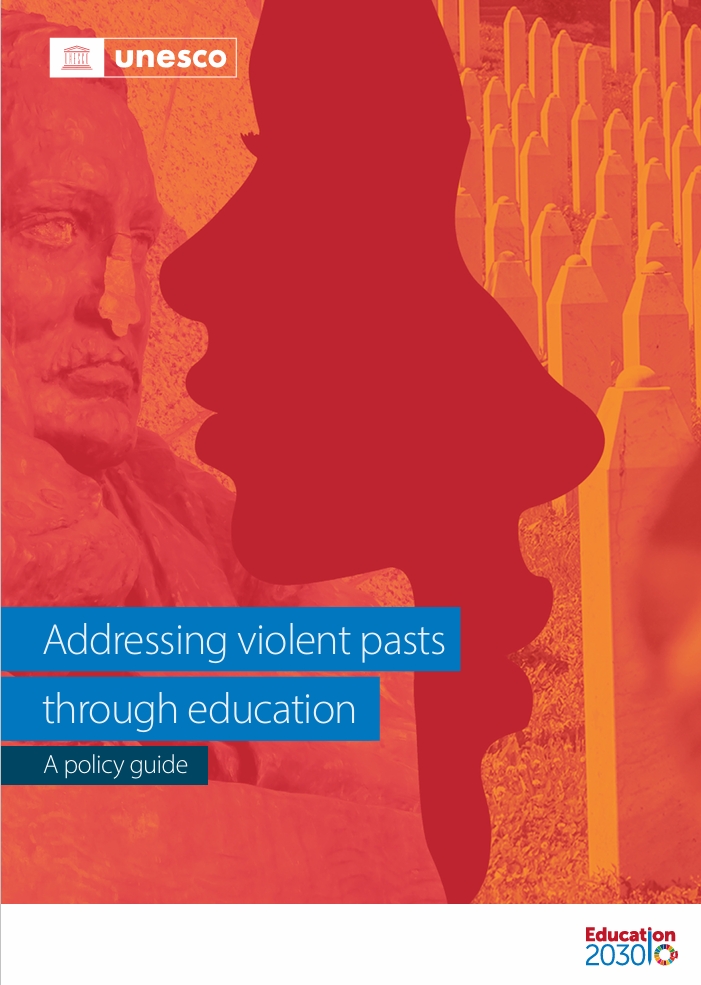 Addressing Violent Pasts Through Education: A Policy Guide
 -
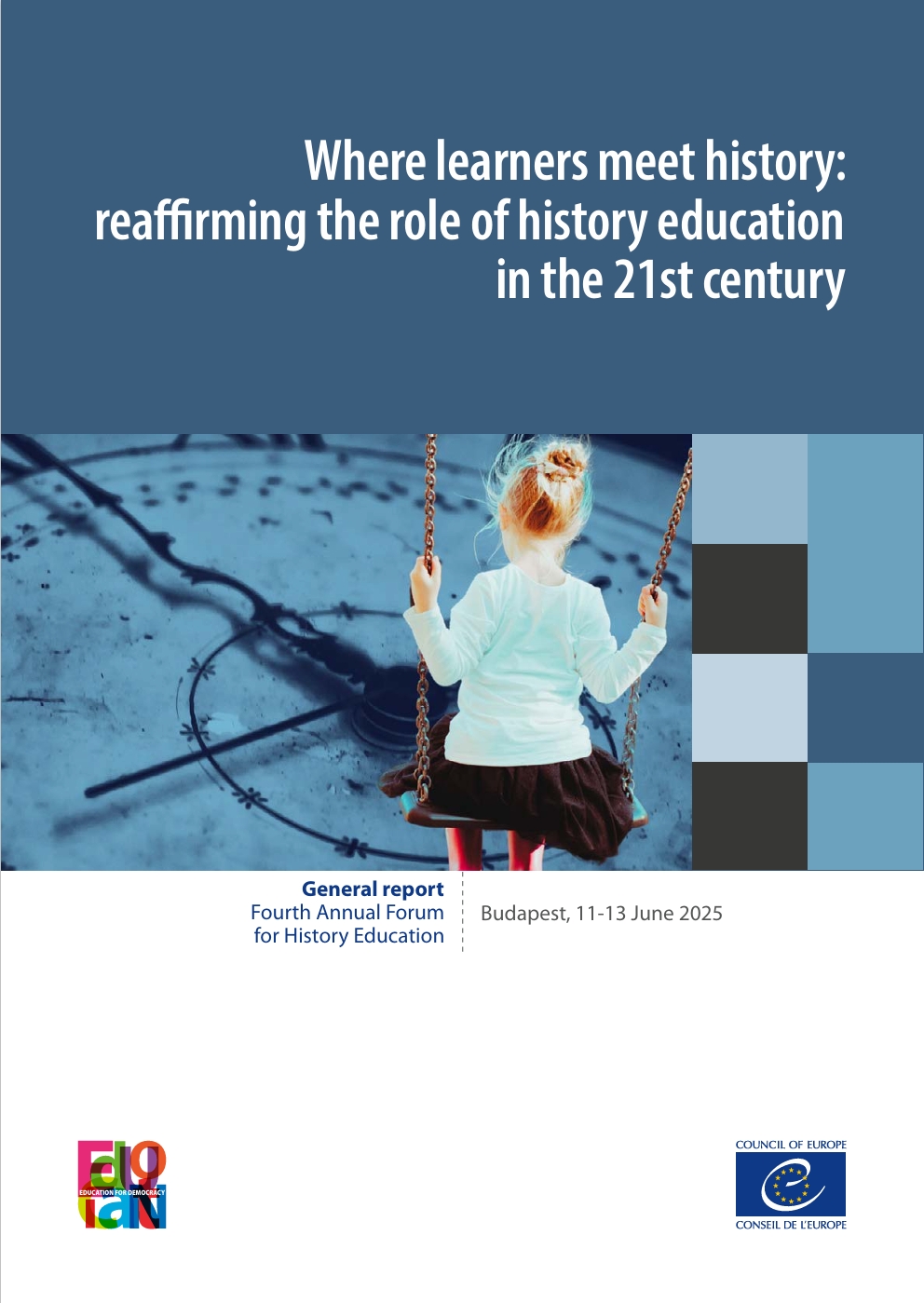 Where Learners Meet History: Reaffirming the Role of History Education in the 21st Century
 -
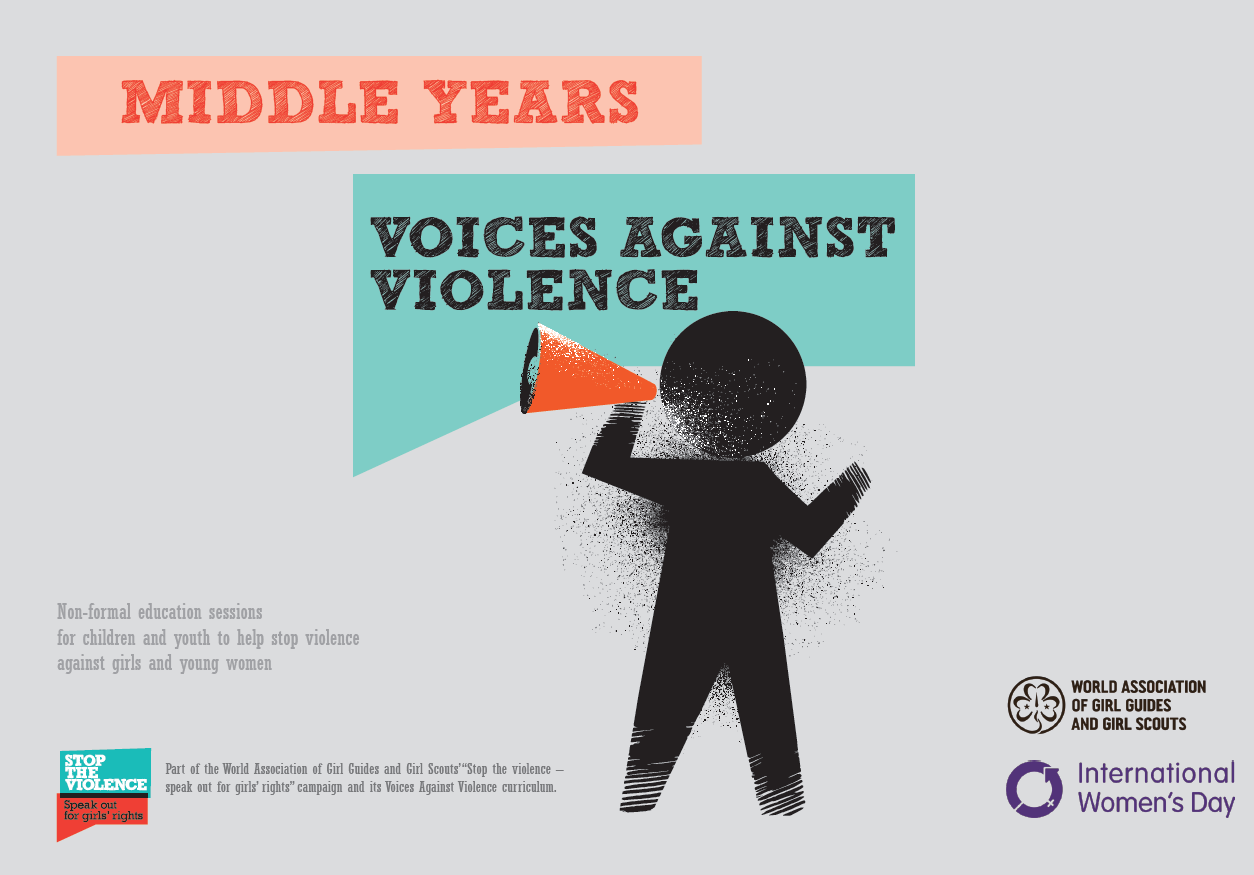 Voices Against Violence: Middle Years
 -
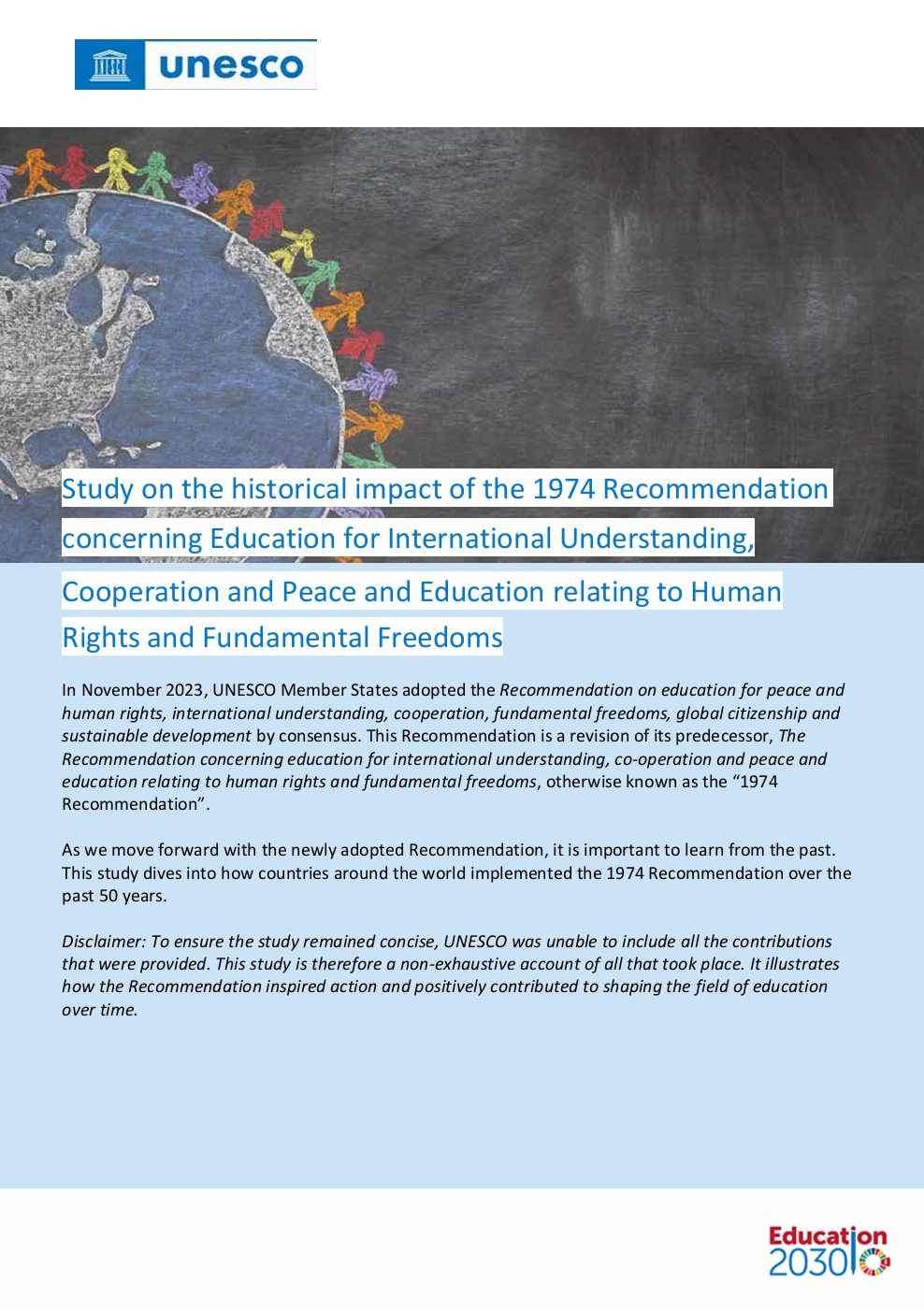 Study on the Historical Impact of the 1974 Recommendation concerning Education for International Understanding, Cooperation and Peace and Education relating to Human Rights and Fundamental Freedoms