
“What Happened to Their Pets?”: Third Graders Encounter the Holocaust
- Keyword
- HolocaustCurriculum
- Level of education
- Primary educationSecondary education
- eBook URL
- [E-BOOK]
Though widely believed to contain moral lessons of import for audiences of all ages, the Holocaust is often considered too complex, too appalling, too impenetrable, or too emotionally disturbing a subject to be taught to young children, even if taught only in its most “preparatory version,” to use Jerome Bruner’s famous phrasing. The subject matter, after all, deals at its core with human brutality, barbarous indifference, and industrialized mass murder. Nonetheless, a burgeoning market in materials designed to expose young children to the Holocaust implies that students are learning about the topic in earlier and earlier grades, a phenomenon that may be referred to as “curricular creep.” Such a trend raises the question of whether students should be exposed, purposefully and formally, to the horrors of the Holocaust, or, conversely, whether curricular creep should be somehow corralled. Although authors have weighed in on the ethics of Holocaust education, its history, practices, and materials, few have discussed its rightful place in the elementary school curriculum. Fewer still have empirically examined what the Holocaust looks like when taught to a young audience. (By the author)
Related Resources
-
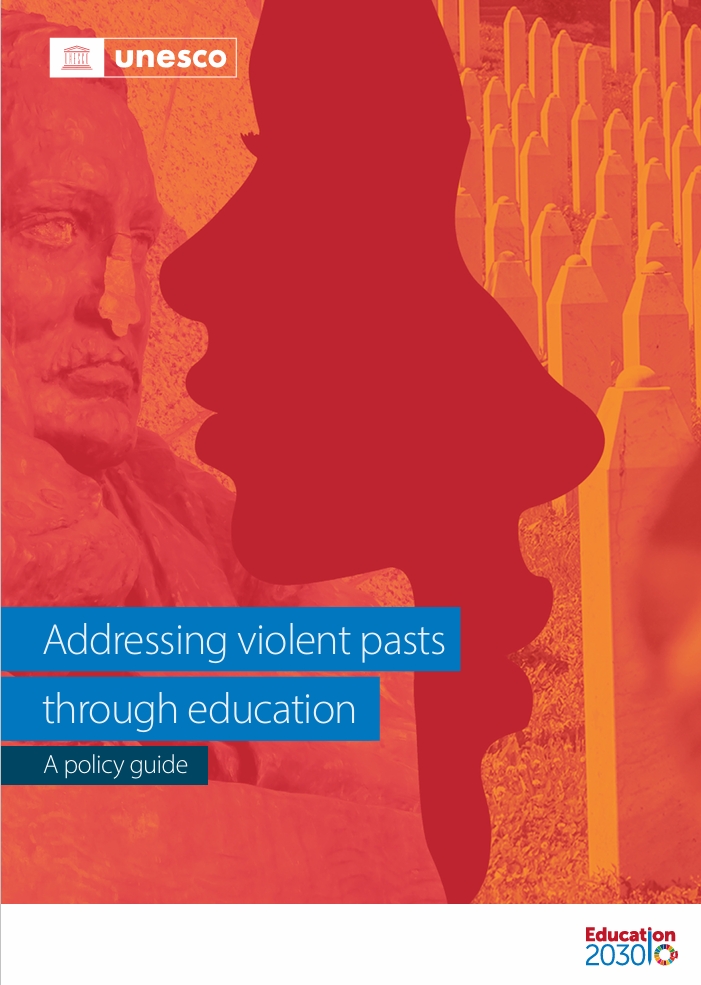 Addressing Violent Pasts Through Education: A Policy Guide
 -
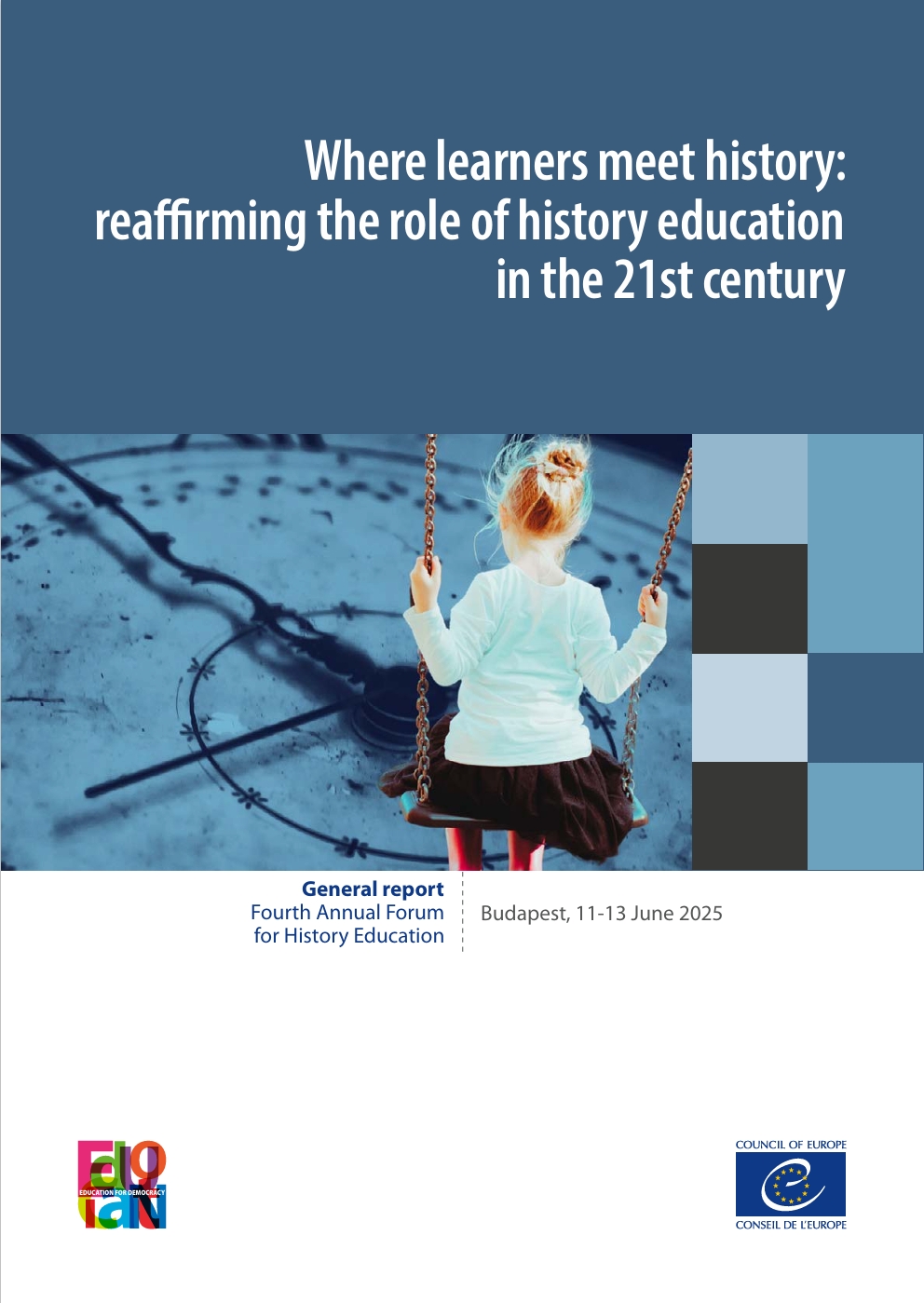 Where Learners Meet History: Reaffirming the Role of History Education in the 21st Century
 -
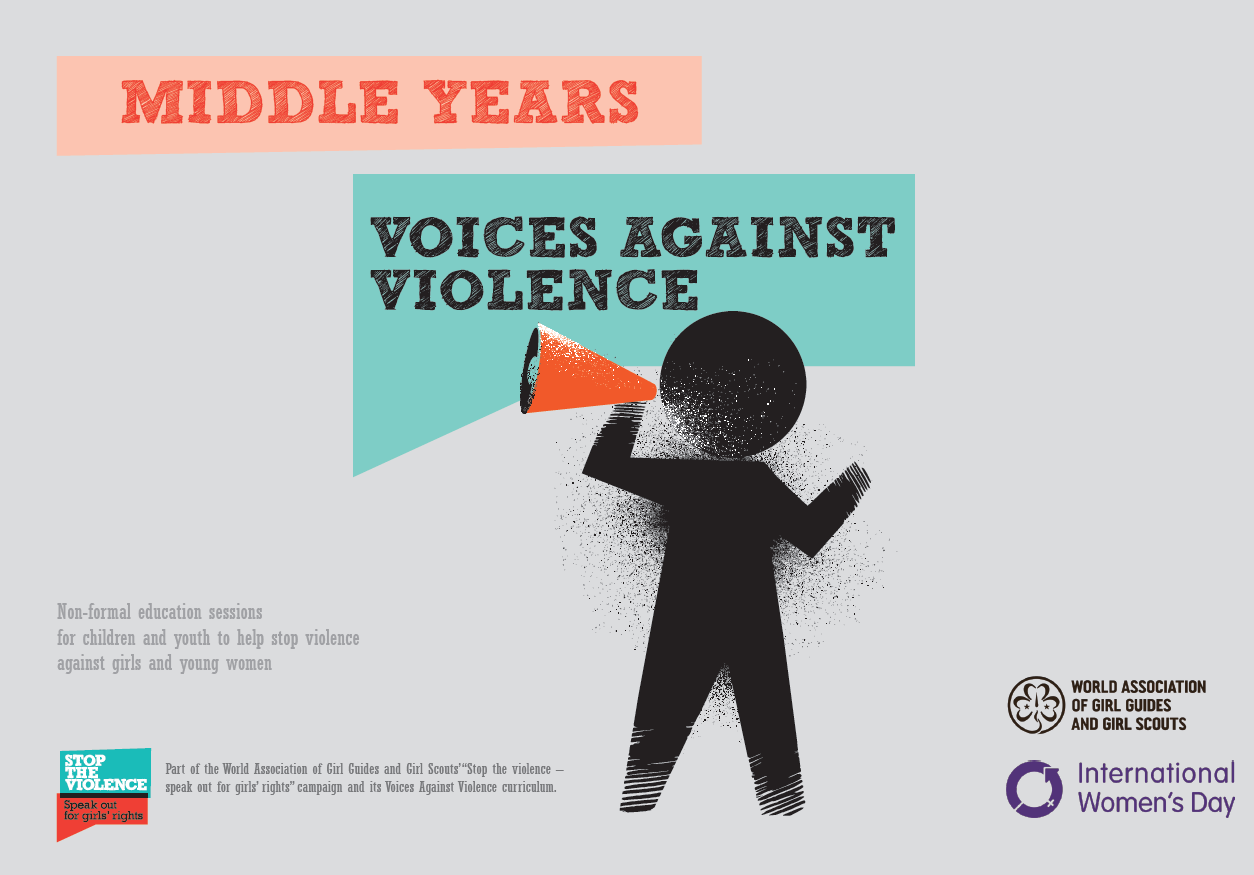 Voices Against Violence: Middle Years
 -
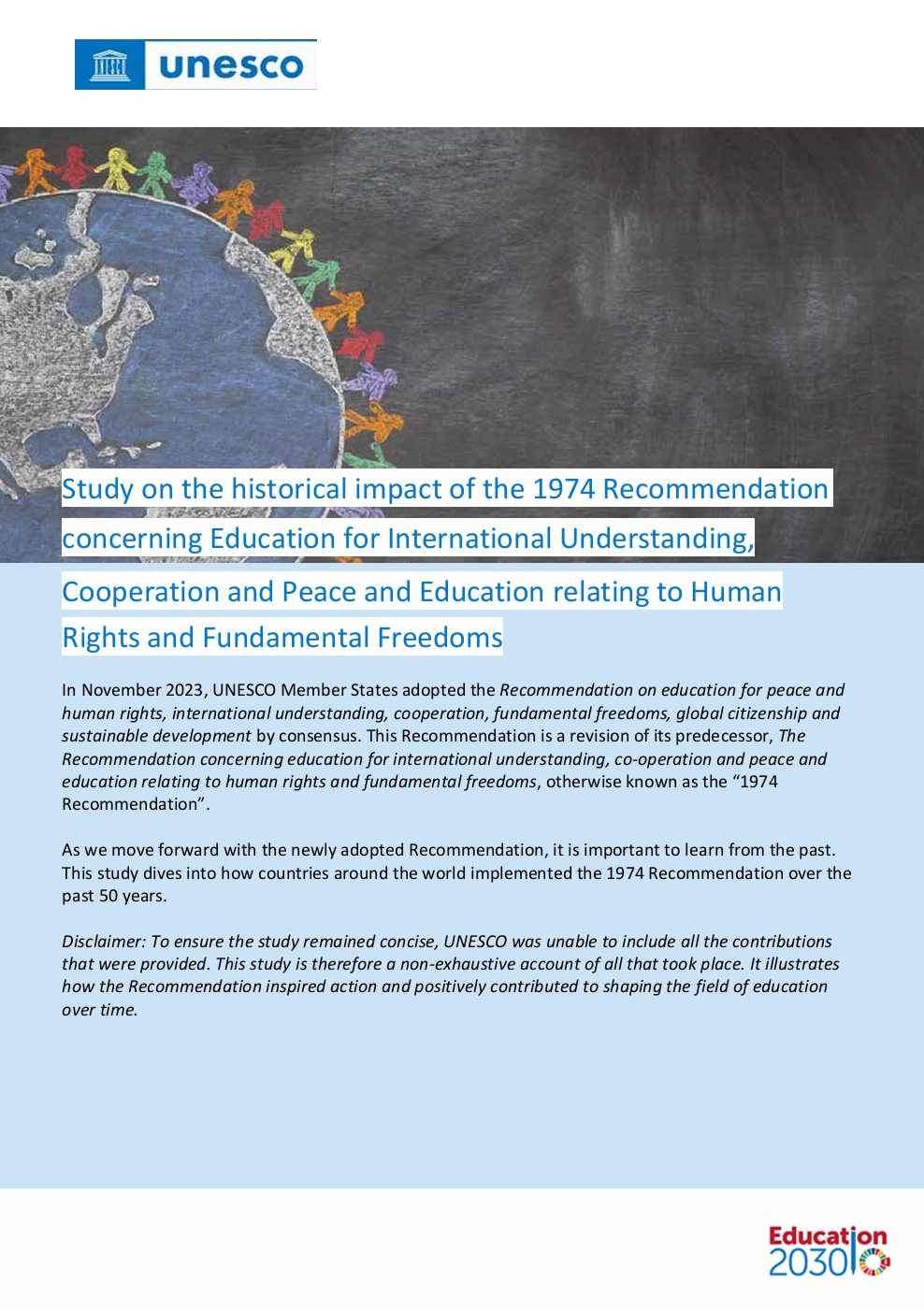 Study on the Historical Impact of the 1974 Recommendation concerning Education for International Understanding, Cooperation and Peace and Education relating to Human Rights and Fundamental Freedoms