
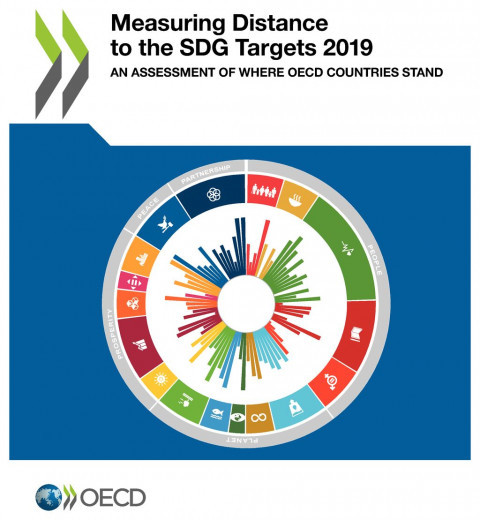
Measuring Distance to the SDG Targets 2019 - An Assessment of Where OECD Countries Stand
- Corporate Author
- Organisation for Economic Co-operation and Development (OECD)
- ISBN
- ISBN 978-92-64-48094-0
- Collation
- 146 p.
- Resource Language
- English
- Year of publication
- 2019
- Resource Type
- Research papers / journal articles
- Level of education
- Early childhood care and educationPrimary educationSecondary educationHigher educationLifelong learningTechnical and vocational education and trainingNon-formal education
- Region
- Global
- Place of publication
- Paris
The Sustainable Development Goals (SDGs) set a broad and ambitious programme for the world to achieve by 2030. With 17 Goals, underpinned by 169 Targets, the complex and integrated nature of the 2030 Agenda presents national governments with huge challenges for implementation. To assist countries, the OECD has developed a unique methodology allowing comparison of progress across SDG goals and targets. Based on the UN Global List of 244 indicators, this study evaluates the distance that OECD countries need to travel to meet SDG targets for which data is currently available. This 2019 edition of the study presents the latest results for OECD countries, both on average and individually, as well as new exploratory approaches to assessing progress over time and transboundary aspects of the SDGs. By providing a high-level overview of countries’ strengths and weaknesses in performance across the SDGs, this study aims to support member countries in navigating the SDGs and in setting their own priorities for action within the broad 2030 Agenda.
Related Resources
-
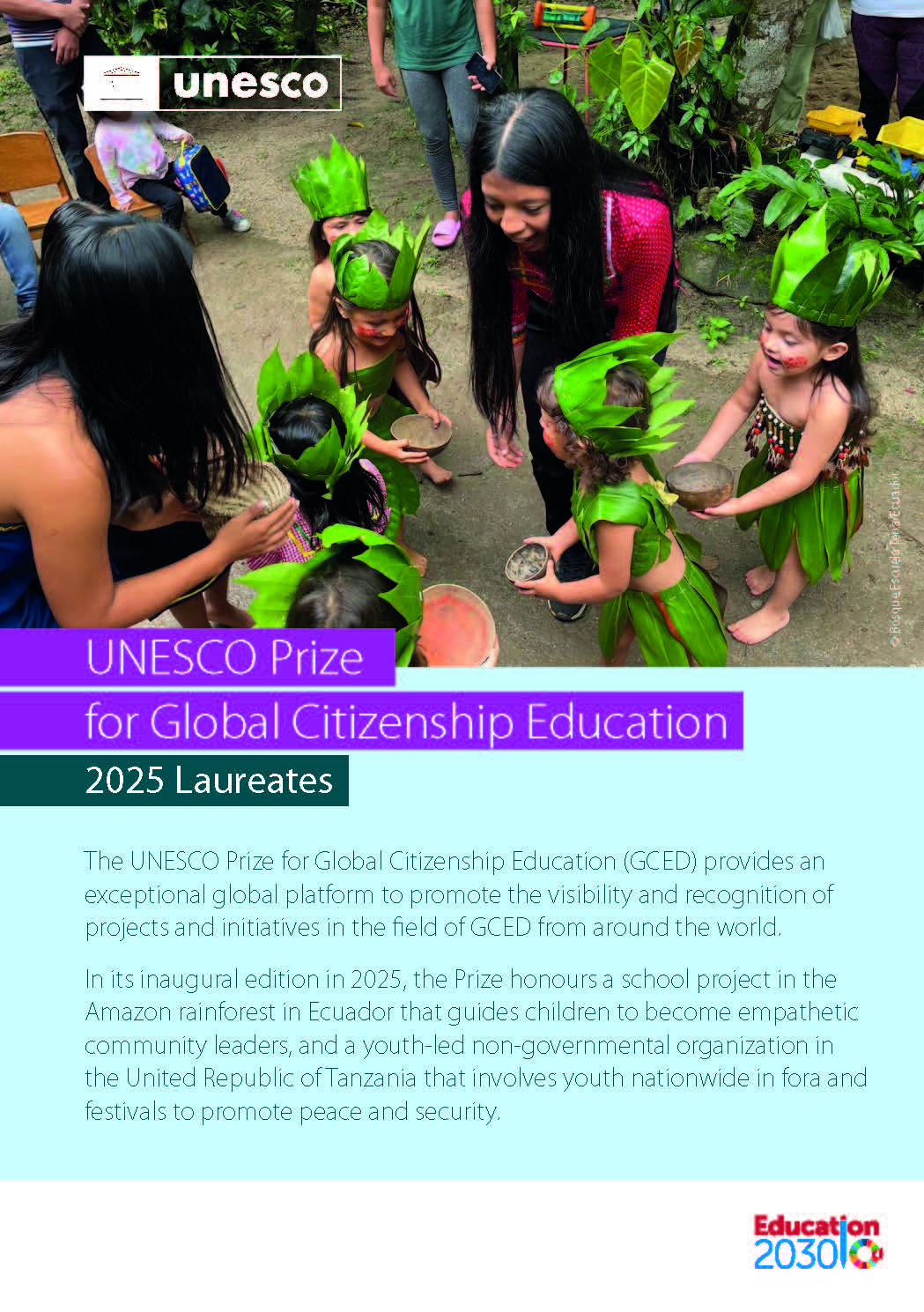 UNESCO Prize for Global Citizenship Education 2025 Laureates
 -
 Confronting Inequality through GCED: Toward Justice, Inclusion, and Transformation (SangSaeng; No.65, 2025)
 -
 ACER-APCEIU Global Citizenship Education Monitoring Toolkit: For Teachers, Schools and System Leaders
 -
 Recommendation on Education for Peace, Human Rights and Sustainable Development: An Implementation Guide