
Global citizenship in primary and secondary education in the Netherlands
- Author
- Lette Hogeling
- Corporate Author
- National Committee for International Cooperation and Sustainable Development (NCDO)
- ISBN
- ISBN 978-90-74612-26-5
- Collation
- 50p
- Resource Language
- English
- Year of publication
- 2012
- Topic
- Civic / Citizenship / DemocracyDiversity / Cultural literacy / InclusivenessHuman rightsGlobalisation and social justice / International understandingPeace / Culture of peaceSustainable development / SustainabilityTransformative initiatives / Transformative pedagogies
- Resource Type
- Research papers / journal articles
- Region
- Europe and North America
- Place of publication
- Amsterdam
- eBook URL
- [E-BOOK]
NCDO has examined the opinions and methods of teachers and directors with regard to global citizenship, as well as the obstacles and opportunities they experience around global citizenship in education. More than 1,500 teachers and almost 300 directors have participated in the research. A large majority of the teachers in primary and secondary education think that global citizenship is an important subject for Dutch education. Also, the majority of the teachers are of the opinion that it is important that the lessons link up with current events. Nevertheless, only a minority of the teachers in primary and secondary education believe that global citizenship should be a compulsory part of the curriculum. It is mainly teachers of geography, economics, cultural and social subjects who are of the opinion that global citizenship is an important theme.
Related Resources
-
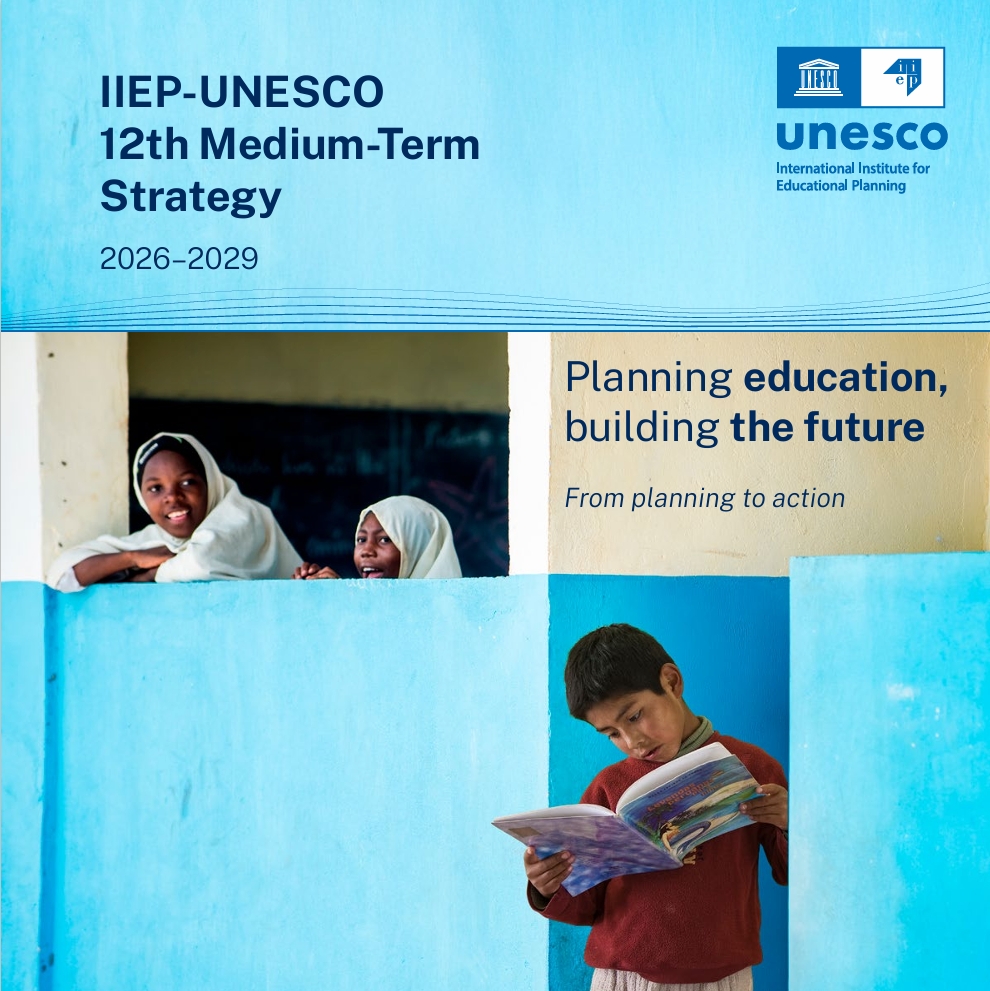 IIEP-UNESCO 12th Medium-Term Strategy: 2026–2029
 -
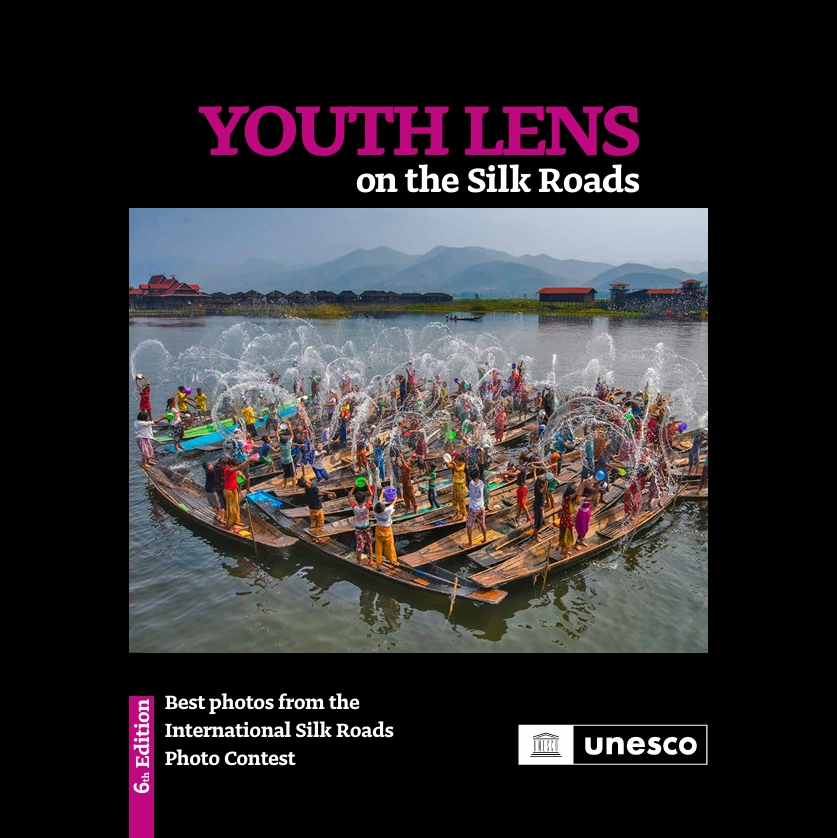 Youth Lens on the Silk Roads: Best Photos from the International Silk Roads Photo Contest; 6th Edition
 -
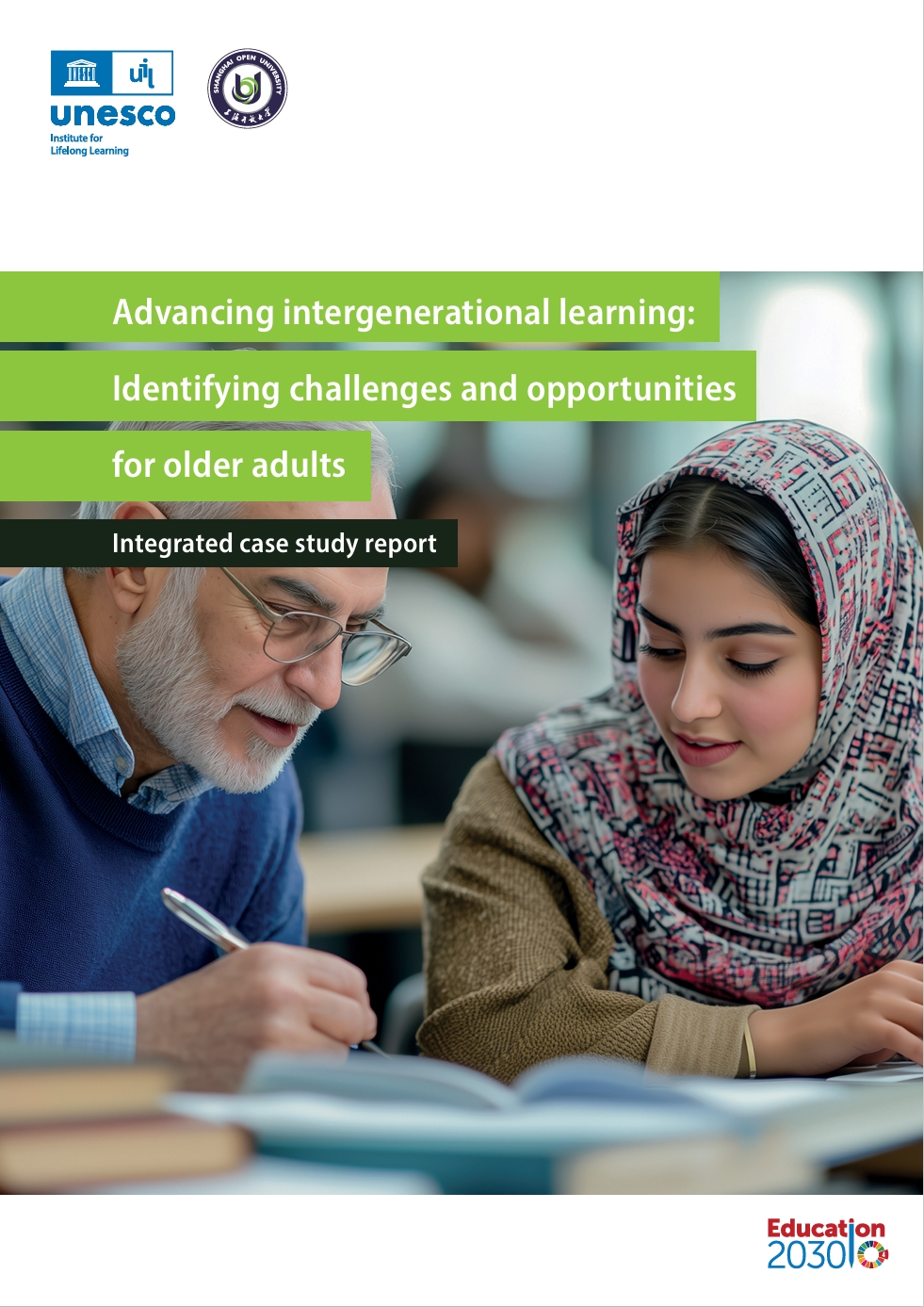 Advancing Intergenerational Learning: Identifying Challenges and Opportunities for Older Adults; Integrated Case Study Report
 -
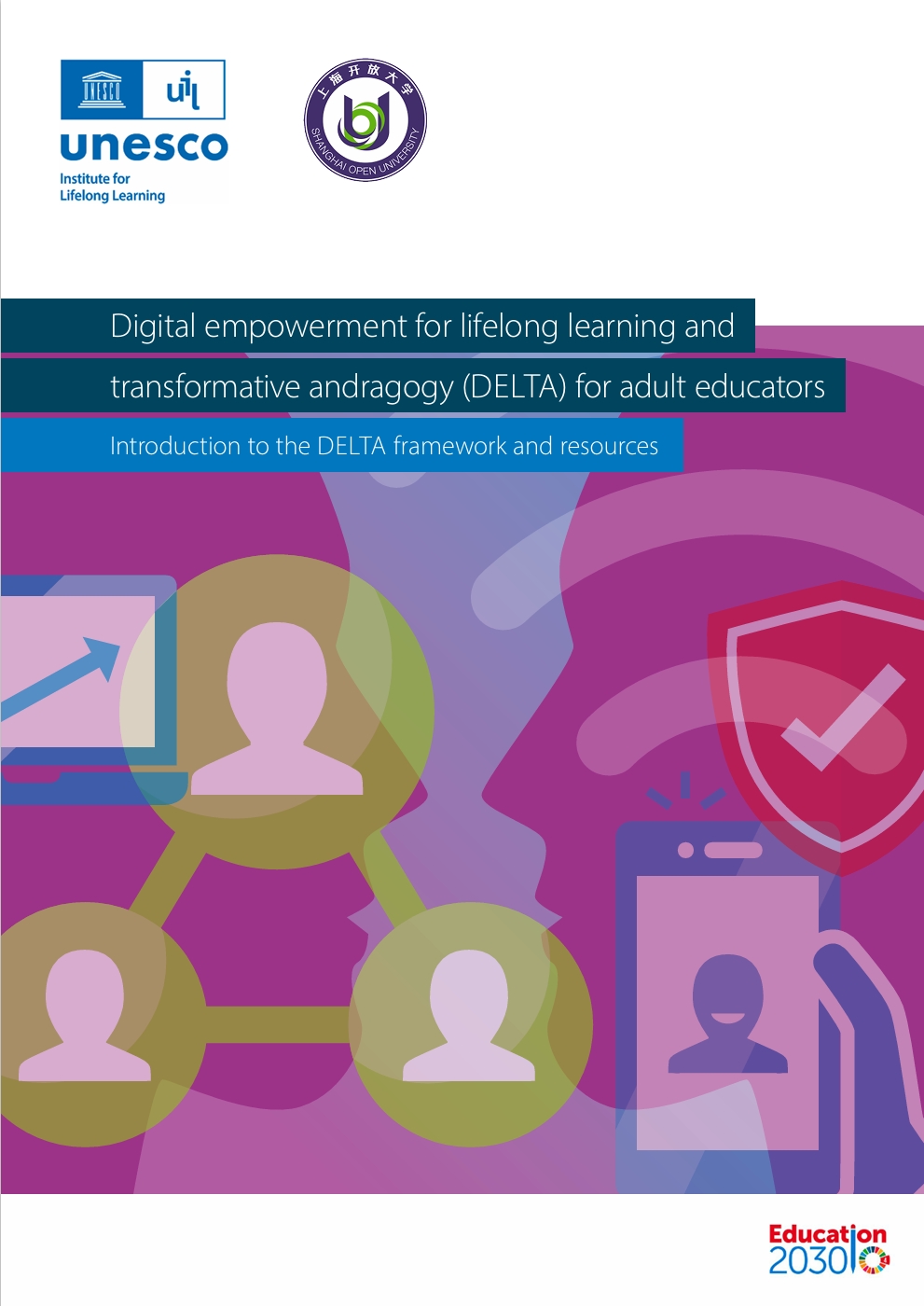 Digital Empowerment for Lifelong Learning and Transformative Andragogy (DELTA) for Adult Educators: Introduction to the DELTA Framework and Resources