
Education for peace: planning for curriculum reform; guidelines for integrating an education for peace curriculum into education sector plans and policies
- Corporate Author
- UNESCOUNESCO International Bureau of Education (IBE)UNESCO International Institute for Educational Planning (IIEP)
- Collation
- 77 p.
- Resource Language
- English
- Year of publication
- 2015
- Topic
- Civic / Citizenship / DemocracyDiversity / Cultural literacy / InclusivenessGlobalisation and social justice / International understandingPeace / Culture of peaceTransformative initiatives / Transformative pedagogies
- Region
- Global
- Place of publication
- Paris
- eBook URL
- [E-BOOK]
This Resource and Development Capacity Package was developed based on the belief that, as part of a wider social, economic and political effort, education can play a significant role in a country’s peace-building efforts. Its purpose is to assist Member States in integrating or strengthening peace education programs in their national education systems to promote peace and prevent future conflict. UNESCO, IBE, and IIEP developed this resource within the framework of UNESCO’s Intersectoral Project, Promoting a culture of peace and nonviolence in Africa through education for peace and conflict prevention. The Package contains Technical Guidelines and Capacity Development training modules on policy, program design and curriculum planning to integrate peace and conflict prevention into all aspects of the education system. It is meant for curriculum developers and planners from Africa. The development of the package received the support of the UNESCO Addis-Ababa Office, which assisted in the testing of materials in Addis-Ababa (Ethiopia) and Yaounde (Cameroon).
This resource will furthermore help to ensure that curricula, teaching and learning resources and teacher education are in line with the post-2015 vision of education for holistic development. This vision reconceptualises education in terms of global citizenship and responsibility by focusing on inclusion and social cohesion that is global in orientation. In this regard, Global Citizenship Education (GCED) seeks to empower learners with knowledge, skills, values and attitudes that are needed to forge more just and inclusive societies, capable of resolving existing conflicts and emerging global challenges.
Related Resources
-
 IIEP-UNESCO 12th Medium-Term Strategy: 2026–2029
 -
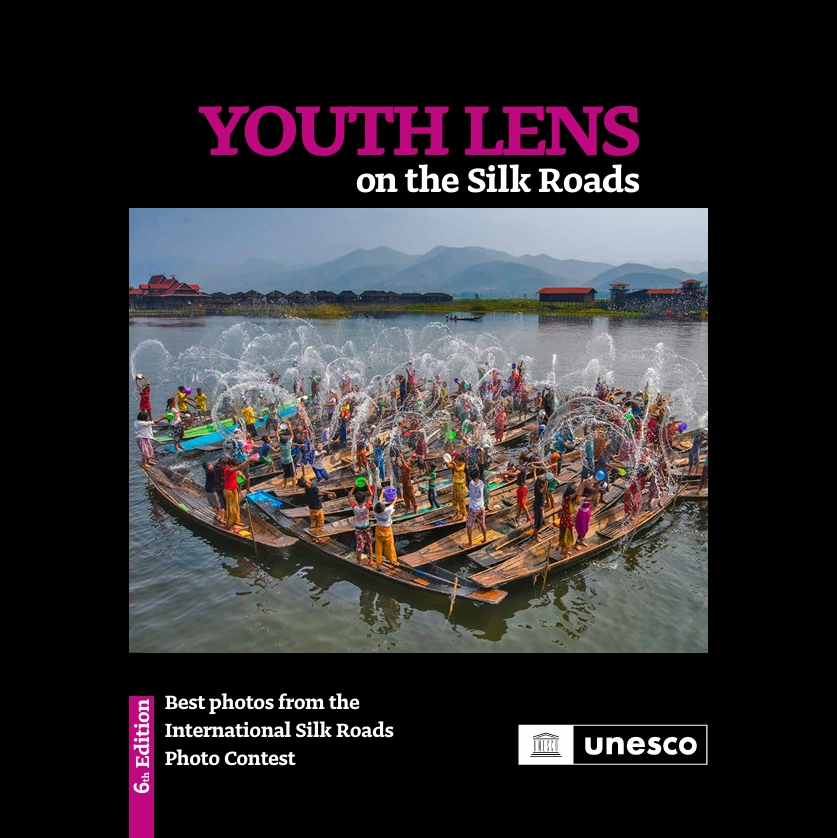 Youth Lens on the Silk Roads: Best Photos from the International Silk Roads Photo Contest; 6th Edition
 -
 Advancing Intergenerational Learning: Identifying Challenges and Opportunities for Older Adults; Integrated Case Study Report
 -
 Digital Empowerment for Lifelong Learning and Transformative Andragogy (DELTA) for Adult Educators: Introduction to the DELTA Framework and Resources