
The New educational pact: education, competitiveness and citizenship in modern society
- Author
- Juan Carlos Tedesco
- Corporate Author
- UNESCO International Bureau of Education (IBE)
- ISBN
- ISBN 978-92-3-185006-6
- Collation
- 114p
- Resource Language
- English
- Year of publication
- 1997
- Keyword
- Educational reform
- Resource Type
- Research papers / journal articles
- Region
- Global
- Place of publication
- Geneva
- eBook URL
- [E-BOOK]
As things are, individuals are just not sure where exactly they stand. The identity of the progressive educational movement and thought is in a state of crisis, and the simple answers of the past are no longer sufficient to define an educational policy which responds to the objectives of democracy and equity in the distribution of knowledge.
This book is therefore a response to a personal need, which may be shared by others, namely the need to reflect on the role of education in this new social scenario laden with uncertainty and to try and find an alternative, both to the social disintegration derived from neo-liberal tendencies and to the totalitarian unity advocated in fundamentalist, anti-modern theories. The following script therefore moves between the past and the future. The look back at the past does not claim to be a historical analysis. It does try, on the other hand, to provide a useful instrument for a better understanding of what is changing. The glimpse into the future is not intended either to forecast what will happen, but to indicate which way we should be trying to guide our actions. As a result, the book is eclectic in more than one sense. From a theoretical point of view, it combines different disciplinary approaches : history, sociology, pedagogy, psychology and philosophy. From a political point of view, it adopts positions, but also allows for doubts and queries. Excluding doubt is a way of encouraging the predominance of dichotomous views, which promise us either a glorious destiny or total disaster. In this sense, the book tries not to fall into the trap of having to choose between pessimism and optimism and, perhaps excessively, assumes a conscious voluntarism based on a trust in the learning ability of human beings.
Related Resources
-
 IIEP-UNESCO 12th Medium-Term Strategy: 2026–2029
 -
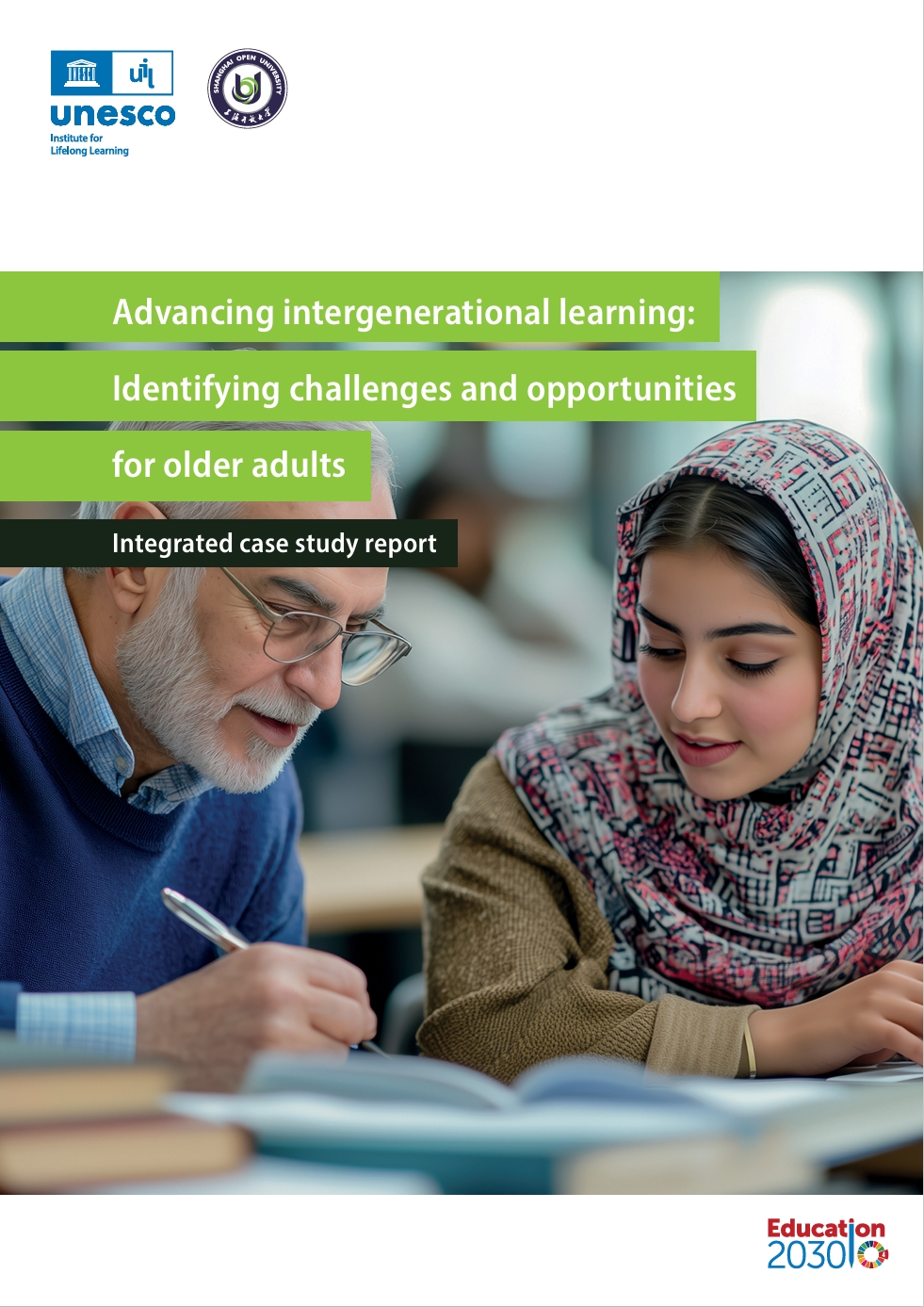 Advancing Intergenerational Learning: Identifying Challenges and Opportunities for Older Adults; Integrated Case Study Report
 -
 Digital Empowerment for Lifelong Learning and Transformative Andragogy (DELTA) for Adult Educators: Introduction to the DELTA Framework and Resources
 -
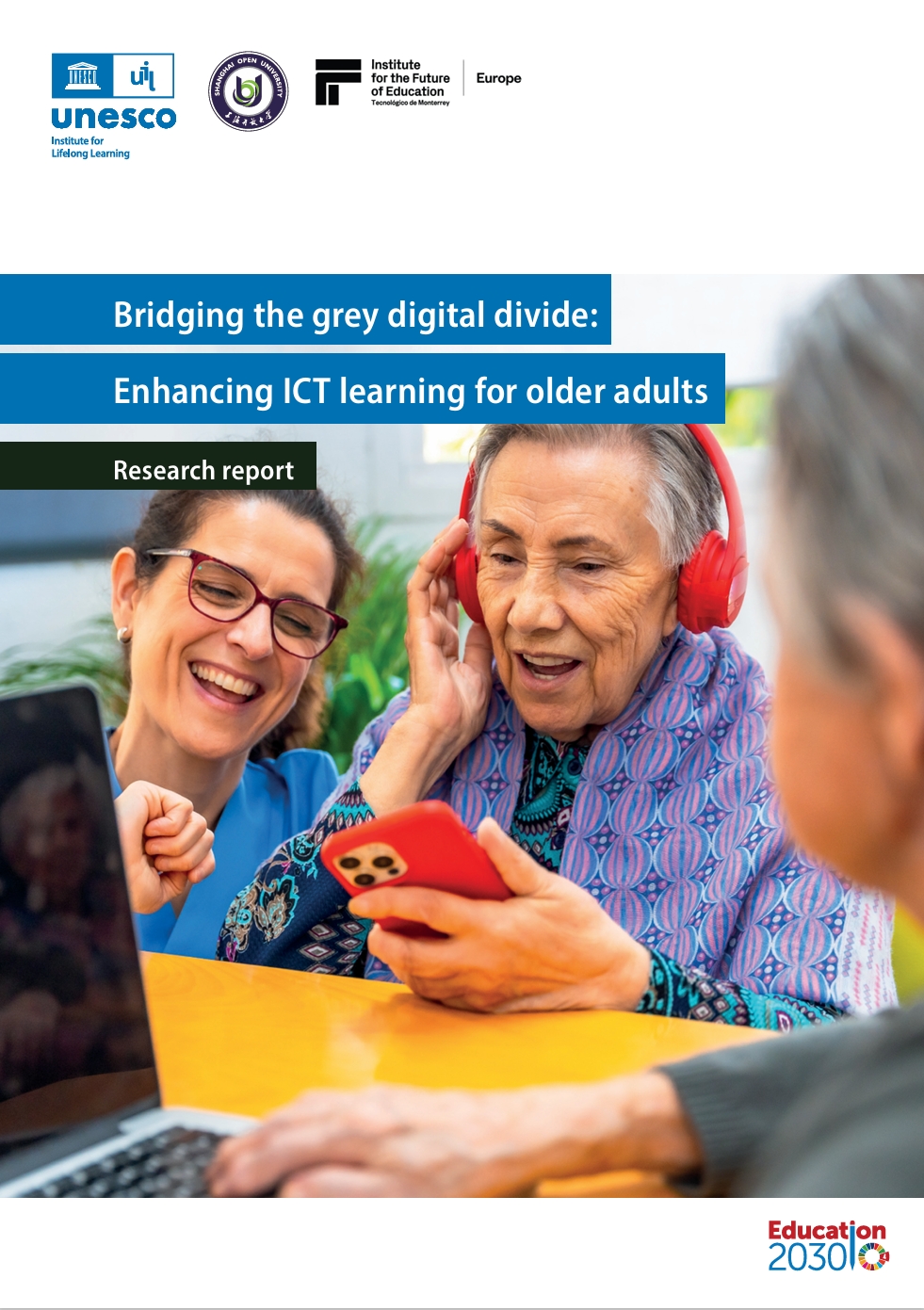 Bridging the Grey Digital Divide: Enhancing ICT Learning for Older Adults; Research Report