
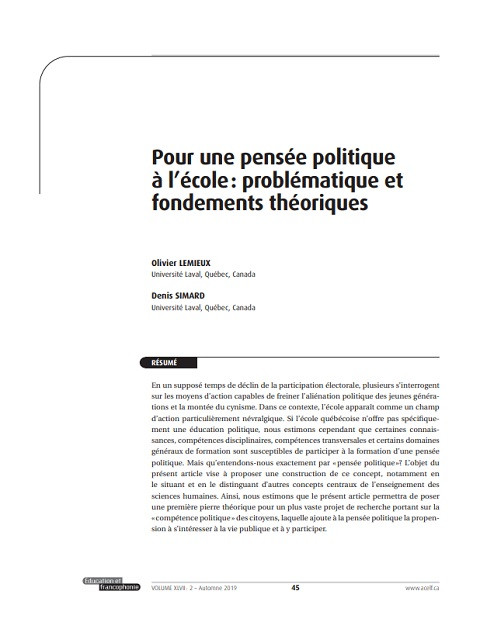
Political Thought at School: Problem and Theoretical Foundations
- Author
- Olivier LemieuxDenis Simard
- Corporate Author
- Éducation et francophonie
- ISBN
- ISSN 0849-1089 (print); ISSN 1916-8659 (digital)
- Collation
- p. 45-65
- Resource Language
- French
- Year of publication
- 2019
- Resource Type
- Research papers / journal articles
- Level of education
- Secondary educationHigher education
- Region
- Europe and North America
- Place of publication
- Québec
At a time when voter turnout is apparently declining, many are wondering what actions to take to curb the political alienation and rise of cynicism among younger generations. In this context, the school seems to be an important nerve centre for action. Although Quebec schools do not specifically offer political education, we believe that some knowledge, subject-specific skills, cross-curricular competencies and general areas of training are likely to contribute to the formation of political thought. But what exactly do we mean by «political thought»? The purpose of this article is to propose a construction of this concept, notably by situating it and distinguishing it from other central concepts of human sciences. We therefore believe that this article will provide a theoretical foundation for a broader research project on citizens’ «political competence», which adds to political thought the tendency to take an interest in and participate in public life.
Related Resources
-
 IIEP-UNESCO 12th Medium-Term Strategy: 2026–2029
 -
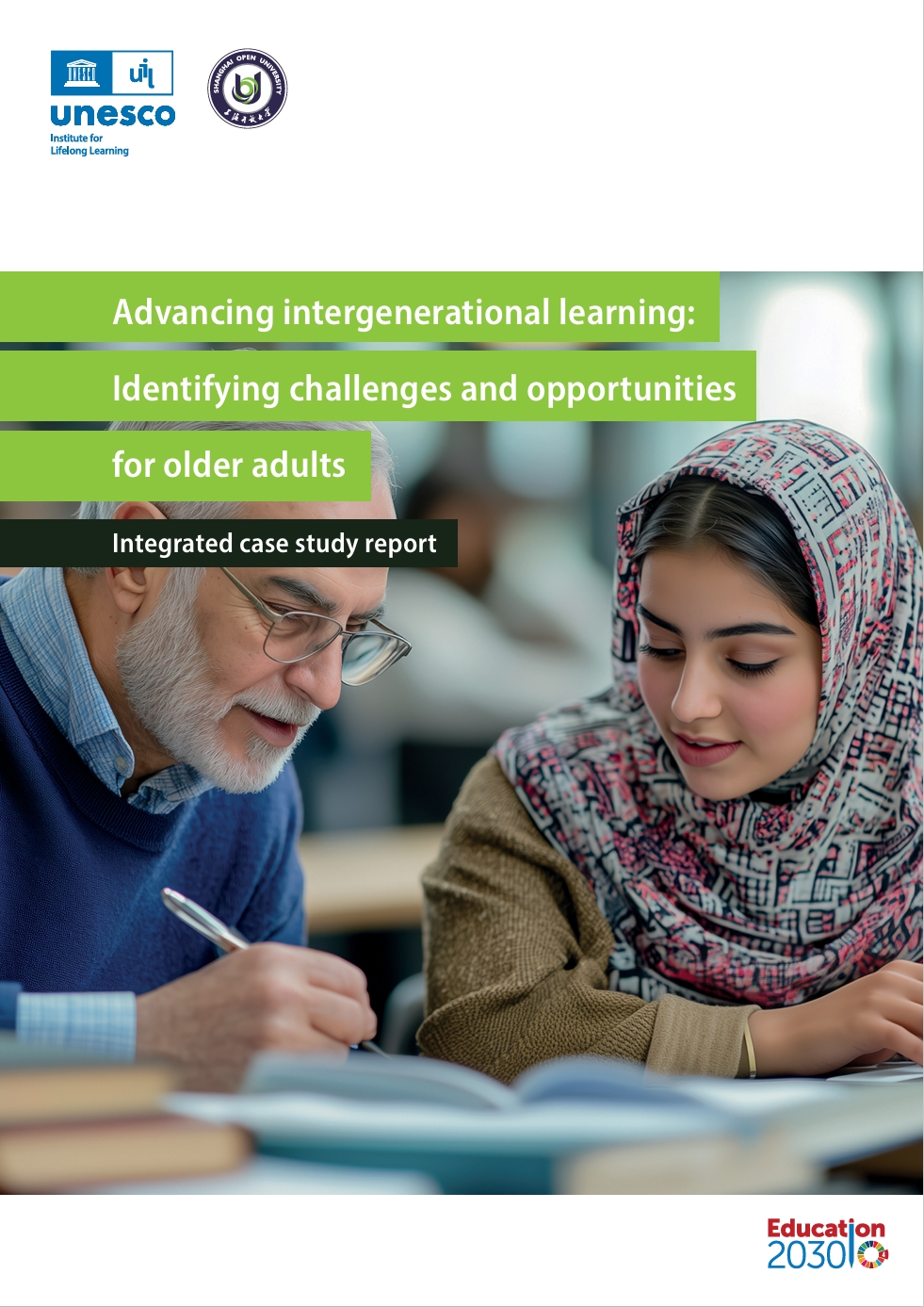 Advancing Intergenerational Learning: Identifying Challenges and Opportunities for Older Adults; Integrated Case Study Report
 -
 Digital Empowerment for Lifelong Learning and Transformative Andragogy (DELTA) for Adult Educators: Introduction to the DELTA Framework and Resources
 -
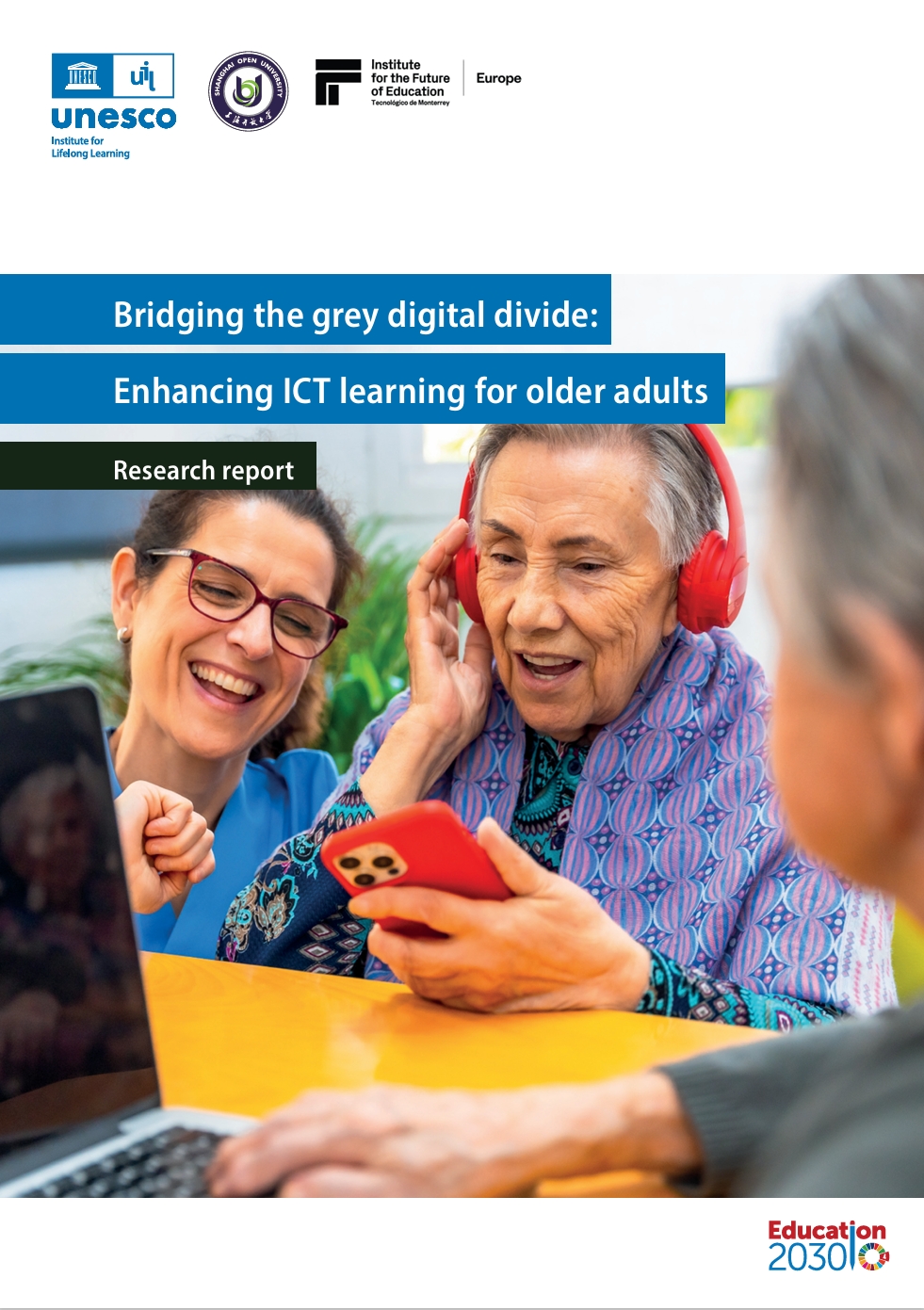 Bridging the Grey Digital Divide: Enhancing ICT Learning for Older Adults; Research Report