
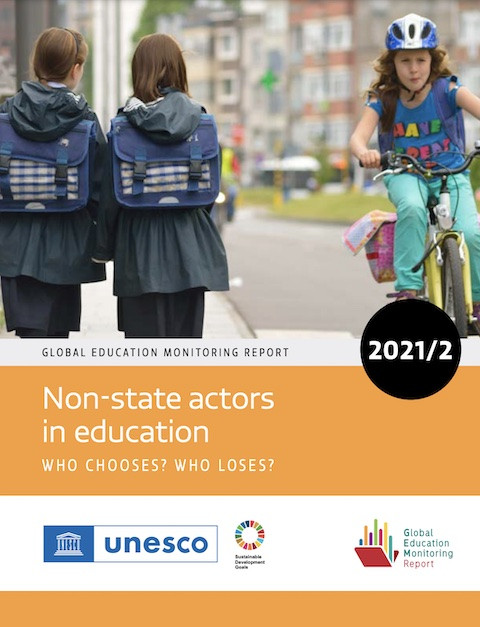
Global Education Monitoring Report 2021/2: Non-state Actors in Education; Who Chooses? Who Loses?
- Autor Corporativo
- Organización de las Naciones Unidas para la Educación, la Ciencia y la Cultura (UNESCO)
- ISBN
- ISBN 978-92-3-100493-3; ISSN 2618-0685
- Colección
- xv, 474 p.
- Idioma del recurso
- ingléschino
- Año de publicación
- 2021
- Tema
- Civiles / Ciudadanía / DemocraciaAlfabetización mediática e informacional / Ciudadanía digitalDerechos humanosGlobalización y justicia social / Comprensión internacionalDiversidad / Alfabetización cultural / InclusiónDesarrollo sostenible / SostenibilidadOtros
- Tipo de Recurso
- Research papers / journal articles
- Nivel de Educación
- Atención y Educación de Primera InfanciaEducación primariaEducación secundariaEducación superiorEducación permanenteEducación y Formación Técnica y ProfesionalEducación no formal
- Región
- Global
- Lugar de publicación
- Paris
Non-state actors’ role extends beyond provision of schooling to interventions at various education levels and influence spheres. Alongside its review of progress towards SDG 4, including emerging evidence on the COVID-19 pandemic’s impact, the 2021/2 Global Education Monitoring Report urges governments to see all institutions, students and teachers as part of a single system. Standards, information, incentives and accountability should help governments protect, respect and fulfill the right to education of all, without turning their eyes away from privilege or exploitation. Publicly funded education does not have to be publicly provided but disparity in education processes, student outcomes and teacher working conditions must be addressed. Efficiency and innovation, rather than being commercial secrets, should be diffused and practiced by all. To that end, transparency and integrity in the public education policy process need to be maintained to block vested interests.
The report’s rallying call – Who chooses? Who loses? – invites policymakers to question relationships with non-state actors in terms of fundamental choices: between equity and freedom of choice; between encouraging initiative and setting standards; between groups of varying means and needs; between immediate commitments under SDG 4 and those to be progressively realized (e.g. post-secondary education); and between education and other social sectors.
Recursos Relacionados
-
 IIEP-UNESCO 12th Medium-Term Strategy: 2026–2029
 -
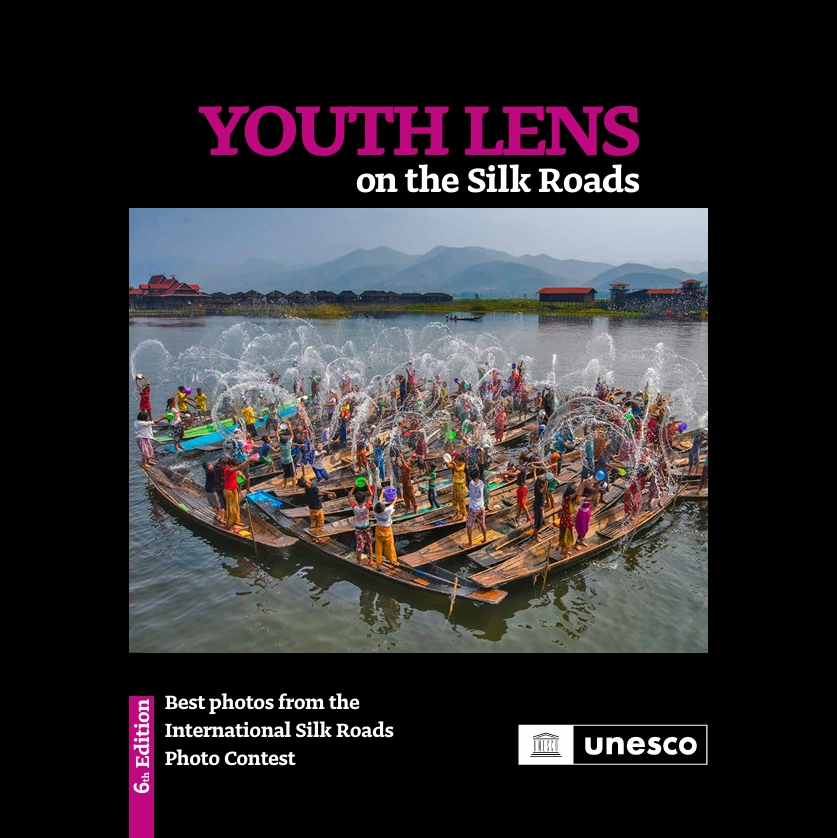 Youth Lens on the Silk Roads: Best Photos from the International Silk Roads Photo Contest; 6th Edition
 -
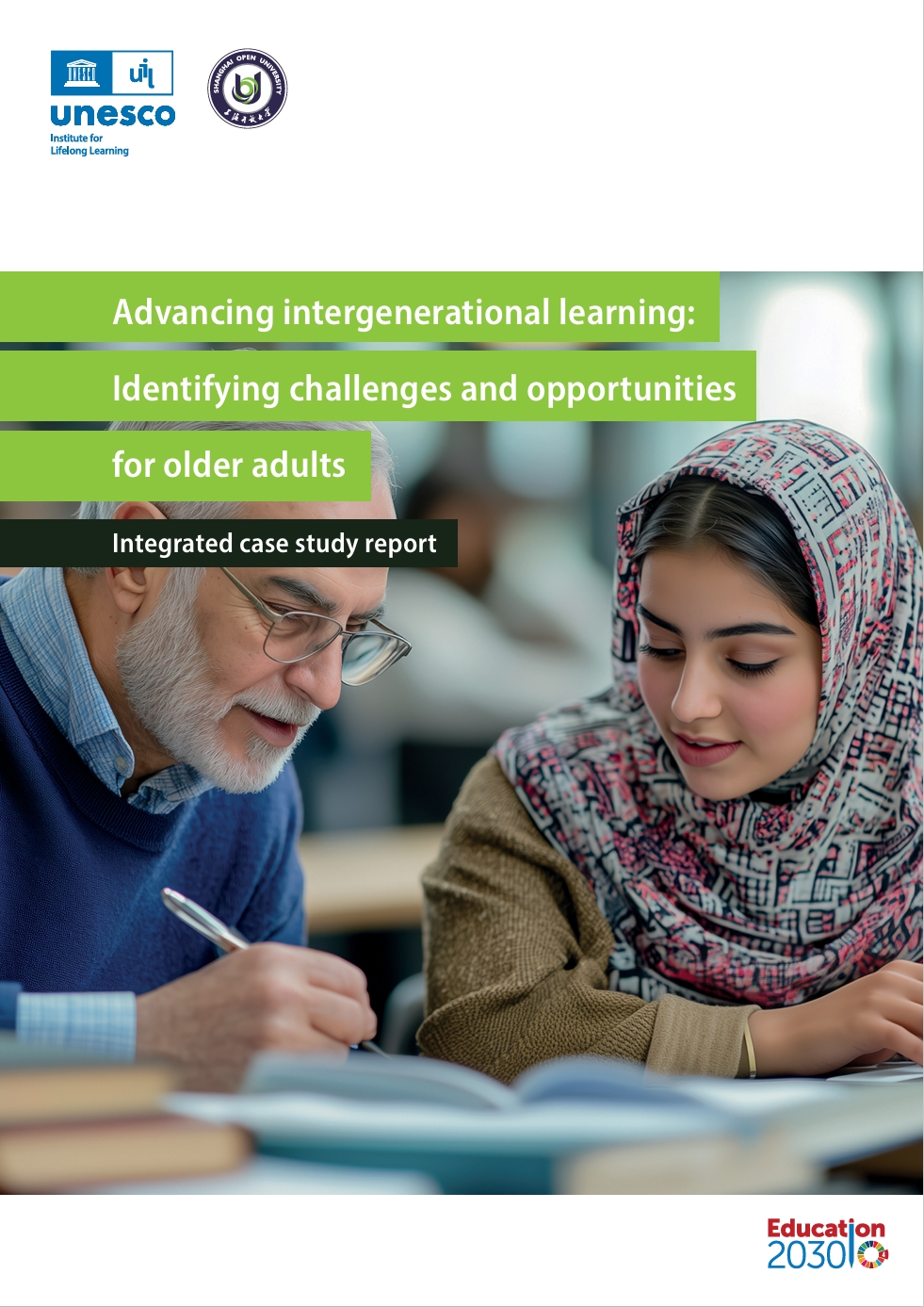 Advancing Intergenerational Learning: Identifying Challenges and Opportunities for Older Adults; Integrated Case Study Report
 -
 Digital Empowerment for Lifelong Learning and Transformative Andragogy (DELTA) for Adult Educators: Introduction to the DELTA Framework and Resources