
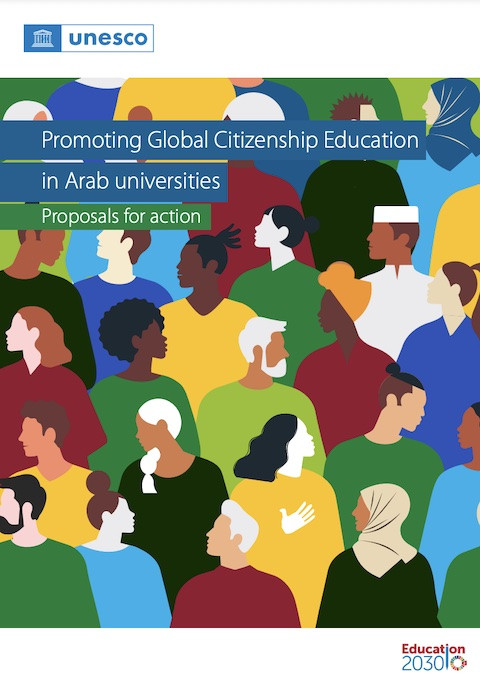
Promoting Global Citizenship Education in Arab Universities: Proposals for Action
- Autor
- Ellen Middaugh
- Autor Corporativo
- UNESCO Beirut
- Colección
- 15 p.
- Idioma del recurso
- inglésárabe
- Año de publicación
- 2022
- Tema
- Civiles / Ciudadanía / DemocraciaAlfabetización mediática e informacional / Ciudadanía digitalGlobalización y justicia social / Comprensión internacionalDesarrollo sostenible / Sostenibilidad
- Tipo de Recurso
- Research papers / journal articlesOtro(s)
- Nivel de Educación
- Educación superior
- Región
- Estados Árabes
- Lugar de publicación
- Beirut; Paris
Higher education can play an important role in promoting Global Citizenship Education (GCED). It provides incentive, opportunity and support for young adults to learn about global issues, engage across diverse cultures, and practice the skills of GCED at a time of intensive personal, social, political and career exploration. Furthermore, universities can encourage students to take these skills and values into their adult lives to share with others and continue the lifelong process. Arab universities are very committed to GCED. However, the way GCED in concretely implemented needs improvement. While greater attention is paid to the cognitive domain of learning, the socio-emotional and behavioral domains of learning – which best lead to effective transformative engagement – tend to be left behind. Based on existing practices, this document provides universities, academia and students with concrete proposals on how to better mainstream GCED and its values, through higher education, in the Arab region.
Recursos Relacionados
-
 IIEP-UNESCO 12th Medium-Term Strategy: 2026–2029
 -
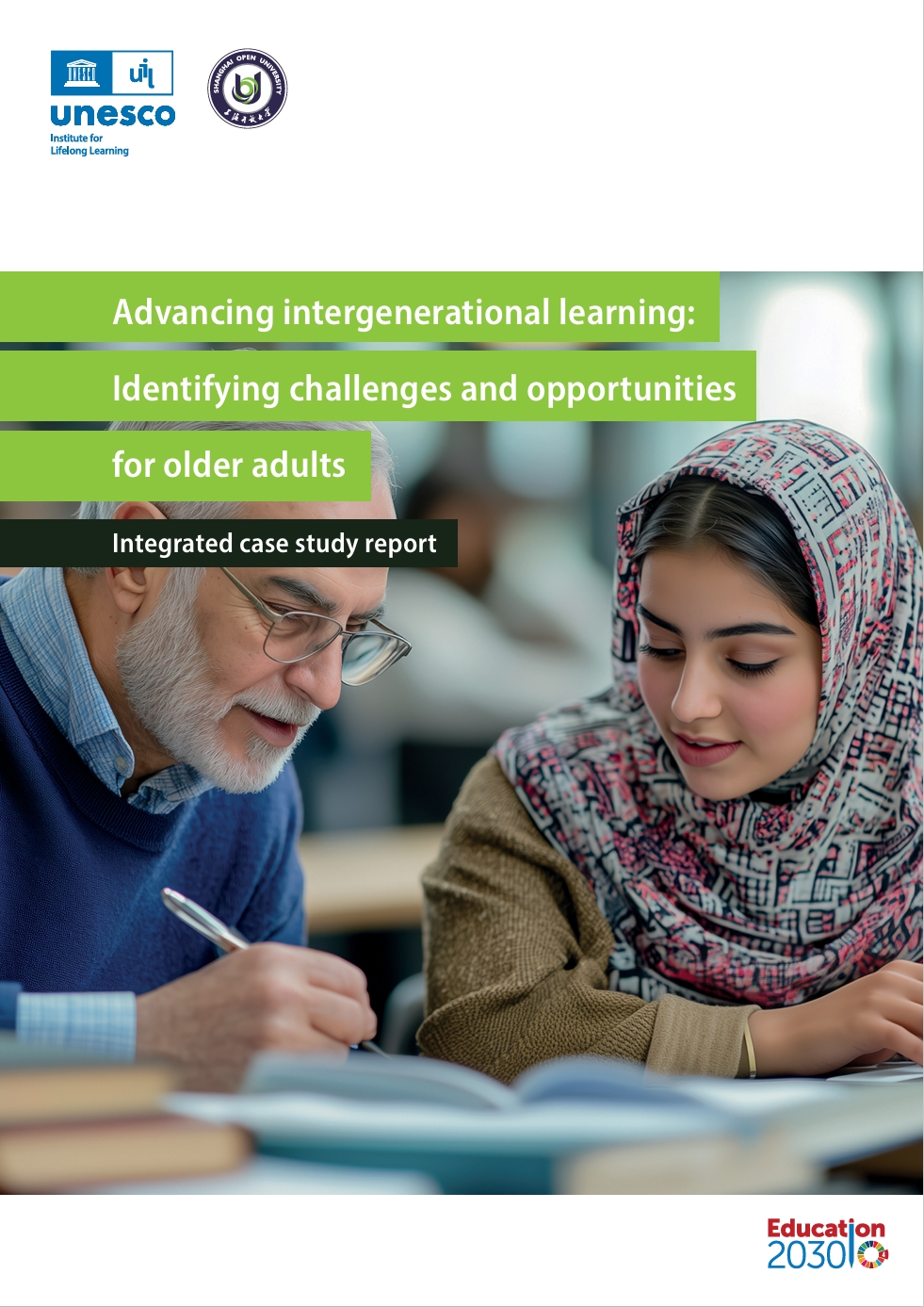 Advancing Intergenerational Learning: Identifying Challenges and Opportunities for Older Adults; Integrated Case Study Report
 -
 Digital Empowerment for Lifelong Learning and Transformative Andragogy (DELTA) for Adult Educators: Introduction to the DELTA Framework and Resources
 -
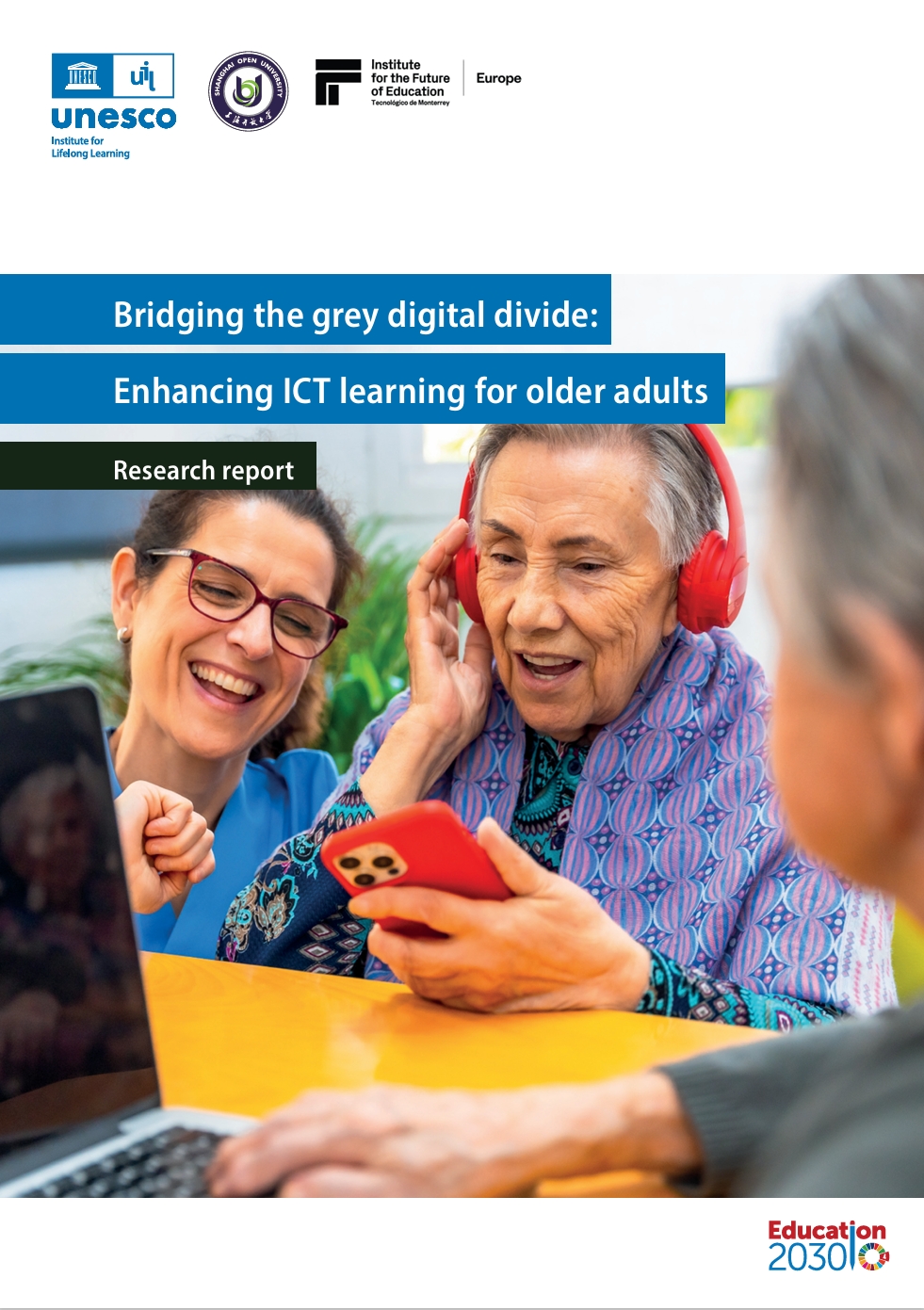 Bridging the Grey Digital Divide: Enhancing ICT Learning for Older Adults; Research Report