
Embracing Peace through UNESCO World Heritage
- Autor Corporativo
- Korean National Commission for UNESCO
- ISBN
- ISBN 979-11-90615-51-8(eng); ISBN 979-11-90615-45-7(kor)
- Colección
- 211 p.
- Idioma del recurso
- ingléscoreano
- Año de publicación
- 2024
- Tema
- Civiles / Ciudadanía / DemocraciaDiversidad / Alfabetización cultural / InclusiónPaz / Cultura de pazDesarrollo sostenible / SostenibilidadIniciativas transformadoras / Pedagogías transformadoras
- Tipo de Recurso
- Planes de estudios, material didáctico y guías
- Nivel de Educación
- Educación secundaria
- Región
- Global
- Lugar de publicación
- Seoul
This resource kit is the product of long labor by 10 researchers consisting of scholars on UNESCO heritage and teachers working in schools that belong to the UNESCO Associated Schools Network (ASPnet). It is distinct from existing educational resources in several ways. First, this kit goes beyond introducing the variously inscribed World Heritage properties one after another, to explain the rich significance of the heritage properties through keywords such as peace, cultural diversity, and sustainability. We also sought to overcome misconceptions about World Heritage and presented the content through various interesting cases for easy, hands-on application in classroom settings. In 2024, KNCU has pilot-tested the teaching materials presented in this resource kit in Korean middle and high schools belonging to UNESCO ASPnet. An online teacher training course based on this book has also been provided in June this year.
Recursos Relacionados
-
 IIEP-UNESCO 12th Medium-Term Strategy: 2026–2029
 -
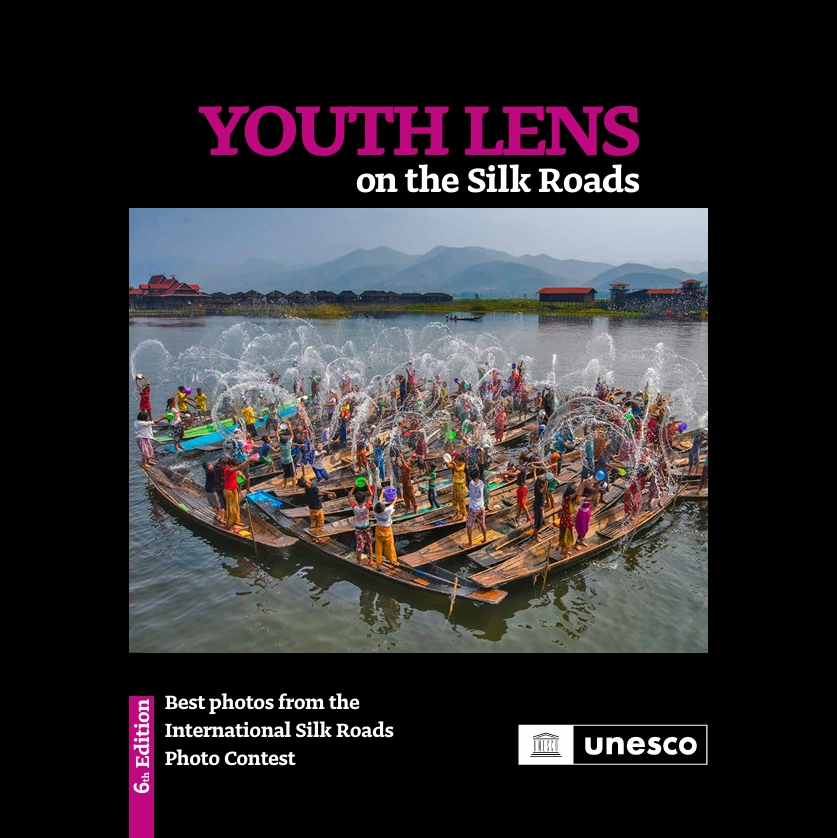 Youth Lens on the Silk Roads: Best Photos from the International Silk Roads Photo Contest; 6th Edition
 -
 Advancing Intergenerational Learning: Identifying Challenges and Opportunities for Older Adults; Integrated Case Study Report
 -
 Digital Empowerment for Lifelong Learning and Transformative Andragogy (DELTA) for Adult Educators: Introduction to the DELTA Framework and Resources