
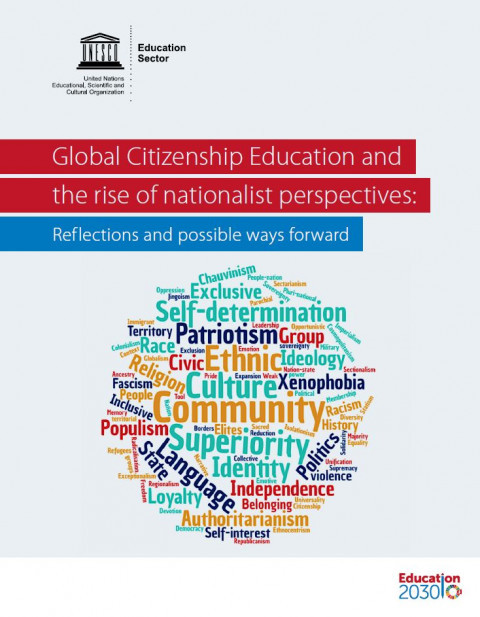
Global Citizenship Education and the Rise of Nationalist Perspectives: Reflections and Possible Ways Forward
- Autor Corporativo
- Organización de las Naciones Unidas para la Educación, la Ciencia y la Cultura (UNESCO)Centro de Asia y el Pacífico de Educación para el Entendimiento Internacional (APCEIU)
- Colección
- 9 p.
- Idioma del recurso
- ingléscoreano
- Año de publicación
- 2018
- Tema
- Civiles / Ciudadanía / DemocraciaGlobalización y justicia social / Comprensión internacionalDesarrollo sostenible / Sostenibilidad
- Tipo de Recurso
- Informes de conferencia y programaOtro(s)
- Nivel de Educación
- Otros
- Región
- Global
- Lugar de publicación
- Paris
Over the past few years, many have observed a rise in nationalist perspectives across the world. These trends raise questions about the role of education and, in particular, one of UNESCO’s key areas of work in the field of education, namely Global Citizenship Education (GCED), which seeks to equip learners with the skills, values and attitudes needed to contribute to the development of peaceful and just societies. This paper seeks to clarify the evidence of the rise of nationalist perspectives and its causes, and to lay out how GCED is challenged by this phenomenon. It recommends ways forward for education stakeholders in promoting GCED, in order to strengthen ‘learning to live together’ by embedding GCED meaningfully in local and country contexts.
Recursos Relacionados
-
 IIEP-UNESCO 12th Medium-Term Strategy: 2026–2029
 -
 Advancing Intergenerational Learning: Identifying Challenges and Opportunities for Older Adults; Integrated Case Study Report
 -
 Digital Empowerment for Lifelong Learning and Transformative Andragogy (DELTA) for Adult Educators: Introduction to the DELTA Framework and Resources
 -
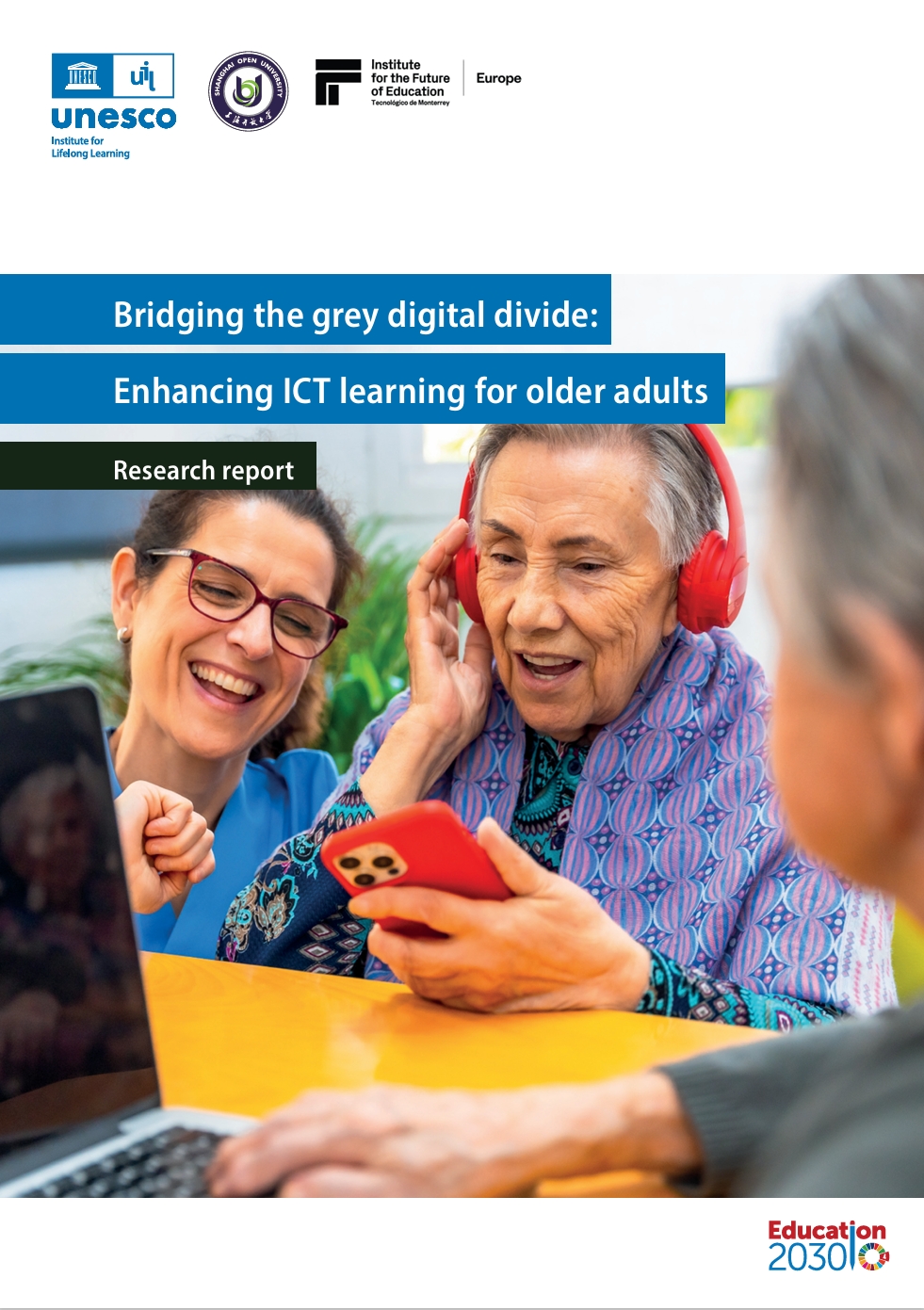 Bridging the Grey Digital Divide: Enhancing ICT Learning for Older Adults; Research Report