
Securitisation, Counterterrorism and the Silencing of Dissent: The Educational Implications of Prevent
- Autor
- Aislinn O'Donnell
- Autor Corporativo
- Society for Educational StudiesTaylor & Francis
- Idioma del recurso
- inglés
- Año de publicación
- 2016
- Palabra Clave
- Educational qualityCitizenship
- Tema
- Civiles / Ciudadanía / DemocraciaGlobalización y justicia social / Comprensión internacionalPrevención de extremismo violento y genocidio
- Tipo de Recurso
- Research papers / journal articles
- Nivel de Educación
- Educación superiorEducación permanente
- Región
- Europa y América del Norte
- Lugar de publicación
- London
This paper outlines some of the implications of counterterrorist legislation, including Prevent, for the pedagogical relationship and for educational institutions. The concept of ‘radicalization’, central to the Prevent Strategy, is one that is contested in the field of counterterrorism, yet educators are now expected to identify and refer students ‘at risk of radicalization’. Based on the experience of teaching IRA and INLA prisoners in the Republic of Ireland, the author outlines a set of philosophical and ethical principles that ought to underpin education. It is argued that education must not be subordinated to security and intelligence agendas on pragmatic, educational and ethical grounds.
Recursos Relacionados
-
 IIEP-UNESCO 12th Medium-Term Strategy: 2026–2029
 -
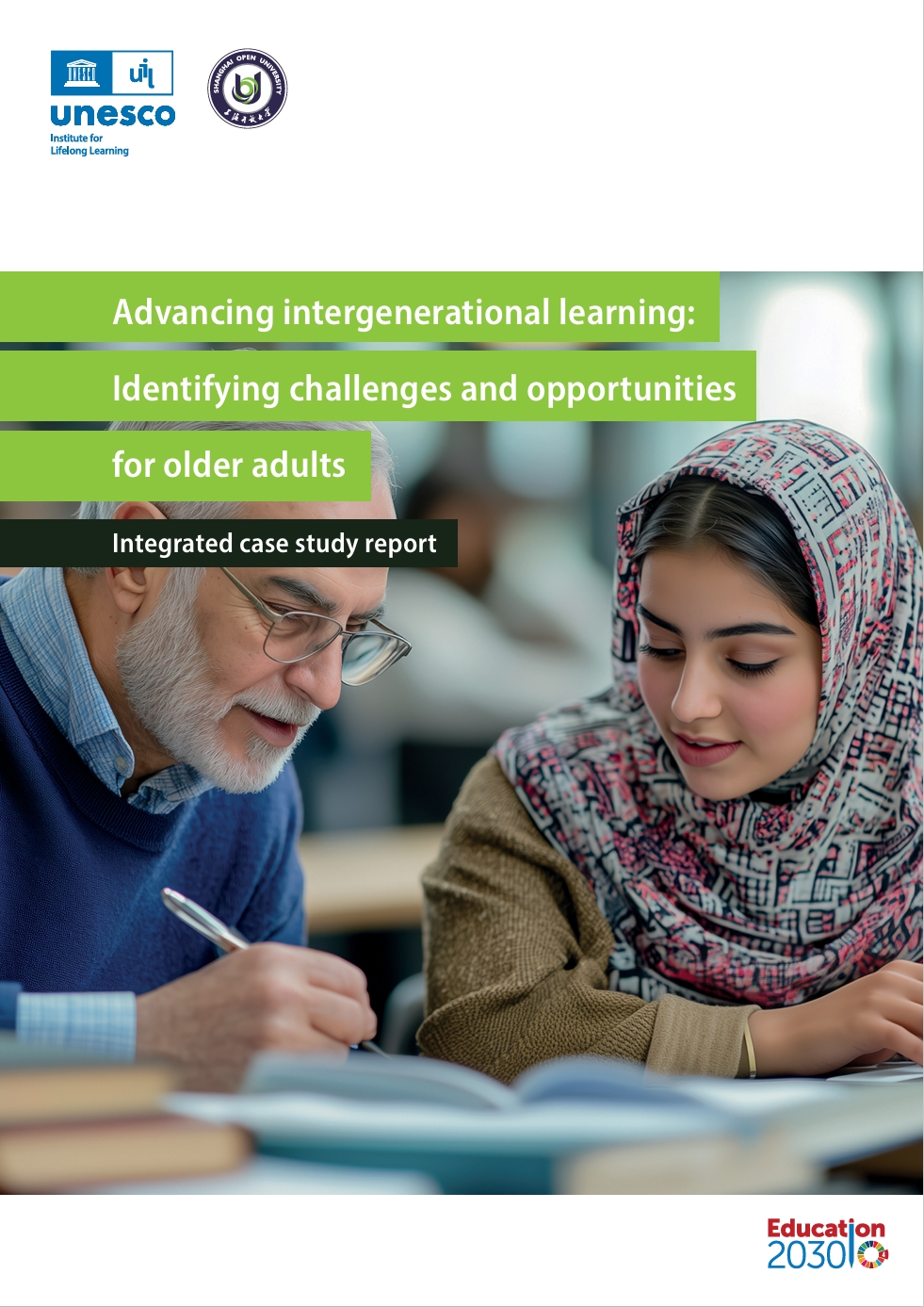 Advancing Intergenerational Learning: Identifying Challenges and Opportunities for Older Adults; Integrated Case Study Report
 -
 Digital Empowerment for Lifelong Learning and Transformative Andragogy (DELTA) for Adult Educators: Introduction to the DELTA Framework and Resources
 -
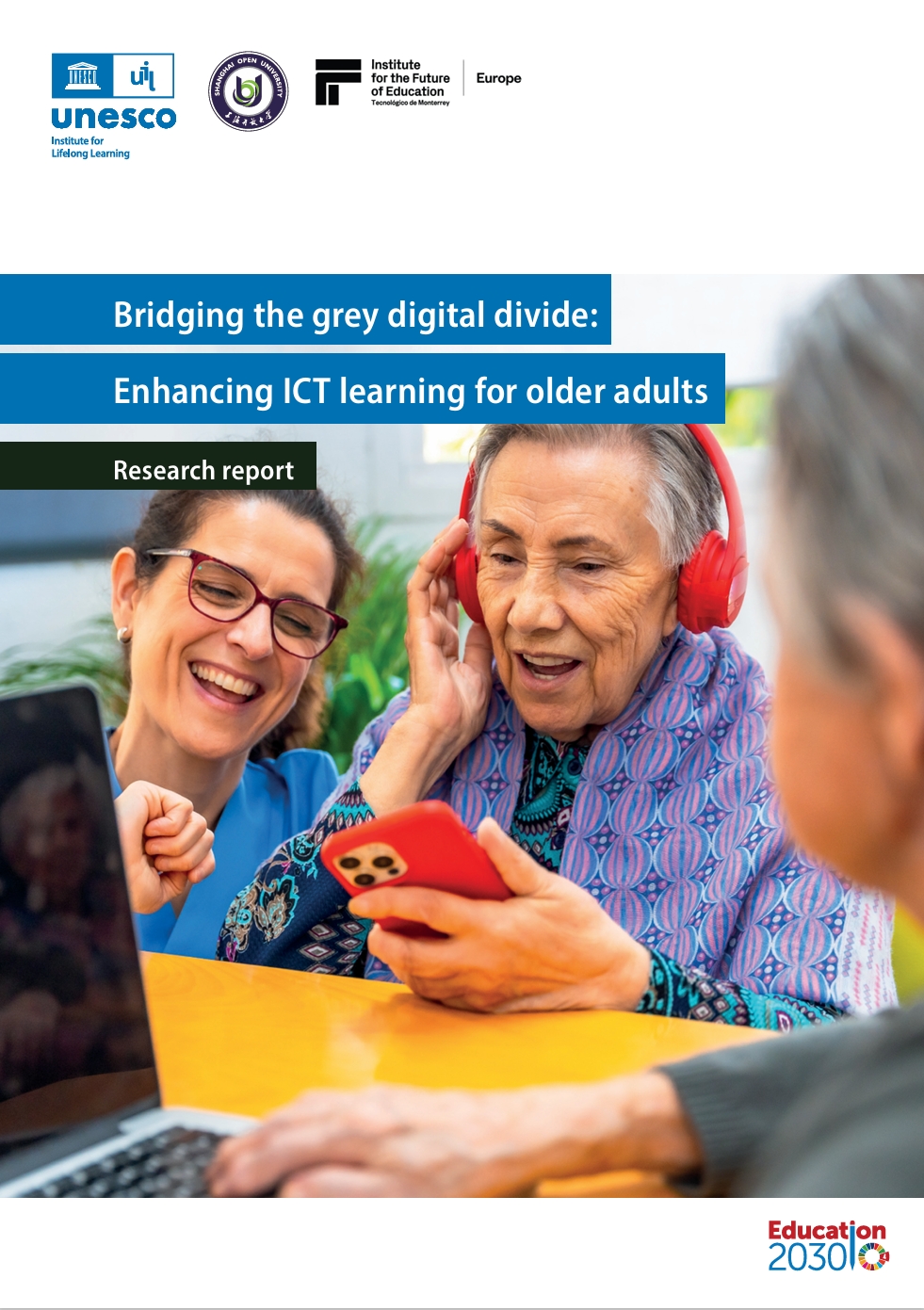 Bridging the Grey Digital Divide: Enhancing ICT Learning for Older Adults; Research Report