
Peace Education in Northeast Asia: A Situational Analysis
- Auteur
- Soonwon KangCheng LiuKetei MatsuiBatbaatar MonkhooroiBoyoung ParkMuyu HuangOyuntsetseg Dugarsuren
- Auteur institutionnel
- Centre Asie-Pacifique d'éducation pour la compréhension internationale (APCEIU)
- ISBN
- ISBN 979-11-87819-56-1
- Collation
- 171p.
- Langue de la ressource
- Anglais
- Année de publication
- 2021
- Mot-clé
- Éducation pour la paixPeacebuildingGlobal citizenshipÉducation pour le développement durable
- Thème
- Civisme / Citoyenneté / DémocratieDiversité / Compétence culturelle / InclusionDroits de l'hommeMondialisation et justice sociale / Compréhension internationalePaix / Culture de paixPrévention de l'extrémisme violent et du génocideDéveloppement durable / Durabilité
- Type de ressource
- Research papers / journal articles
- Région
- Asie et Pacifique
- Lieu de publication
- Seoul
Being central to education for international understanding and global citizenship, peace education has always been an important theme in UNESCO. For effective delivery of peace education, it is critical to examine and understand the relevance of peace education and its key issues and approaches at a given juncture. With this in mind, in 2020, APCEIU conducted a study on peace education in South Korea to review its current state and suggest some policy recommendations. Following up on this study, APCEIU initiated in 2021 a research project on peace education in Northeast Asia in order to identify how peace education is interpreted and practised in the countries of the region and explore possibilities of cooperation among peace educators, researchers, and practitioners in the region. Building on this research, APCEIU hopes to develop and carry out joint projects for peace education in the region.
Ressources associées
-
 IIEP-UNESCO 12th Medium-Term Strategy: 2026–2029
 -
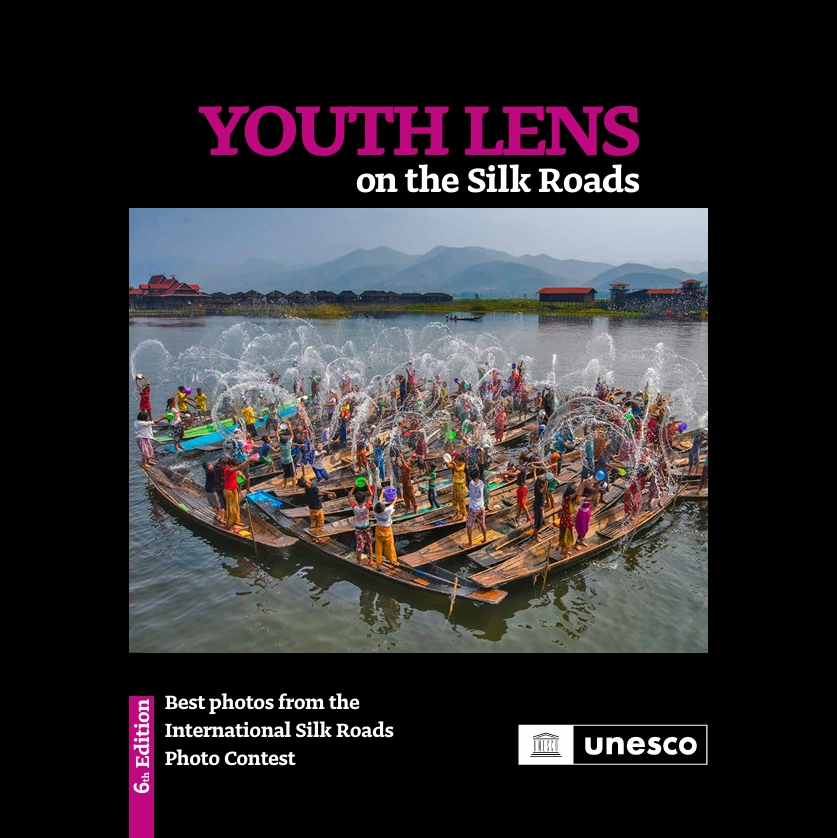 Youth Lens on the Silk Roads: Best Photos from the International Silk Roads Photo Contest; 6th Edition
 -
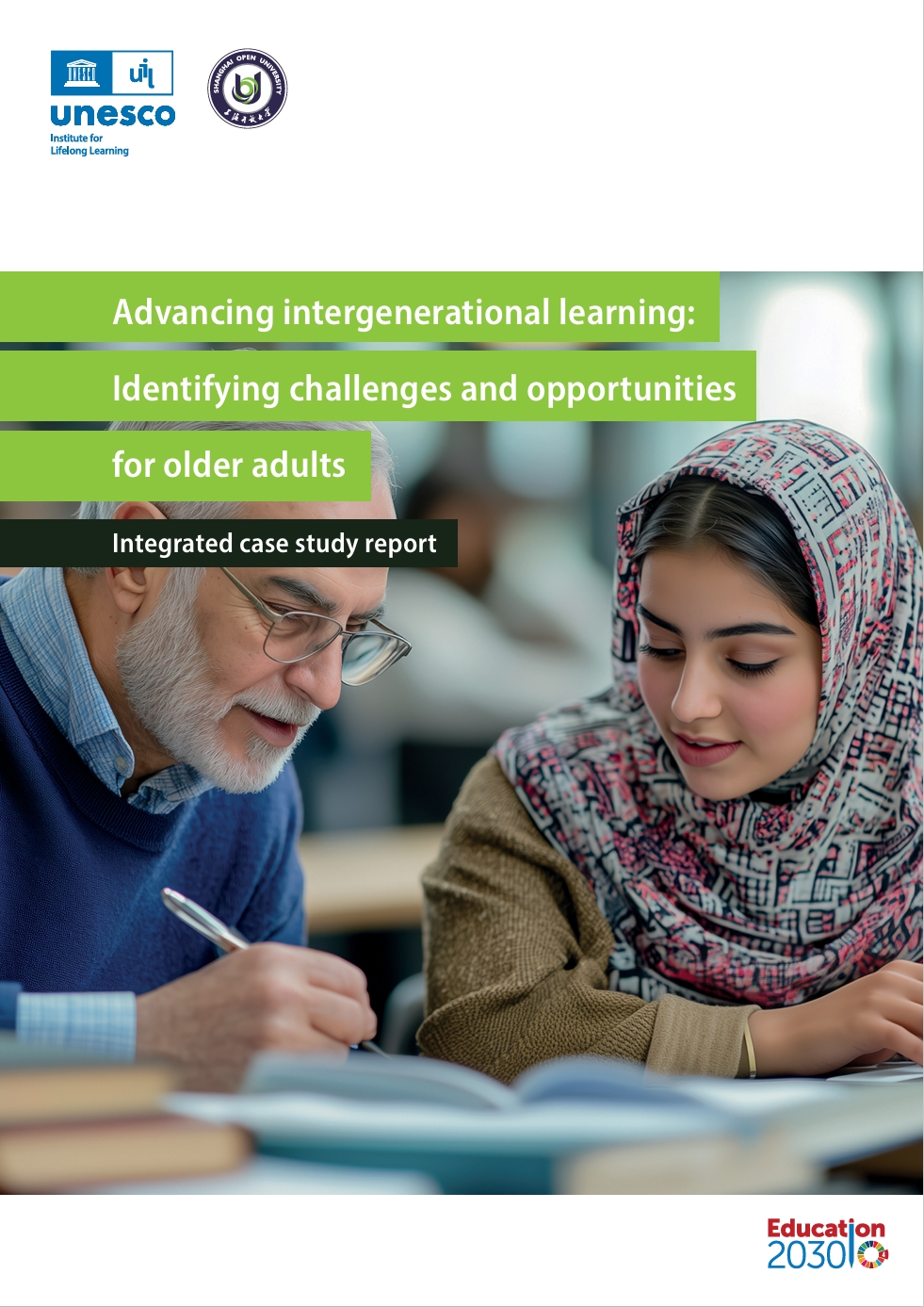 Advancing Intergenerational Learning: Identifying Challenges and Opportunities for Older Adults; Integrated Case Study Report
 -
 Digital Empowerment for Lifelong Learning and Transformative Andragogy (DELTA) for Adult Educators: Introduction to the DELTA Framework and Resources