
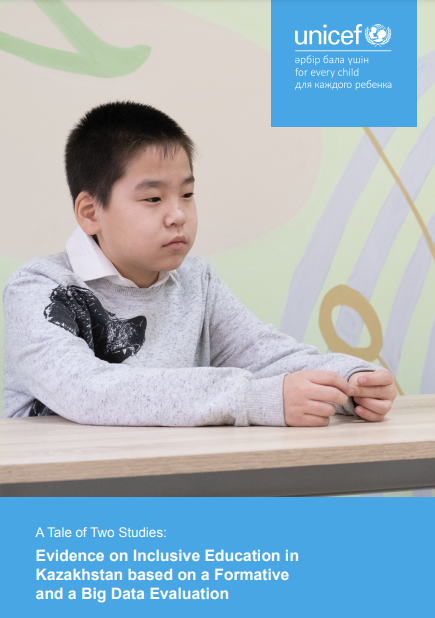
Evidence on Inclusive Education in Kazakhstan based on a Formative and a Big Data Evaluation
- Auteur institutionnel
- UNICEF Kazakhstan
- Collation
- 13 p.
- Langue de la ressource
- AnglaisRusse
- Année de publication
- 2024
- Thème
- Diversité / Compétence culturelle / InclusionDroits de l'hommeMondialisation et justice sociale / Compréhension internationaleAutres
- Type de ressource
- Autre
- Niveau d’éducation
- Enseignement secondaireEnseignement supérieurÉducation non formelleAutres
- Région
- Asie et Pacifique
- Lieu de publication
- Астана
The objective of the JB formative evaluation was to examine the functioning of the state education programmes between 2011 and 2021 with a special focus on inclusivity. This covered children from pre-school to secondary school levels. The Big data evaluation or Social Media Listening (SML) study focused on the same age group of children and aimed to further the understanding of different stakeholder perspectives, as expressed via social media and online news media outlets. The demography of Kazakhstan reflects that it is a relatively young country. Given that the youth are more inclined to using social media, this is an important source of discussions in the country, including those on inclusive education.
Ressources associées
-
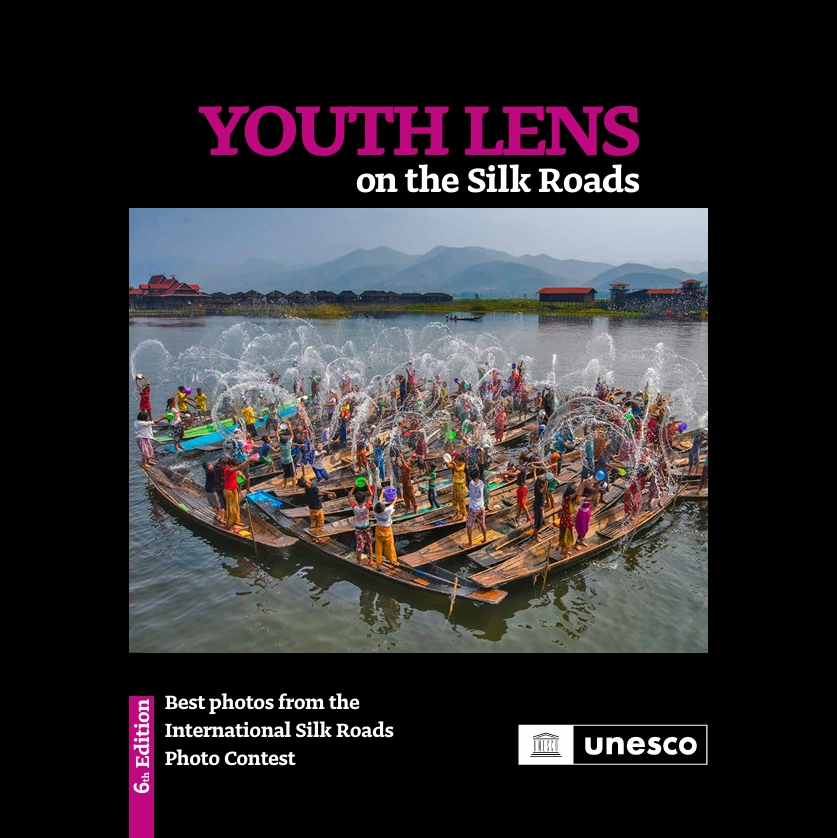 Youth Lens on the Silk Roads: Best Photos from the International Silk Roads Photo Contest; 6th Edition
 -
 Addressing Violent Pasts through Education: A Policy Guide
 -
 UNESCO Framework for Culture and Arts Education: Implementation Guidance
 -
 The Representation of Jews, Judaism and Antisemitism in School Textbooks and Curricula in Europe