
Values and Attitudes - Positive and Negative: A study of the impact of teaching the Holocaust on citizenship among Scottish 11-12 year olds
- Mot-clé
- HolocaustÉtude de cas
- Type de ressource
- Research papers / journal articles
- Niveau d’éducation
- Enseignement primaireEnseignement secondaire
Previous research on teaching the Holocaust, notably case studies in the primary or the secondary sectors, suggests that Holocaust education can make a significant contribution to citizenship by developing pupils’ understandings of justice, tolerance, human rights issues, and the many forms of racism and discrimination. Yet, there have been no longitudinal studies into its impact on primary pupils. This paper reports on the first stages of ongoing longitudinal research (sponsored by the Scottish Executive Education Department) and concentrates on the relevance of Holocaust education to citizenship, by comparing the attitudes of primary 7 pupils before and after Holocaust teaching using data from questionnaires. Results show an improvement in pupils’ values and attitudes after learning about the Holocaust in almost every category related to minority groups, ethnic or otherwise. One significant finding was a deep anti-English feeling and this in itself indicates the need for further investigation. (By the author)
Ressources associées
-
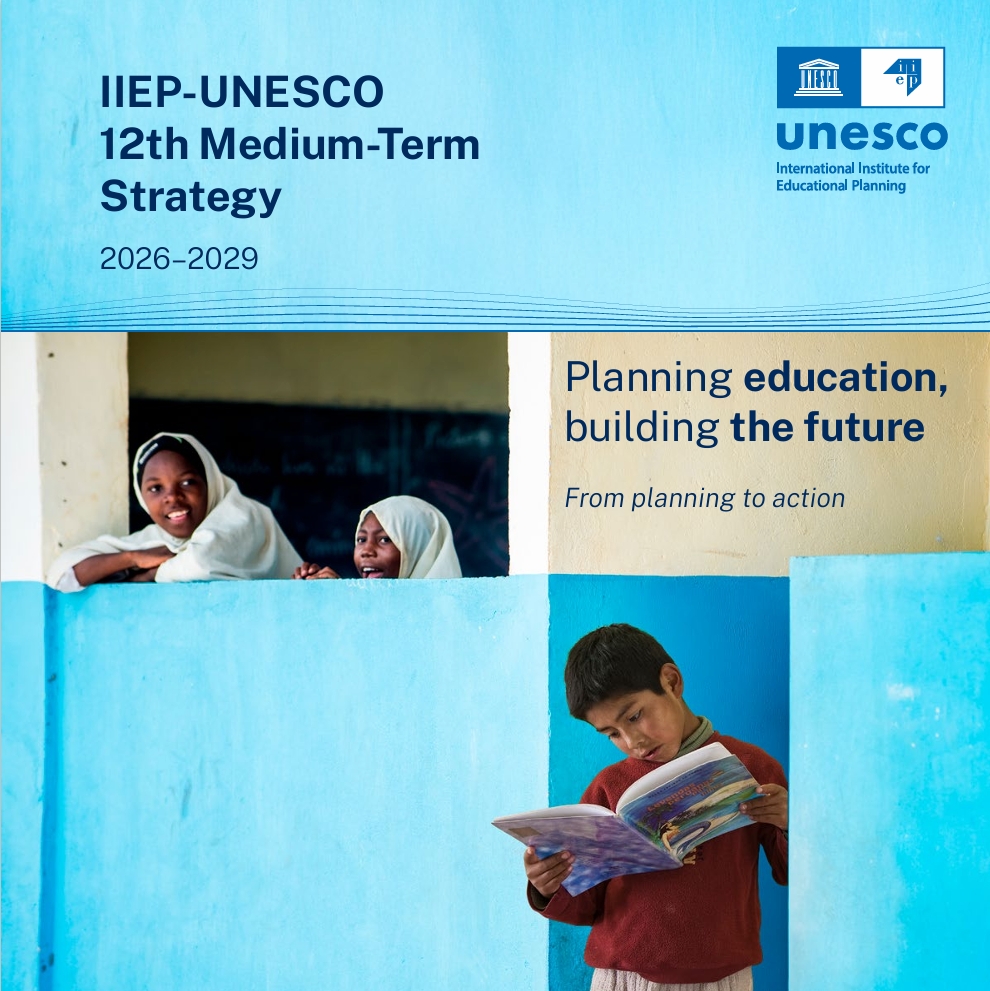 IIEP-UNESCO 12th Medium-Term Strategy: 2026–2029
 -
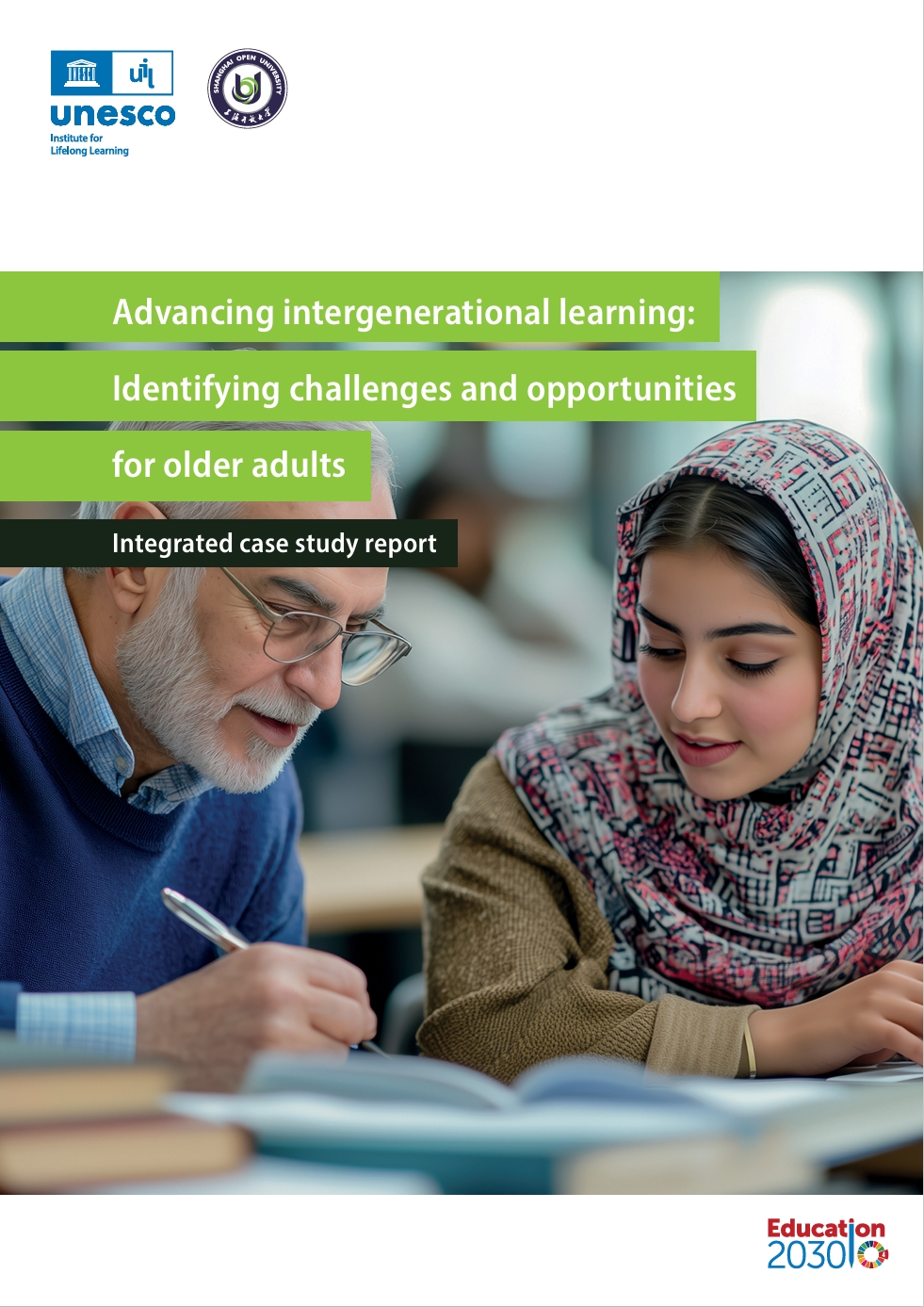 Advancing Intergenerational Learning: Identifying Challenges and Opportunities for Older Adults; Integrated Case Study Report
 -
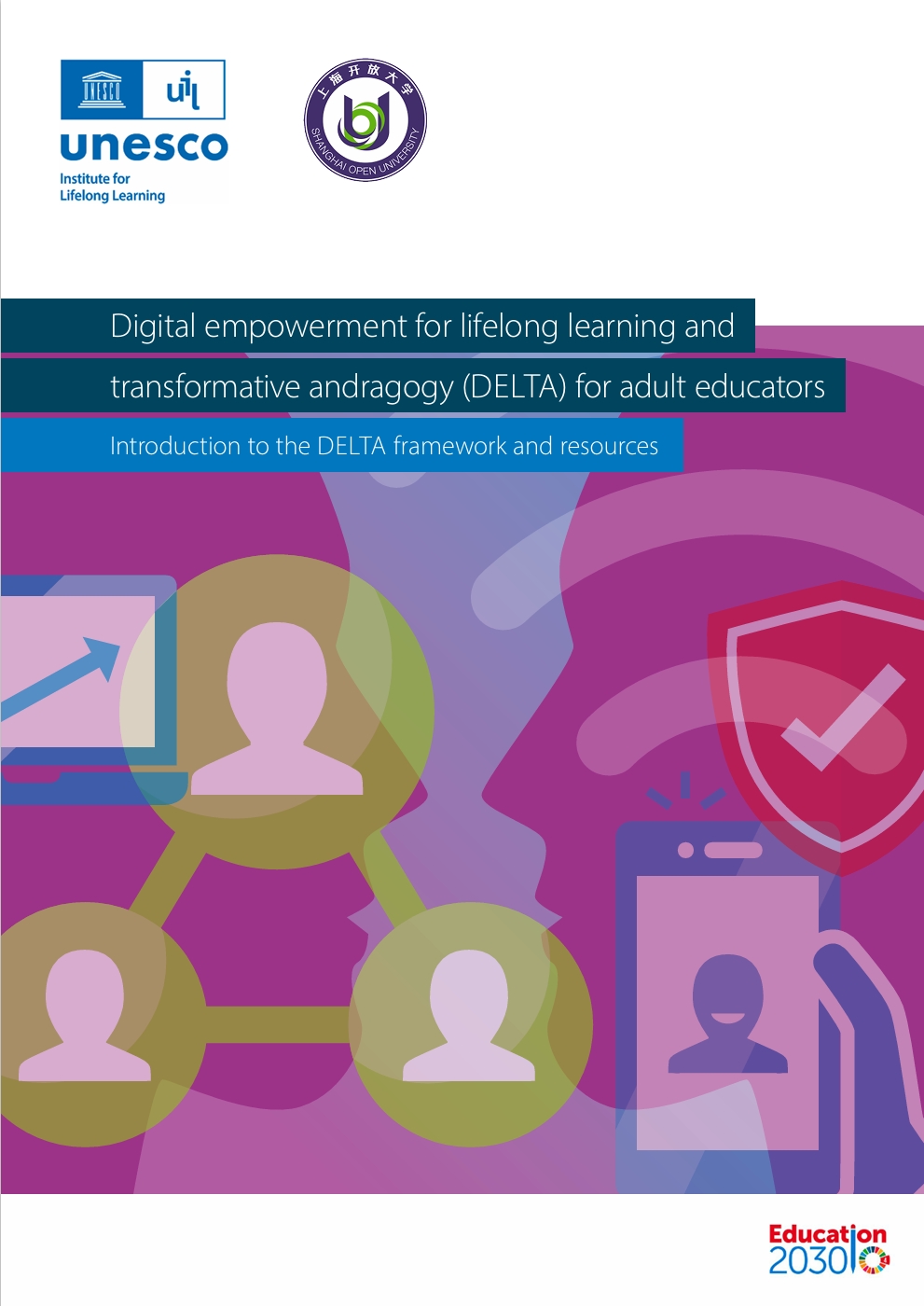 Digital Empowerment for Lifelong Learning and Transformative Andragogy (DELTA) for Adult Educators: Introduction to the DELTA Framework and Resources
 -
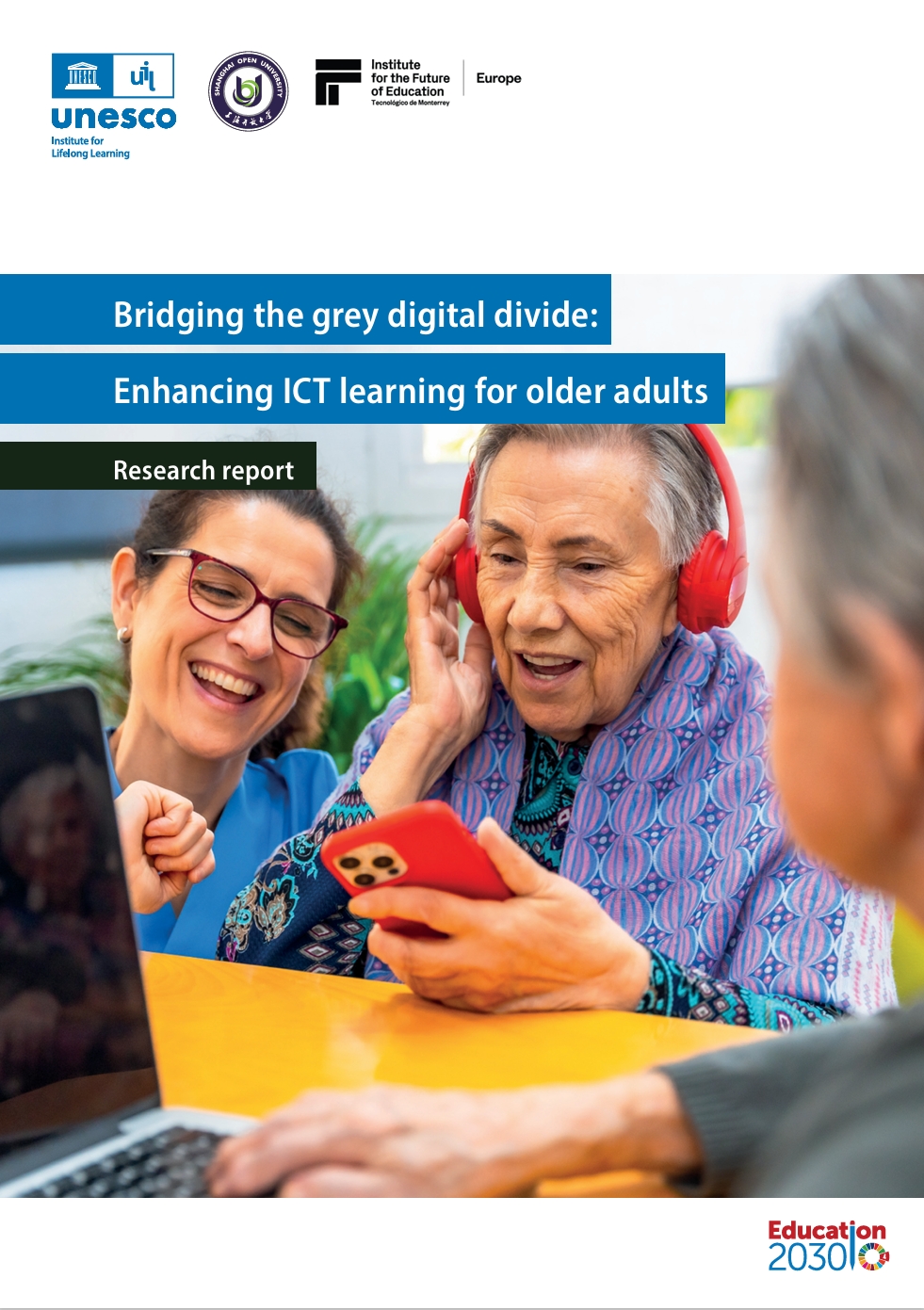 Bridging the Grey Digital Divide: Enhancing ICT Learning for Older Adults; Research Report