
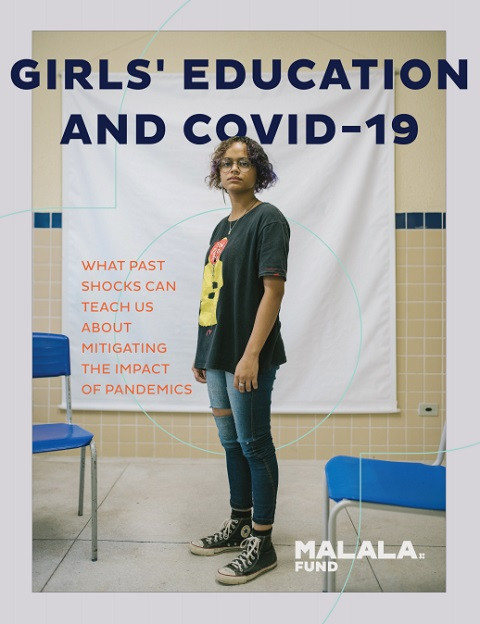
Girls' Education and COVID-19: What Past Shocks Can Teach Us About Mitigating the Impact of Pandemics
- Auteur
- Lucia FryPhilippa Lei
- Auteur institutionnel
- Malala Fund
- Collation
- 16 p.
- Langue de la ressource
- Anglais
- Année de publication
- 2020
- Thème
- Civisme / Citoyenneté / DémocratieDroits de l'hommeMondialisation et justice sociale / Compréhension internationaleAutres
- Type de ressource
- Research papers / journal articles
- Niveau d’éducation
- Enseignement primaireEnseignement secondaire
- Région
- Global
- Lieu de publication
- Washington, D.C.
Almost 90% of the world’s countries have shut their schools in efforts to slow the transmission of COVID-19. Alongside school closures, governments are also imposing social distancing measures and restricting the movement of people, goods, and services, leading to stalled economies. While this disruption to education and the expected reduction in global growth have far-reaching effects for all, their impact will be particularly detrimental to the most disadvantaged students and their families, especially in poorer countries. The educational consequences of COVID-19 will last beyond the period of school closures, disproportionately affecting marginalized girls.
This paper uses insights from previous health and financial shocks to understand how the current global pandemic could affect girls’ education outcomes for years to come. It details how governments and international institutions can mitigate the immediate and longer-term effects of the pandemic on the most marginalized girls. The paper considers the 2014- 15 Ebola epidemic and the 2008 global financial crisis, which both have some parallels to the impact of COVID-19.
Ressources associées
-
 IIEP-UNESCO 12th Medium-Term Strategy: 2026–2029
 -
 Advancing Intergenerational Learning: Identifying Challenges and Opportunities for Older Adults; Integrated Case Study Report
 -
 Digital Empowerment for Lifelong Learning and Transformative Andragogy (DELTA) for Adult Educators: Introduction to the DELTA Framework and Resources
 -
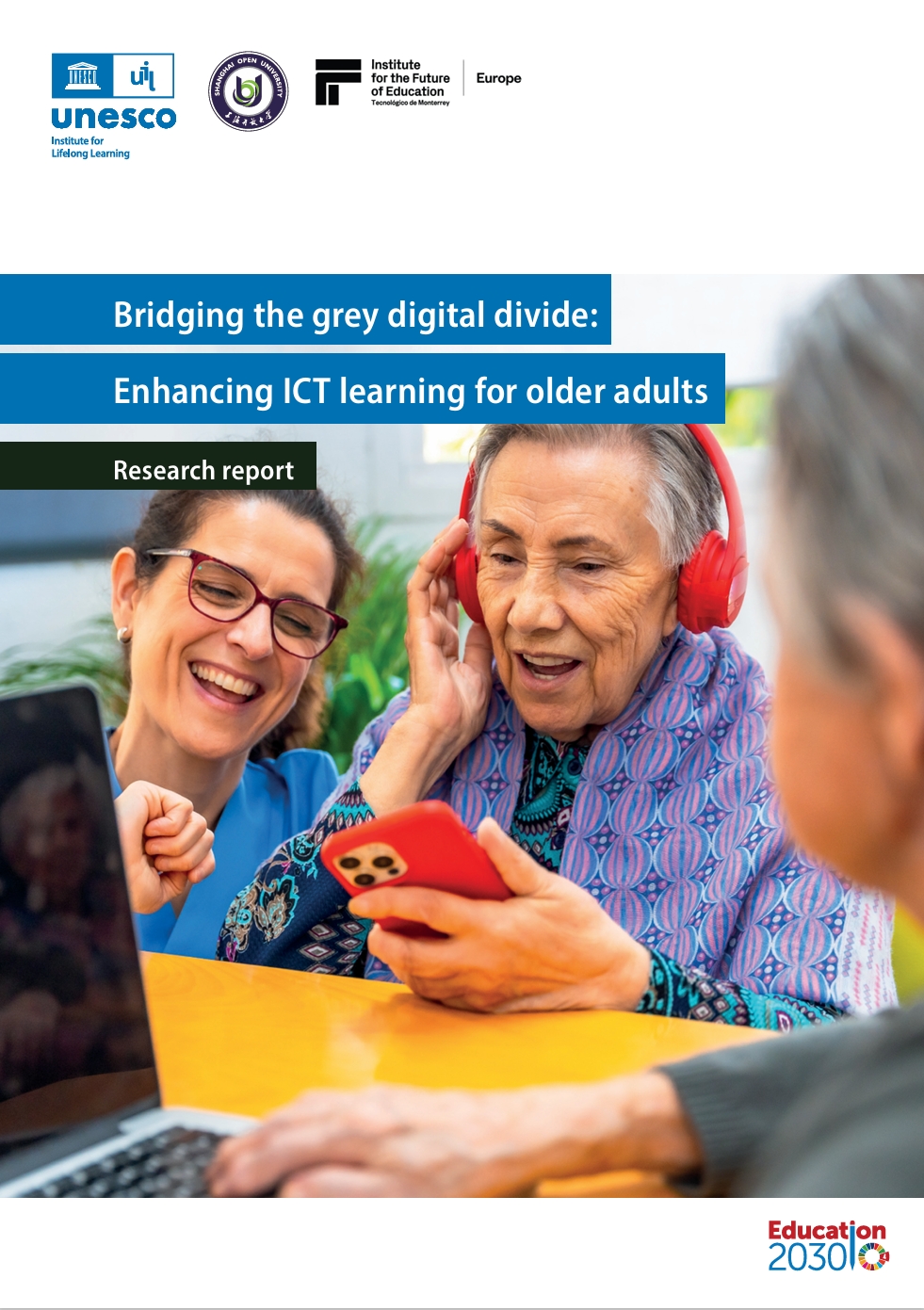 Bridging the Grey Digital Divide: Enhancing ICT Learning for Older Adults; Research Report