

Experience in Distance Education in Kyrgyzstan
The most development of distance higher education, is as, absolute mobility of students and teachers, educational programs, or even higher education institutions themselves, and forms another key aspect of the evolutionary considerd process. It is characterized by variables such as continuity, adaptability, modularity, independence and access to education for all citizens that doesn’t depend on their occupation, position, age even disabled person. Distance education allows to do accurate and adaptable react to the needs of society, to implement the constitutional provision of access to education, to provide broad access to education.
관련 자료
-
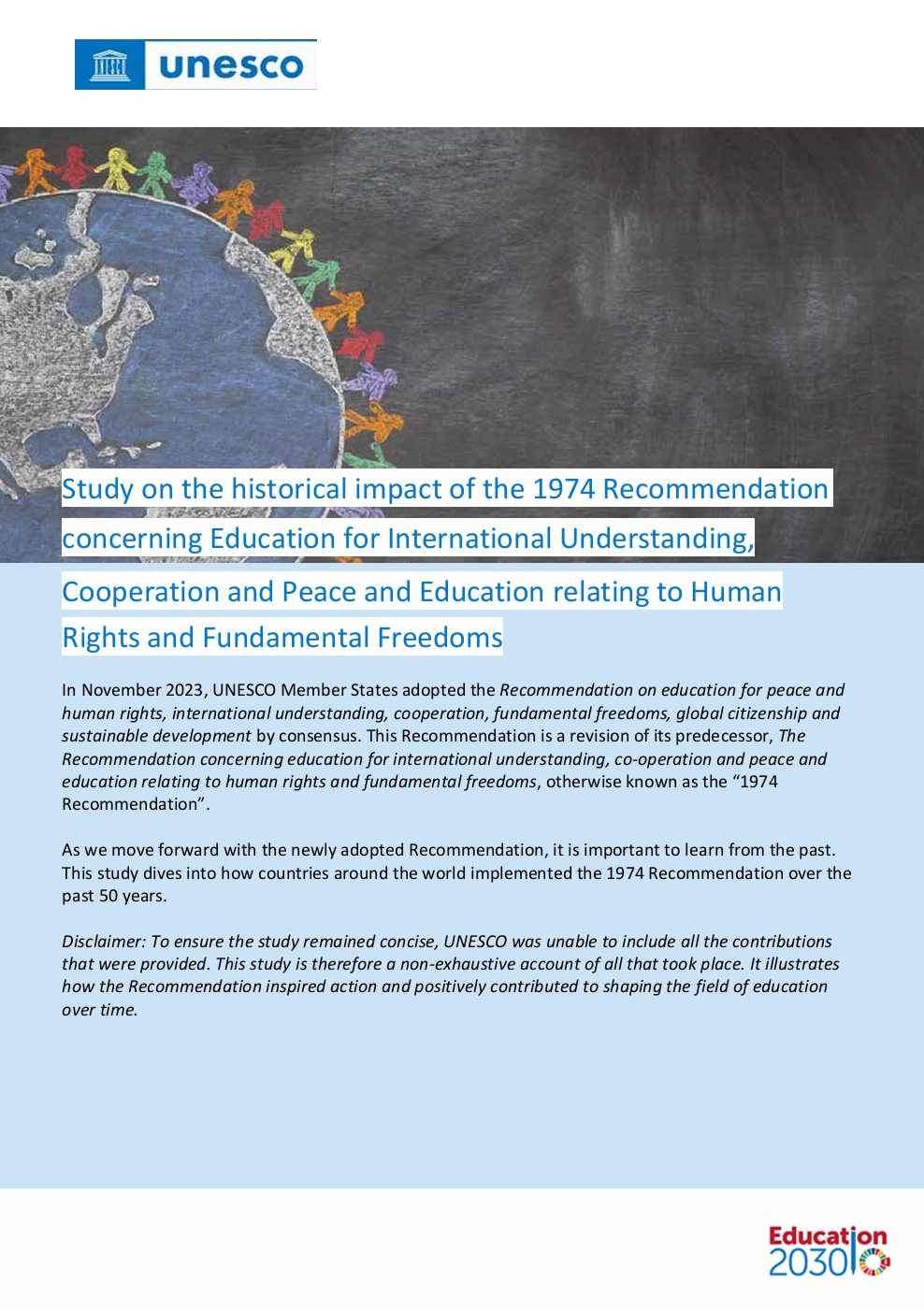 Study on the Historical Impact of the 1974 Recommendation concerning Education for International Understanding, Cooperation and Peace and Education relating to Human Rights and Fundamental Freedoms
 -
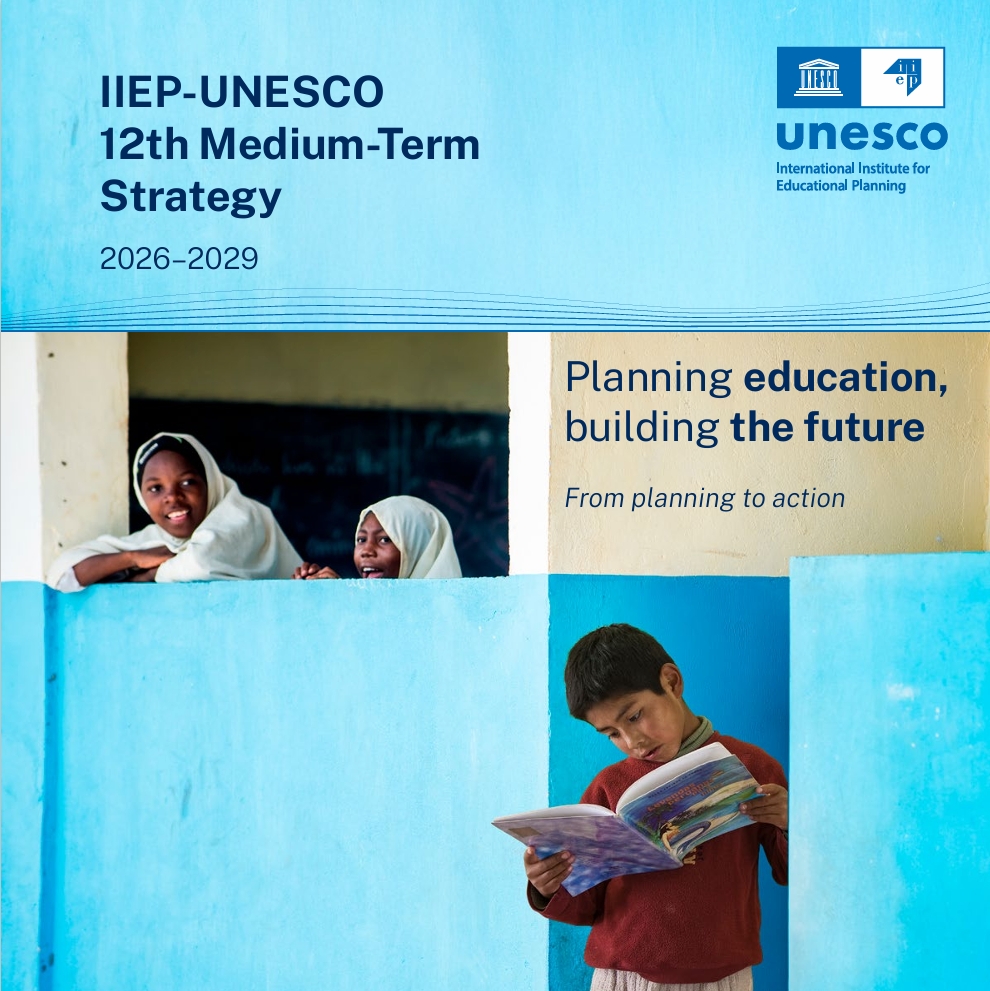 IIEP-UNESCO 12th Medium-Term Strategy: 2026–2029
 -
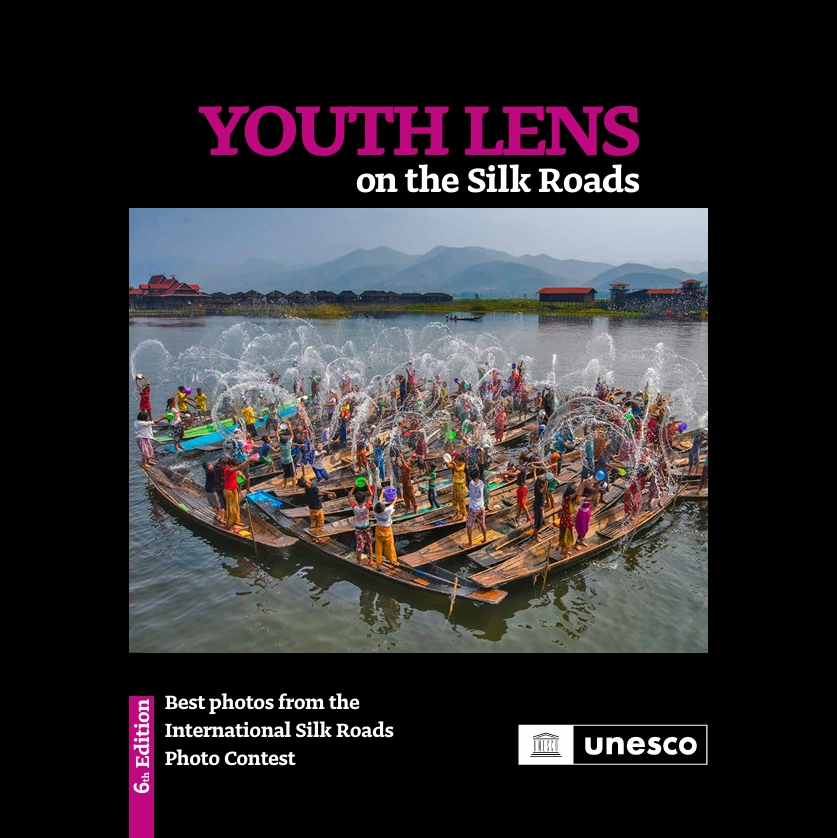 Youth Lens on the Silk Roads: Best Photos from the International Silk Roads Photo Contest; 6th Edition
 -
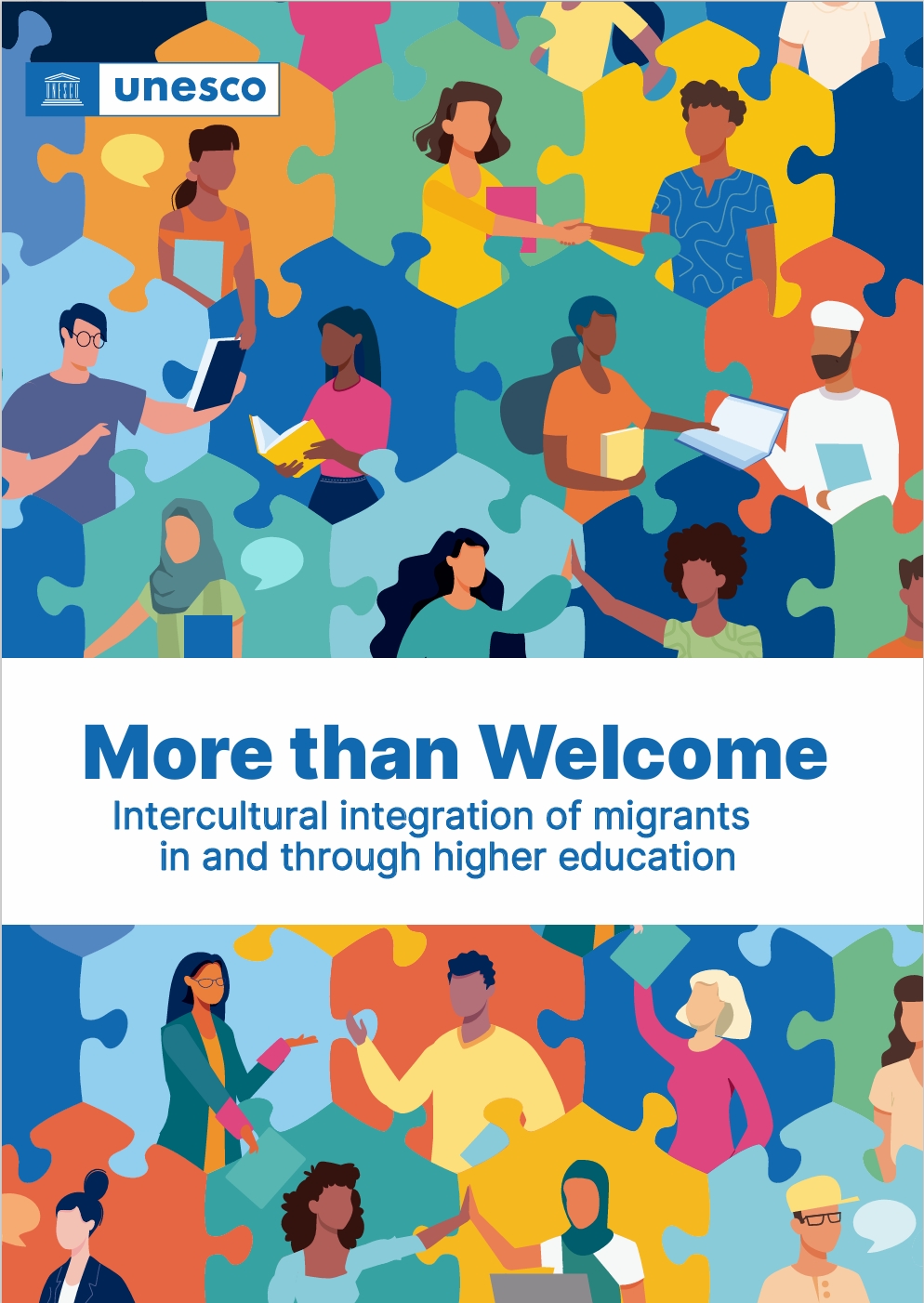 More than Welcome: Intercultural Integration of Migrants in and Through Higher Education