
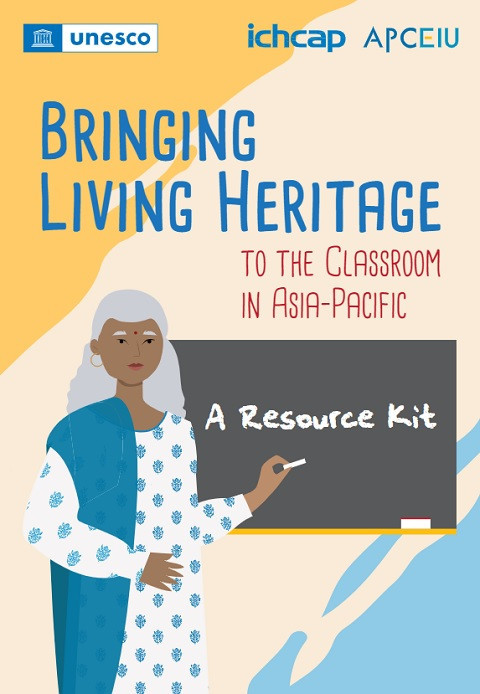
Bringing Living Heritage to the Classroom in Asia-Pacific: A Resource Kit
- ISBN
- ISBN 978-92-3-100546-6 (eng); ISBN 978-92-3-400063-5 (rus)
- 형태사항
- 251 p.
- 원래 언어
- 영어러시아어
- 발행 연도
- 2022
- 키워드
- Intangible cultural heritageCultural educationTeaching guidesНематериальное культурное наследиеОбразование в области культурыПедагогические методические руководства
- 자료 유형
- 교육과정, 교수학습 자료∙가이드
- 지역
- 아시아 태평양 지역
Integrating living heritage in school teaching and learning can enhance education quality, enliven the experiences of students and teachers, and contribute to keeping this heritage alive for current and future generations. In addition, as the ongoing COVID-19 pandemic has also demonstrated, living heritage can play an important role in ensuring the well-being and resilience of communities.
UNESCO encourages countries to safeguard living heritage through formal and non-formal education. From the end of 2019 to early 2022, UNESCO has been working with partners to implement a pilot project “Teaching and Learning with Living Heritage in Schools” in six countries in Asia and the Pacific - including Cambodia, Kazakhstan, Kyrgyzstan, Nepal, Republic of Korea and Thailand. Over 1900 students from 21 schools had the opportunity to participate in these innovative classes. Throughout the process, 86 teachers, with more than two thirds being women, have developed and tested 101 lesson plans and activities.
This Resource Kit provides step-by-step guidance and key resources on why and how to integrate living heritage in lessons and extracurricular activities in schools.
Whoever you are – policy-maker, school director, teacher, student, parent, heritage practitioner – you have a vital role to play in this process.
관련 자료
-
 IIEP-UNESCO 12th Medium-Term Strategy: 2026–2029
 -
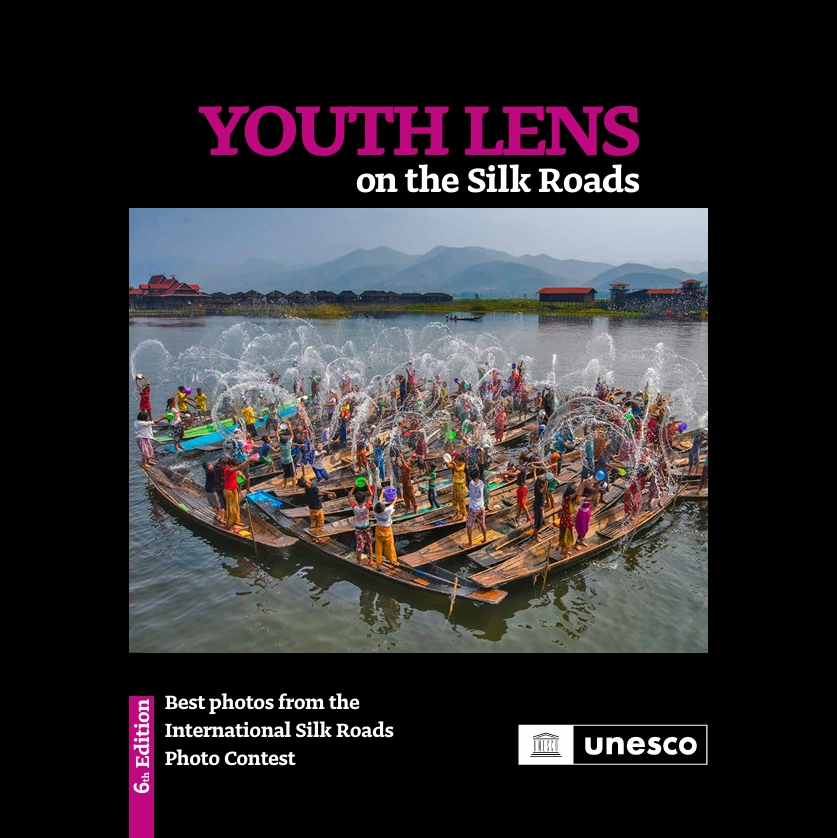 Youth Lens on the Silk Roads: Best Photos from the International Silk Roads Photo Contest; 6th Edition
 -
 Digital Empowerment for Lifelong Learning and Transformative Andragogy (DELTA) for Adult Educators: Introduction to the DELTA Framework and Resources
 -
 UNESCO Framework for Culture and Arts Education: Implementation Guidance