
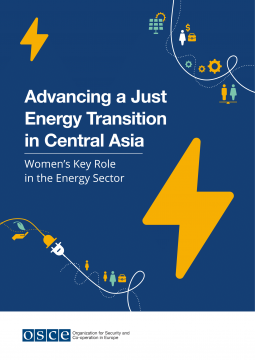
Advancing a Just Energy Transition in Central Asia: Women’s Key Role in the Energy Sector
- 단체 저자
- Организация по безопасности и сотрудничеству в Европе (ОБСЕ)Global Women’s Network for the Energy Transition (GWNET)
- 형태사항
- 56 p.
- 원래 언어
- 영어러시아어
- 발행 연도
- 2024
The OSCE study analyzes the socio-economic benefits of the energy transition for the five OSCE participating States in the region. It provides specific considerations for the strategic development of an appropriately skilled labour force and also contains critical yet unpublished data on the job creation potential of renewable energy in each Central Asian country.
관련 자료
-
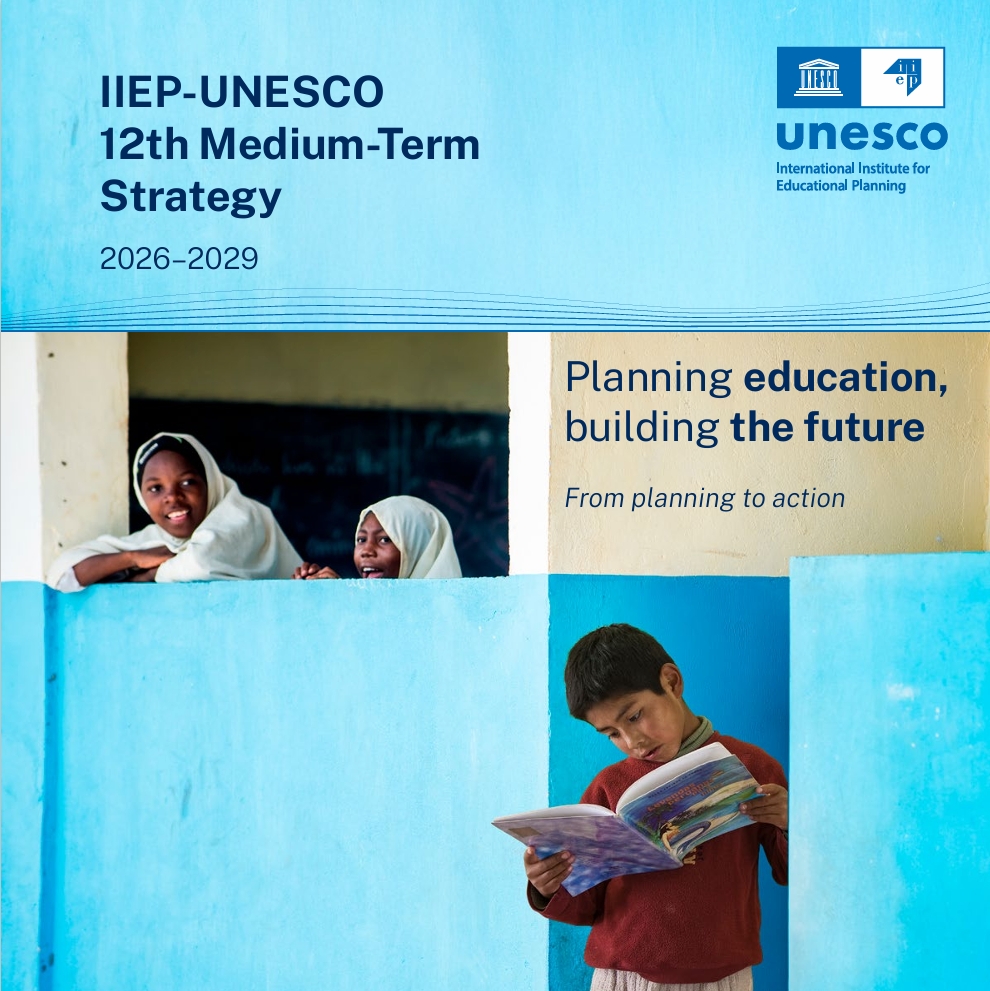 IIEP-UNESCO 12th Medium-Term Strategy: 2026–2029
 -
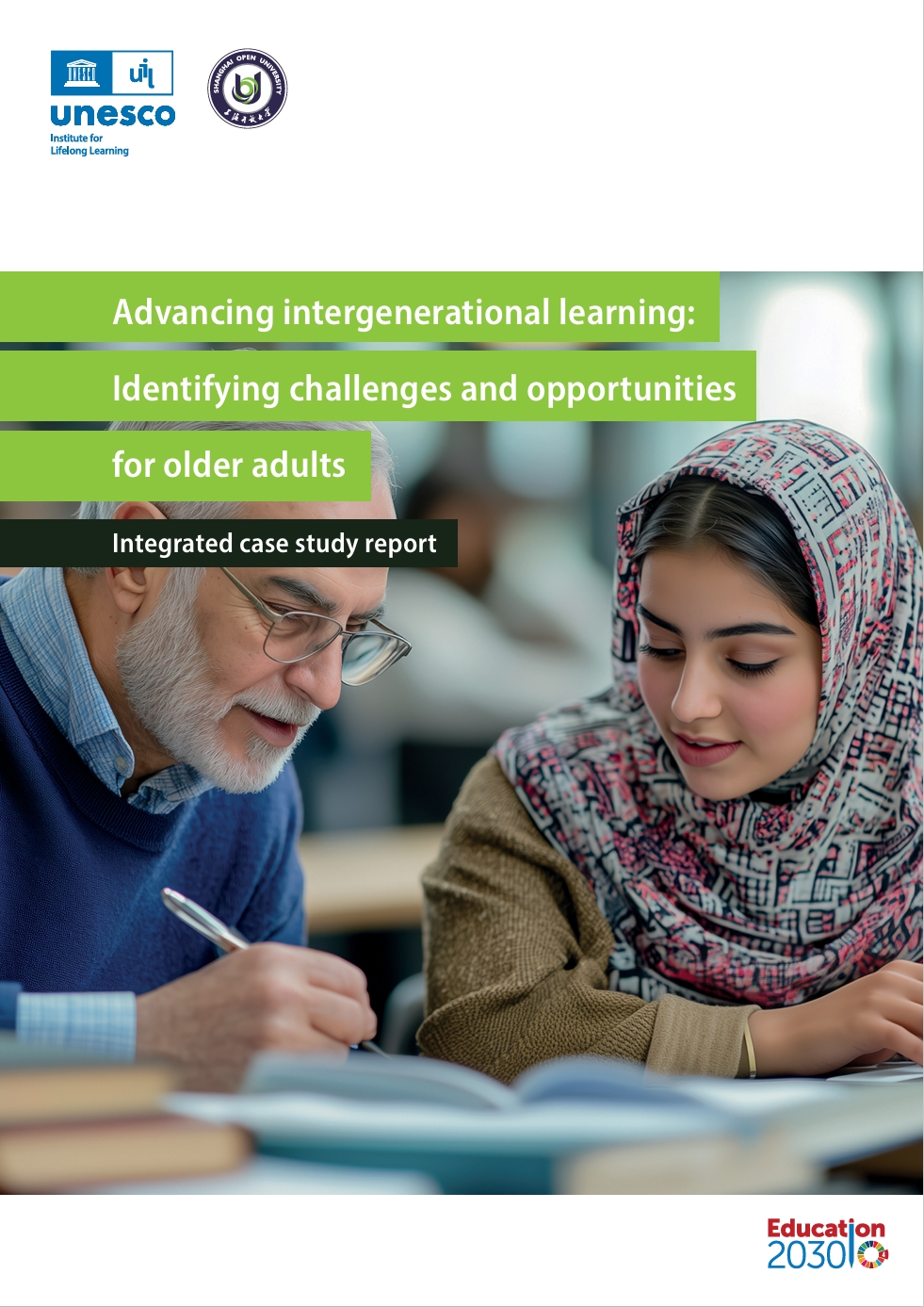 Advancing Intergenerational Learning: Identifying Challenges and Opportunities for Older Adults; Integrated Case Study Report
 -
 Digital Empowerment for Lifelong Learning and Transformative Andragogy (DELTA) for Adult Educators: Introduction to the DELTA Framework and Resources
 -
 Bridging the Grey Digital Divide: Enhancing ICT Learning for Older Adults; Research Report