
Citizenship education: does it have a place in the curriculum?
- 저자
- Carol Mutch
- 단체 저자
- NZCER Press
- 형태사항
- 22p
- 원래 언어
- 영어
- 발행 연도
- 2005
The call for citizenship education as a compulsory part of the curriculum has met with a varied response worldwide. While everyone would espouse the ideals of ensuring our young people grow up to be active and fair-minded citizens, why does citizenship education not figure more prominently in our curriculum?
This article discusses the past, present, and possible future of citizenship education in the New Zealand curriculum.
관련 자료
-
 Report on Digital Transformation in Higher Education in South Asia
 -
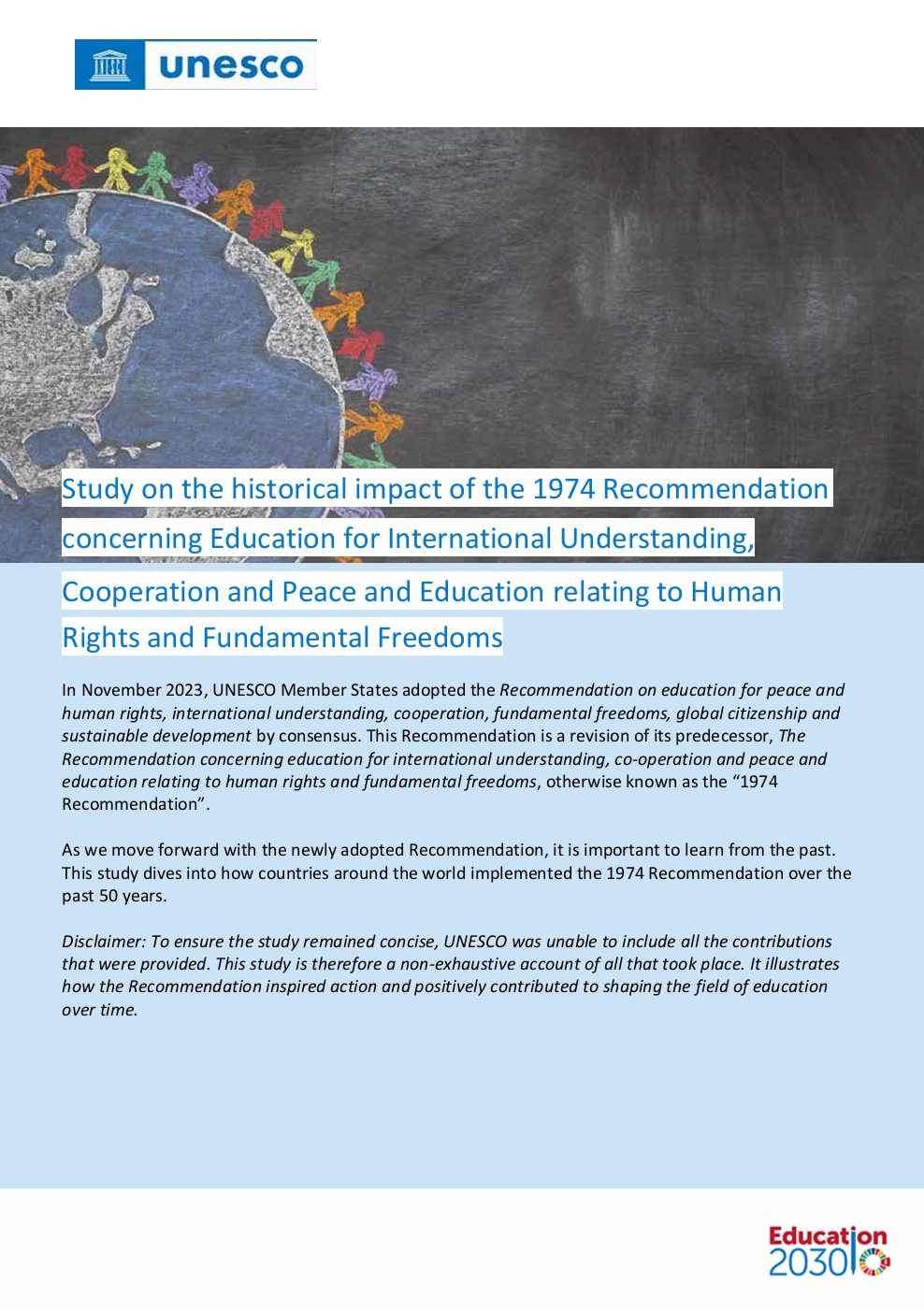 Study on the Historical Impact of the 1974 Recommendation concerning Education for International Understanding, Cooperation and Peace and Education relating to Human Rights and Fundamental Freedoms
 -
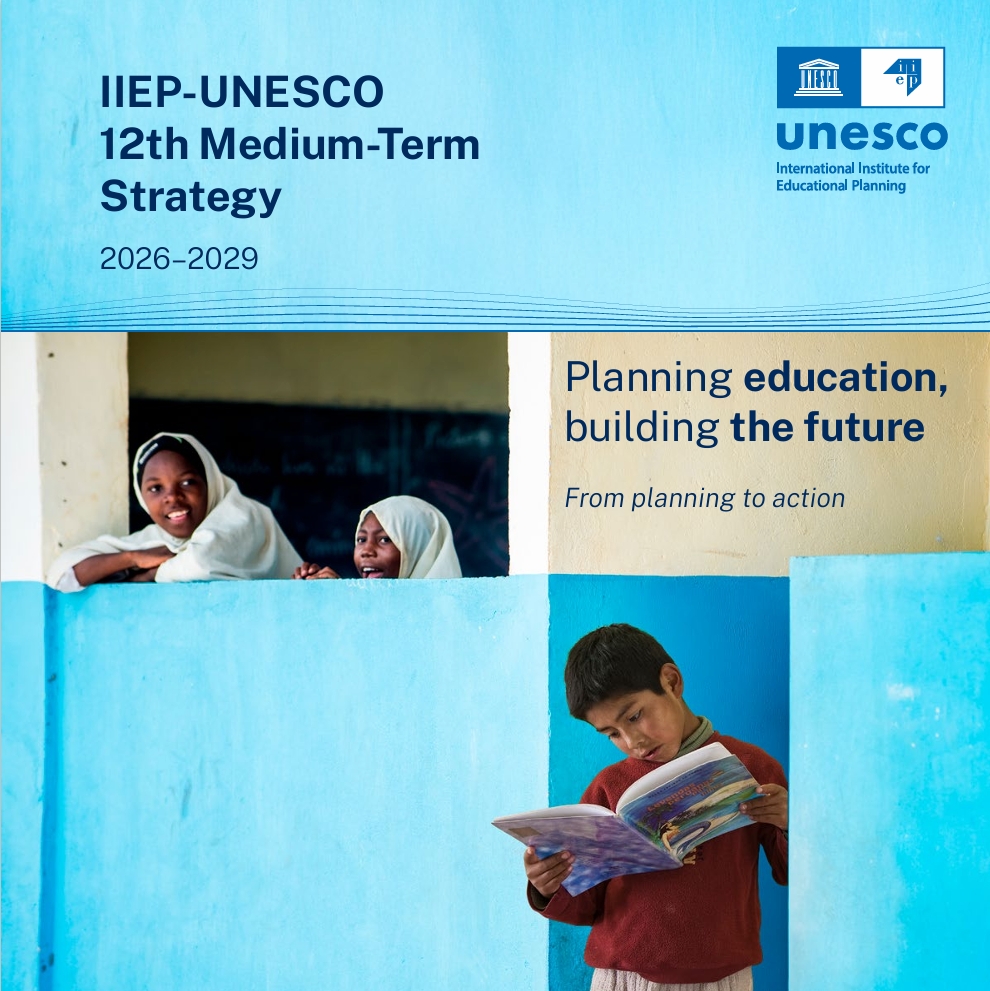 IIEP-UNESCO 12th Medium-Term Strategy: 2026–2029
 -
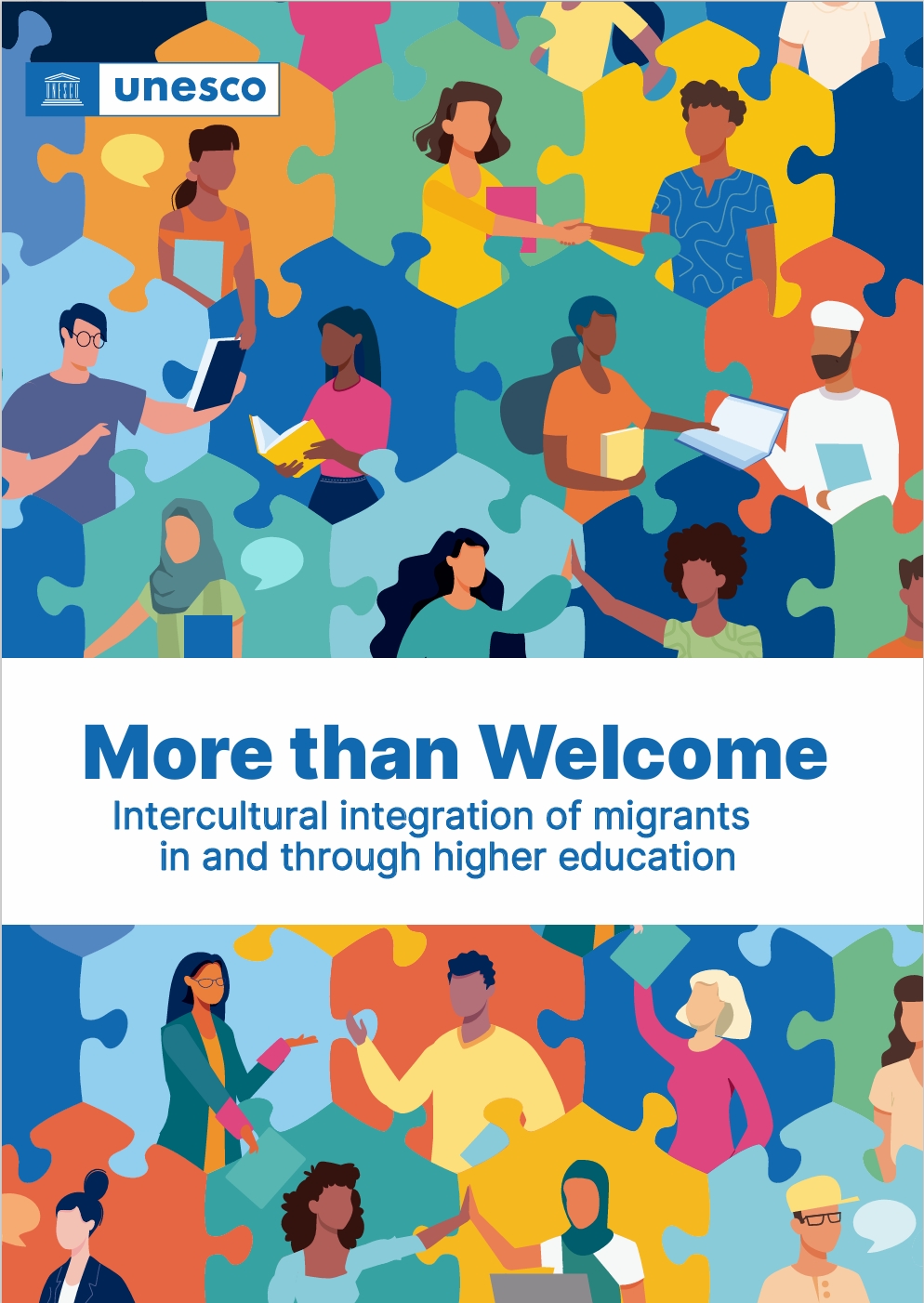 More than Welcome: Intercultural Integration of Migrants in and Through Higher Education