
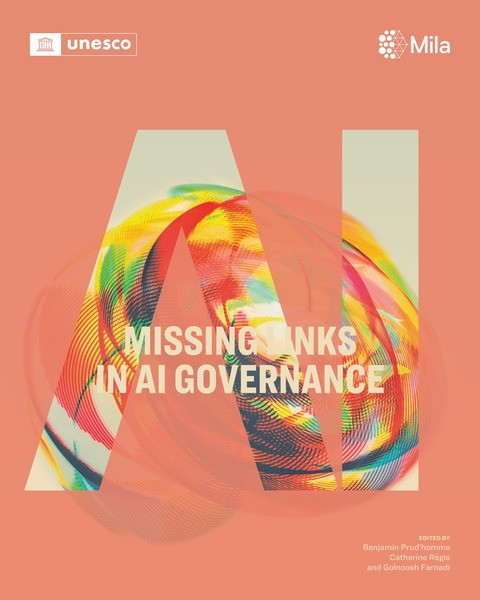
Missing Links in AI Governance
- Корпоративный автор
- Организация Объединенных Наций по вопросам образования, науки и культуры (UNESCO)Mila – Quebec Artificial Intelligence Institute
- ISBN
- ISBN 978-92-3-100579-4 (eng); ISBN 978-92-3-200285-3 (fre)
- Колляция
- 362 p.
- Язык ресурса
- АнглийскийФранцузский
- Год публикации
- 2023
- Ключевые слова
- Artificial intelligenceEthics of technologyGovernanceDemocracyIntelligence artificielleEthique de la technologieDémocratieDroits de l'homme
- Тема
- Гражданственность / Гражданство / ДемократияПрава человекаМедийная и информационная грамотность / Цифровое гражданство
- Тип ресурса
- Исследовательские работы / журнальные статьи
- Уровень образования
- Раннее детское развитие, уход и образованиеНачальное образованиеСреднее образованиеВысшее образованиеОбучение на протяжении всей жизниТехническое и профессиональное образование и обучениеНеформальное образование
- Регион
- Глобальный
- Место публикации
- Paris; Montréal
Over the next decade, Artificial Intelligence (“AI”) will continue to significantly impact societies. While these scientific and technological advances take place at an extraordinary pace, it is necessary that we simultaneously stimulate a global and inclusive conversation around their development and governance.
It is in this context that Mila and UNESCO join forces to steer a collective work to identify and understand missing links in AI governance. This publication is a compilation of 18 selected submissions from a global open call for proposals launched in 2021. The works featured cross disciplinary and geographical boundaries, and include the perspectives of academics, civil society representatives, and innovators to help shift the conversation on AI from what we do know and foresee to what we do not, the missing links. The topics covered are wide ranging, including AI and Indigenous rights, Deepfakes, Third-Party Audits of AI Systems, AI alignment with SDGs, and the centralization of decision-making power AI allows.
Policymakers and civil society members will benefit from the insightful perspectives brought forward to face the immense task they are presented with – which is to ensure the development of AI in a human-centred, responsible and ethical way, in accordance with human rights.
Связанные ресурсы
-
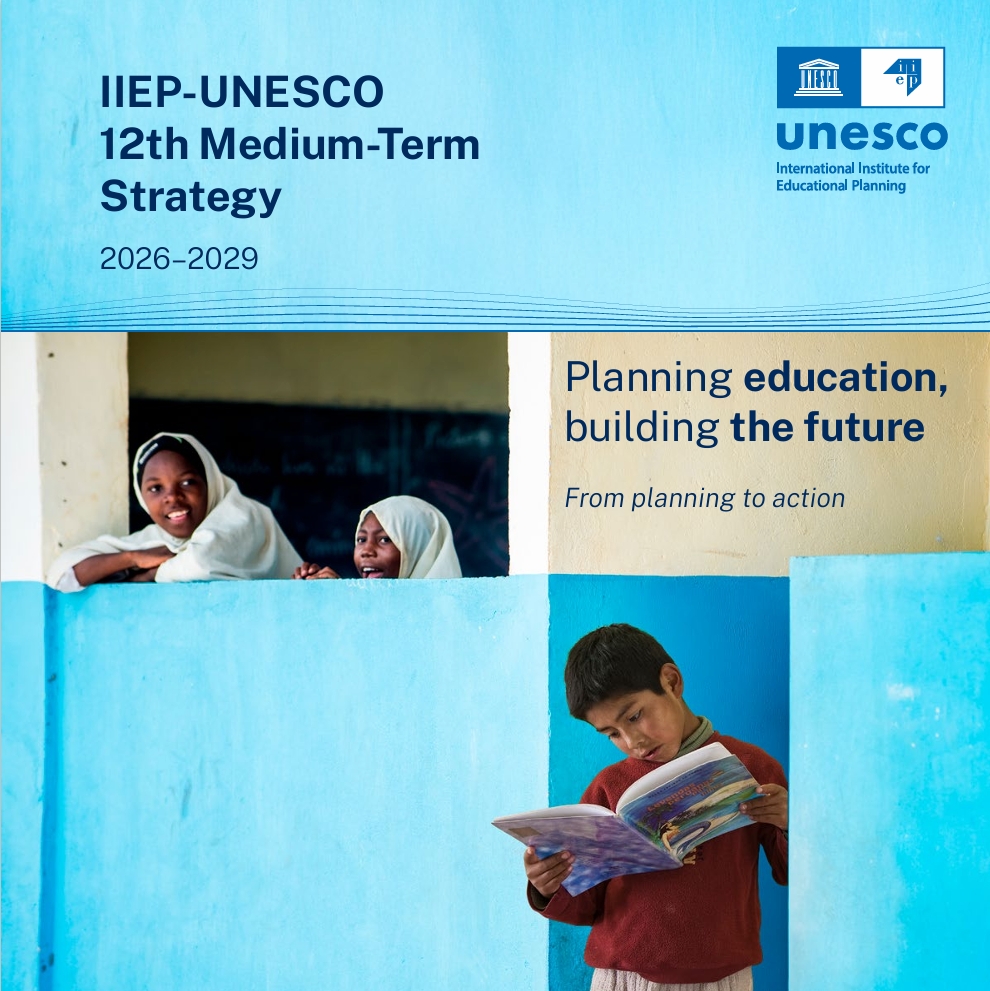 IIEP-UNESCO 12th Medium-Term Strategy: 2026–2029
 -
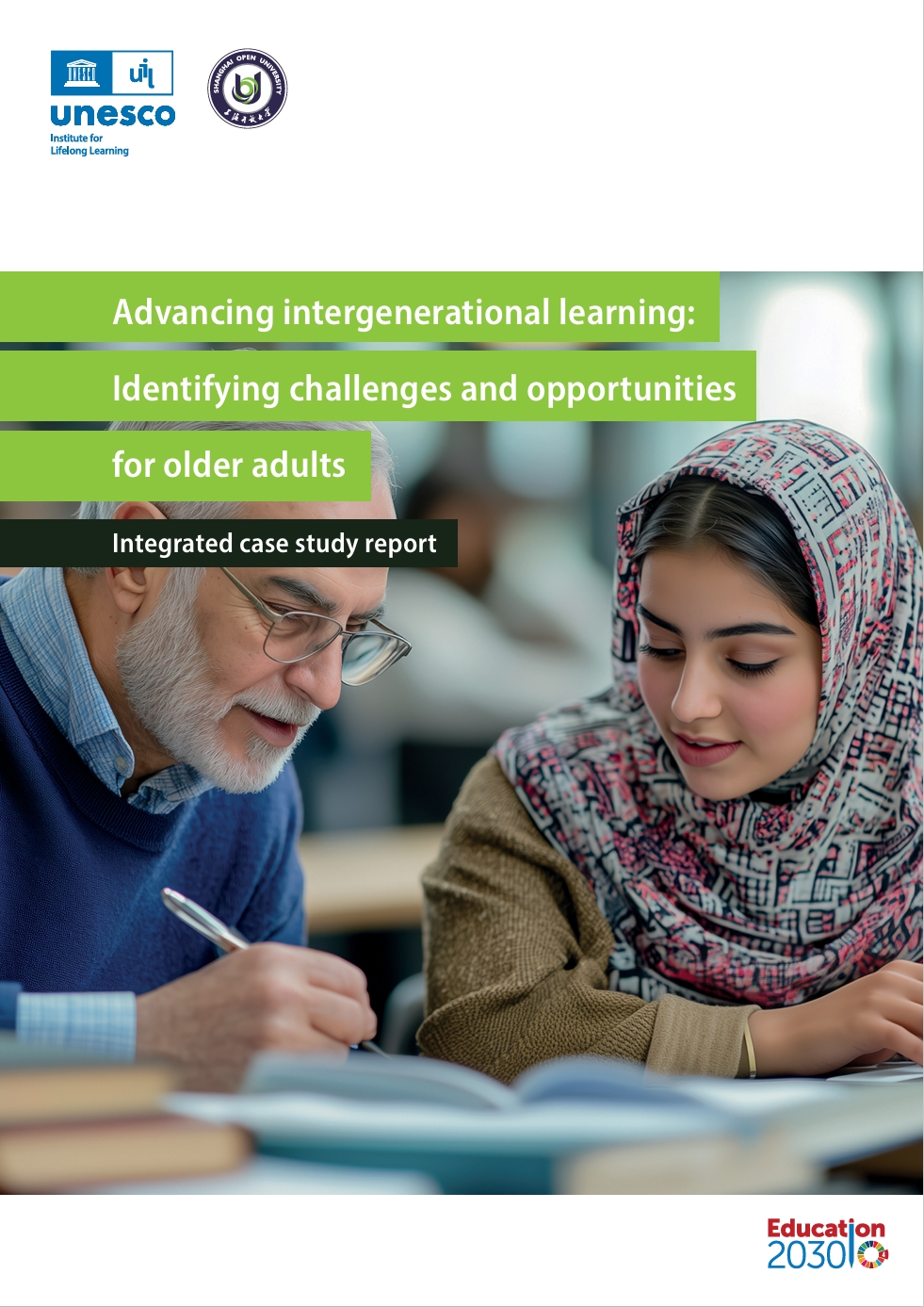 Advancing Intergenerational Learning: Identifying Challenges and Opportunities for Older Adults; Integrated Case Study Report
 -
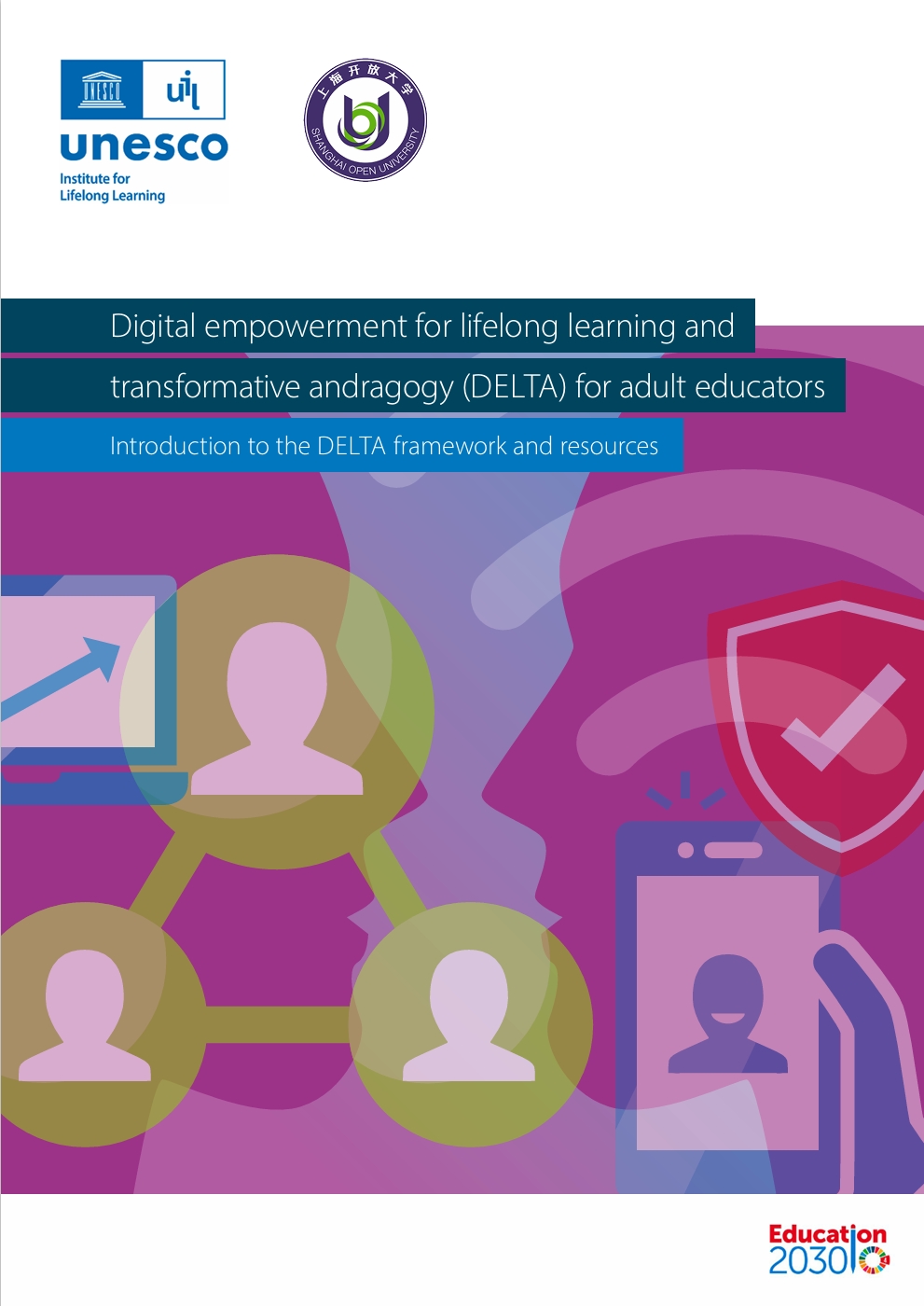 Digital Empowerment for Lifelong Learning and Transformative Andragogy (DELTA) for Adult Educators: Introduction to the DELTA Framework and Resources
 -
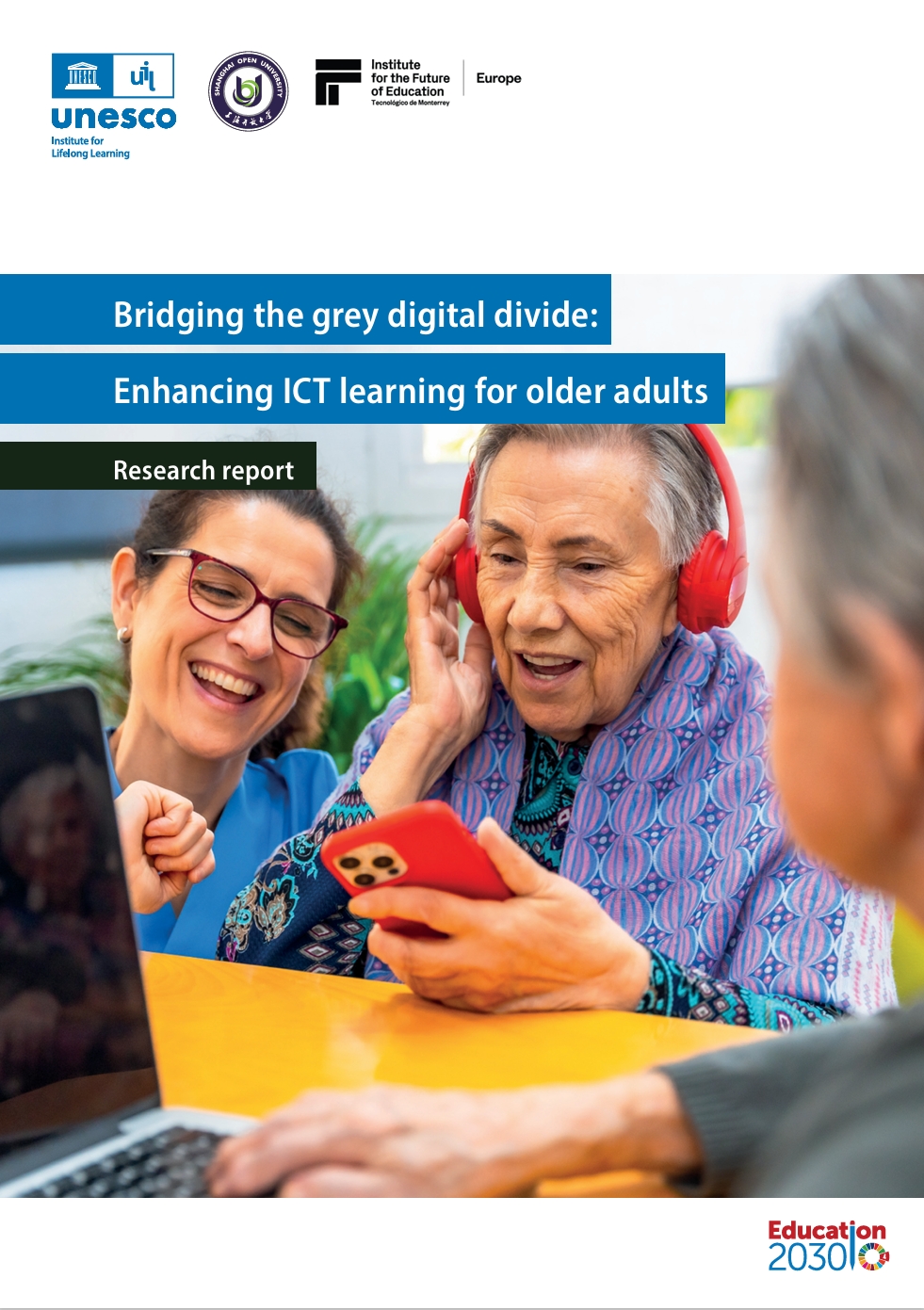 Bridging the Grey Digital Divide: Enhancing ICT Learning for Older Adults; Research Report