
Asia and the Pacific SDG Progress Report 2025: Engaging Communities to Close the Evidence Gap
- Корпоративный автор
- UN. Economic and Social Commission for Asia and the Pacific (UN. ESCAP)
- ISBN
- ISBN 9789210034739 (Print); ISBN 9789211071559 (PDF); ISSN 2618-1053 (Print); ISSN 2618-1061 (Online)
- Колляция
- xii, 88 p.
- Язык ресурса
- Английский
- Год публикации
- 2025
- Ключевые слова
- Health indicatorsPovertyEducational indicatorsFood statisticsWater statisticsEnergy statisticsEconomic statisticsTransport statisticsМирGender statisticsTransport infrastructure
- Тема
- Гражданственность / Гражданство / ДемократияРазнообразие / Культурная грамотность / ИнклюзивностьПрава человекаГлобализация и социальная справедливость / Международное взаимопониманиеМир / Культура мираПредотвращение насильственного экстремизма и геноцидаУстойчивое развитие / Устойчивость
- Уровень образования
- Раннее детское развитие, уход и образованиеНачальное образованиеСреднее образованиеВысшее образованиеОбучение на протяжении всей жизниТехническое и профессиональное образование и обучениеНеформальное образование
- Регион
- Азия и Тихоокеанский регион
- Место публикации
- Bangkok
The SDG progress report 2025 presents the latest data and insights on progress toward the Sustainable Development Goals (SDGs) in the Asia-Pacific region. While celebrating regional achievements, it also highlights persistent challenges—such as climate change, natural disasters, and critical data gaps—that risk leaving marginalized communities behind. By showcasing innovative community-level partnerships, the report explores how local efforts can help bridge the evidence gap, ensuring that progress toward the SDGs is inclusive and leaves no one behind.
Связанные ресурсы
-
 IIEP-UNESCO 12th Medium-Term Strategy: 2026–2029
 -
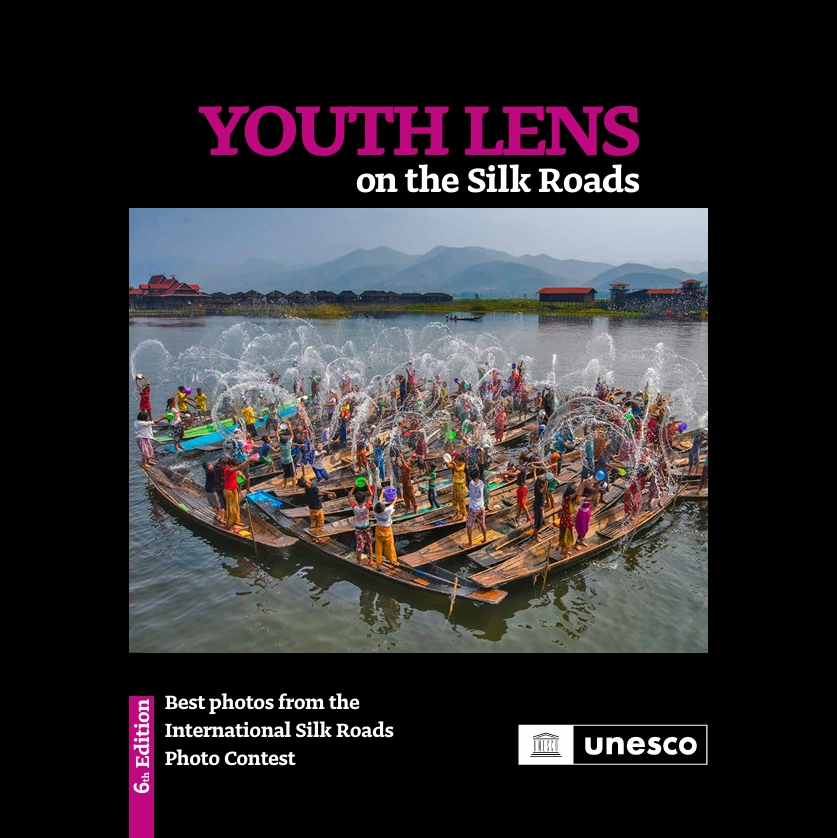 Youth Lens on the Silk Roads: Best Photos from the International Silk Roads Photo Contest; 6th Edition
 -
 Advancing Intergenerational Learning: Identifying Challenges and Opportunities for Older Adults; Integrated Case Study Report
 -
 Digital Empowerment for Lifelong Learning and Transformative Andragogy (DELTA) for Adult Educators: Introduction to the DELTA Framework and Resources