
Toward one world or many? A comparative analysis of OECD and UNESCO global education policy documents
- Колляция
- 68-86 p.
- Язык ресурса
- Английский
- Год публикации
- 2019
- Ключевые слова
- Политика в области образованияGlobal citizenship
- Тема
- Глобализация и социальная справедливость / Международное взаимопониманиеУстойчивое развитие / Устойчивость
- Тип ресурса
- Исследовательские работы / журнальные статьи
- Уровень образования
- Раннее детское развитие, уход и образованиеНачальное образованиеСреднее образованиеВысшее образованиеОбучение на протяжении всей жизниТехническое и профессиональное образование и обучениеНеформальное образованиеДругое
- Регион
- Глобальный
- Место публикации
- London
Education policymaking has gone global. The 2030 Agenda for Sustainable Development aims to galvanize efforts to promote sustainable development, decrease global inequalities, and realize universal quality education. Supporting these efforts, two leading international organizations, UNESCO and the OECD, have set out normative frameworks for their vision of global education. This paper examines the policy discourses of these organizations in light of SDG 4–Education. Specifically, through a comparative analysis of selected terms and underlying concepts in key policy documents, the paper distinguishes between UNESCO's notion of global citizenship and the OECD's framework for global competence. Ultimately, the authors discuss whether the organizations' agendas are aimed at a common global vision, or, alternatively, towards two distinct and divergent conceptualizations of an imagined future.
Связанные ресурсы
-
 IIEP-UNESCO 12th Medium-Term Strategy: 2026–2029
 -
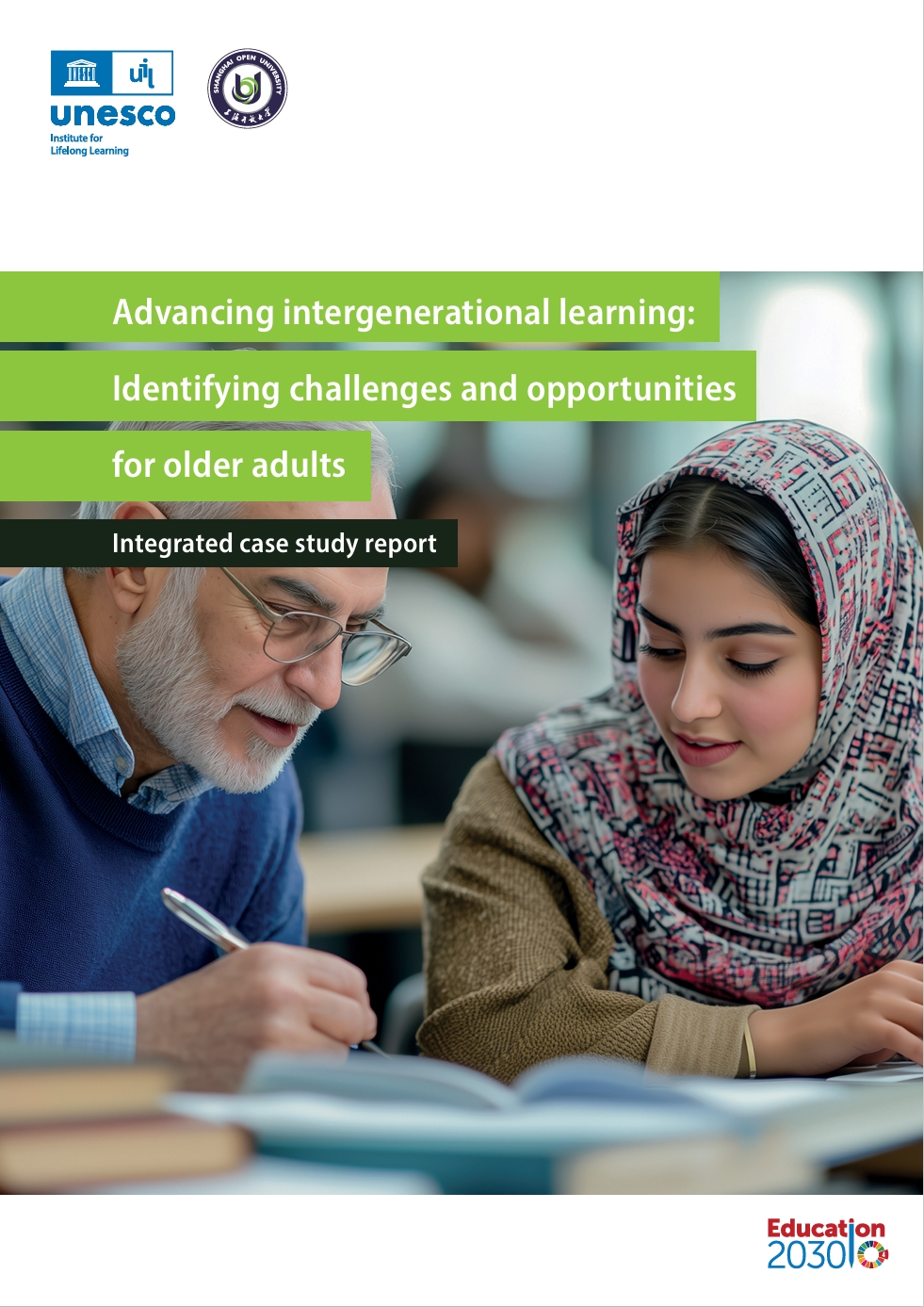 Advancing Intergenerational Learning: Identifying Challenges and Opportunities for Older Adults; Integrated Case Study Report
 -
 Digital Empowerment for Lifelong Learning and Transformative Andragogy (DELTA) for Adult Educators: Introduction to the DELTA Framework and Resources
 -
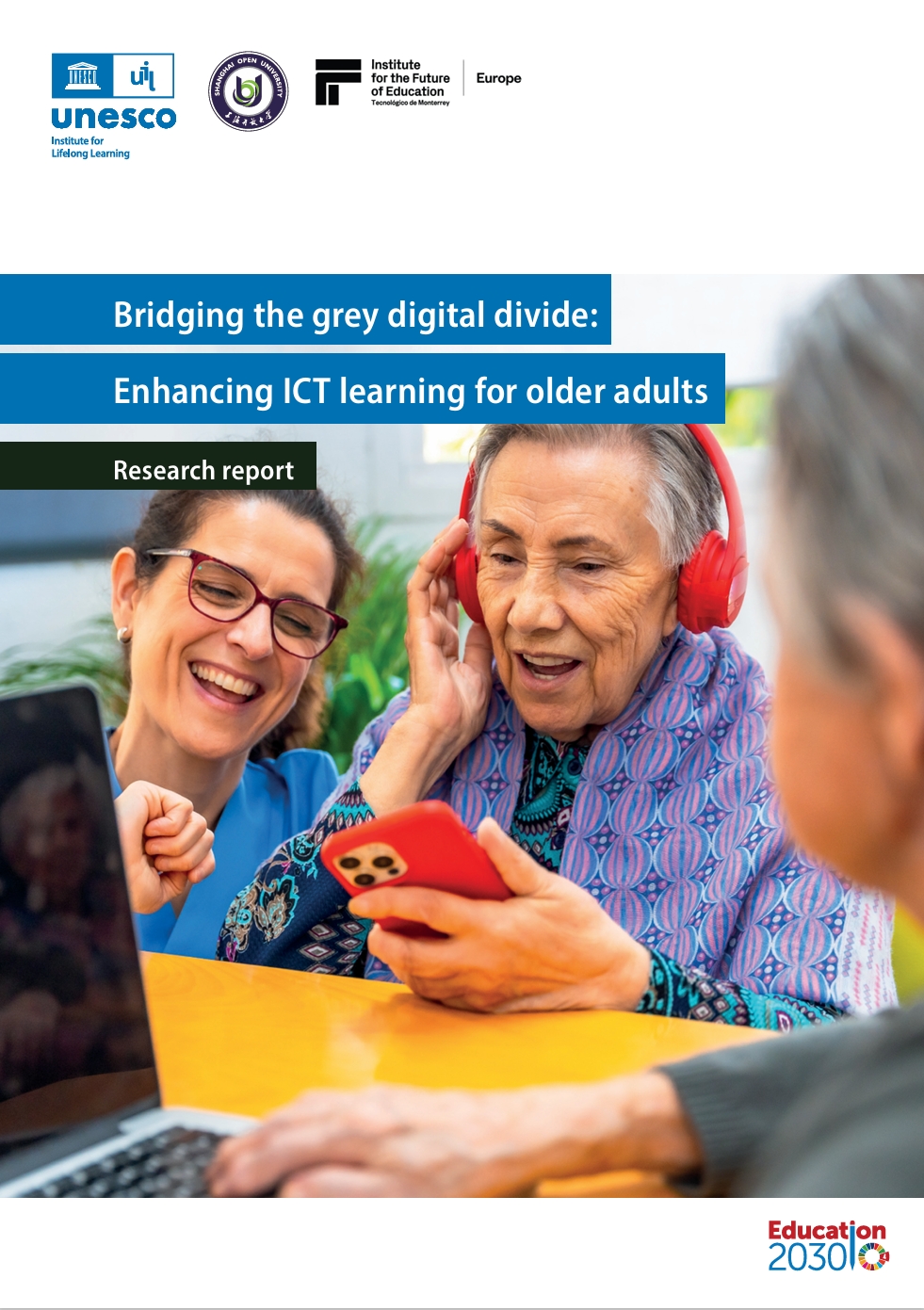 Bridging the Grey Digital Divide: Enhancing ICT Learning for Older Adults; Research Report