
Inaugural Meeting of the GCED Actors' Platform: Final Report
- Корпоративный автор
- Азиатско-тихоокеанский центр по воспитанию в духе международного взаимопонимания (APCEIU)
- Колляция
- 37 p.
- Язык ресурса
- Английский
- Год публикации
- 2020
- Тема
- Гражданственность / Гражданство / ДемократияГлобализация и социальная справедливость / Международное взаимопониманиеРазнообразие / Культурная грамотность / ИнклюзивностьУстойчивое развитие / УстойчивостьТрансформационные инициативы / Трансформационные педагогики
- Тип ресурса
- Доклады конференций и программ
- Уровень образования
- Раннее детское развитие, уход и образованиеНачальное образованиеСреднее образование
- Регион
- АфрикаАрабские государстваАзия и Тихоокеанский регионЕвропа и Северная АмерикаЛатинская Америка и Карибский бассейнГлобальный
- Место публикации
- Seoul
This final report gives an overview of discussions and outcomes from the “Inaugural Meeting of the GCED Actors’ Platform” on 2 September 2019 in Seoul, Republic of Korea, held back-to-back with the 4th International Conference on GCED (3-4 September 2019, Seoul) In line with the call for closer collaboration on GCED inter-regionally, the GCED Actors’ Platform was launched by UNESCO Headquarters and APCEIU in 2019. Convening regional coordinators and different partners working on GCED, the “Inaugural Meeting of the GCED Actors’ Platform” provided an open space for the participants to discuss ways to coordinate activities and promote synergies.
The regional representatives have imparted their own experiences and challenges on the ground and shared best practices of facilitating GCED.
Связанные ресурсы
-
 Study on the Historical Impact of the 1974 Recommendation concerning Education for International Understanding, Cooperation and Peace and Education relating to Human Rights and Fundamental Freedoms
 -
 IIEP-UNESCO 12th Medium-Term Strategy: 2026–2029
 -
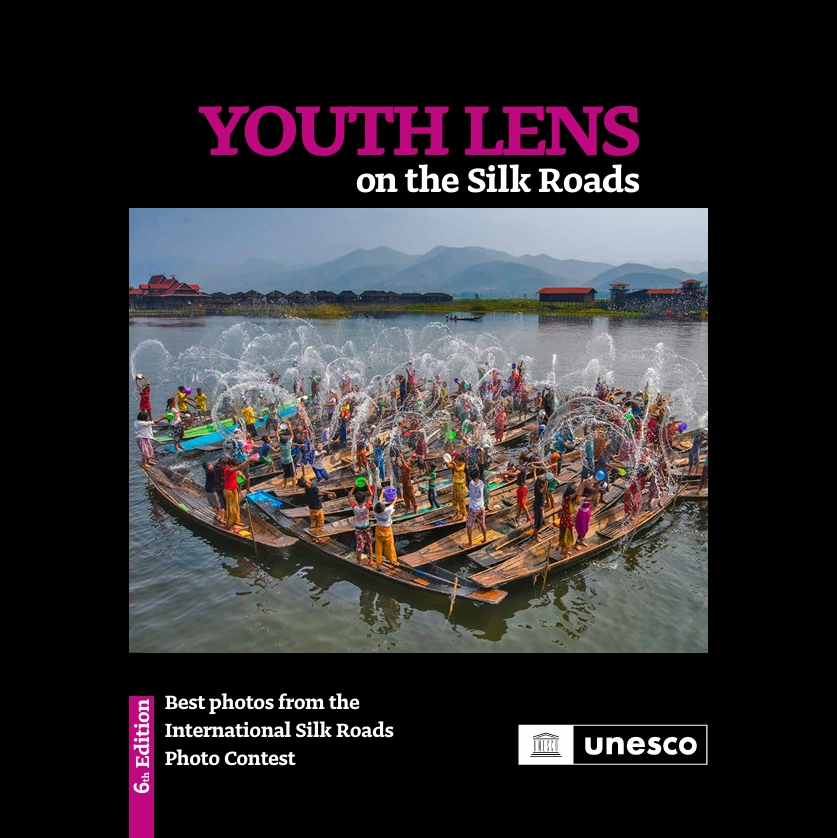 Youth Lens on the Silk Roads: Best Photos from the International Silk Roads Photo Contest; 6th Edition
 -
 More than Welcome: Intercultural Integration of Migrants in and Through Higher Education