
Uzbekistan: Why Should the State Weaken Control Over the Institute of Makhalla?
- 作者
- Kodir Kuliev
- 机构作者
- Central Asian Bureau for Analytical Reporting (CABAR)Institute for War and Peace Reporting (IWPR)
- 载体形态
- html
- 资源语言
- 俄语
- 出版年份
- 2019
- 资源类型
- 研究论文 / 学术期刊文章
- 出版地
- Ташкент
One of the vital conditions for the functioning of democracy in any society is the existence of citizens’ self-governing bodies (CSB) within that system. In Uzbekistan, such social responsibility is assumed by “mahalla” – the Uzbek citizens’ self-governing institution. Since the beginning of 2017 Uzbekistan has been carrying out large-scale reforms. Important laws and regulations are being adopted, which should create favorable conditions for quality life and ensure freedom for the Uzbek people. With mahallas, however, such positive change in the long-run seems to be just a lip-service. The main challenges mahallas are facing today are, inter alia, obscured freedom they have in ruling themselves and controlling their own affairs and incapability to effectively tackle citizens’ problems, thus leaving people’s trust unjustified.
相关资源
-
 IIEP-UNESCO 12th Medium-Term Strategy: 2026–2029
 -
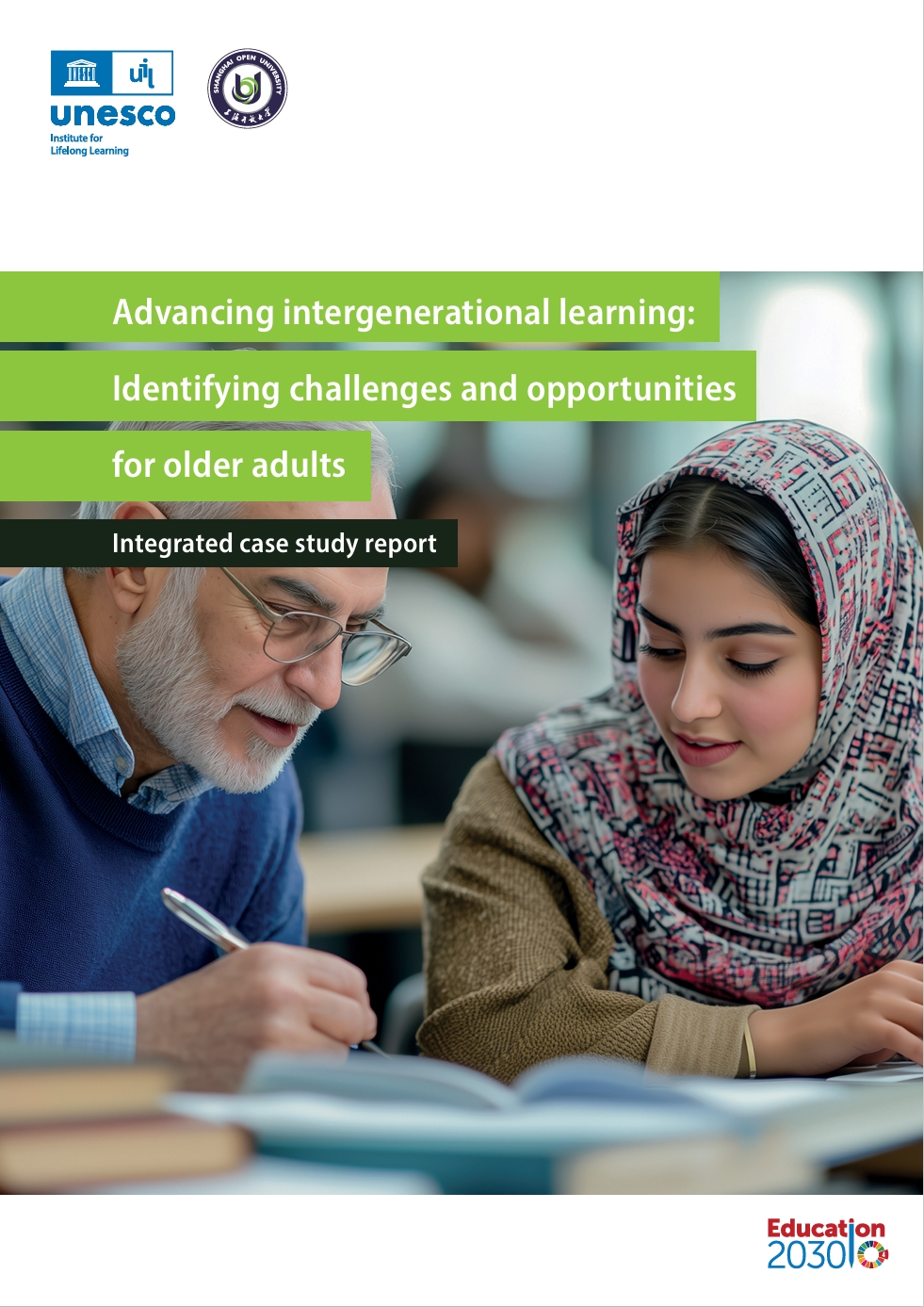 Advancing Intergenerational Learning: Identifying Challenges and Opportunities for Older Adults; Integrated Case Study Report
 -
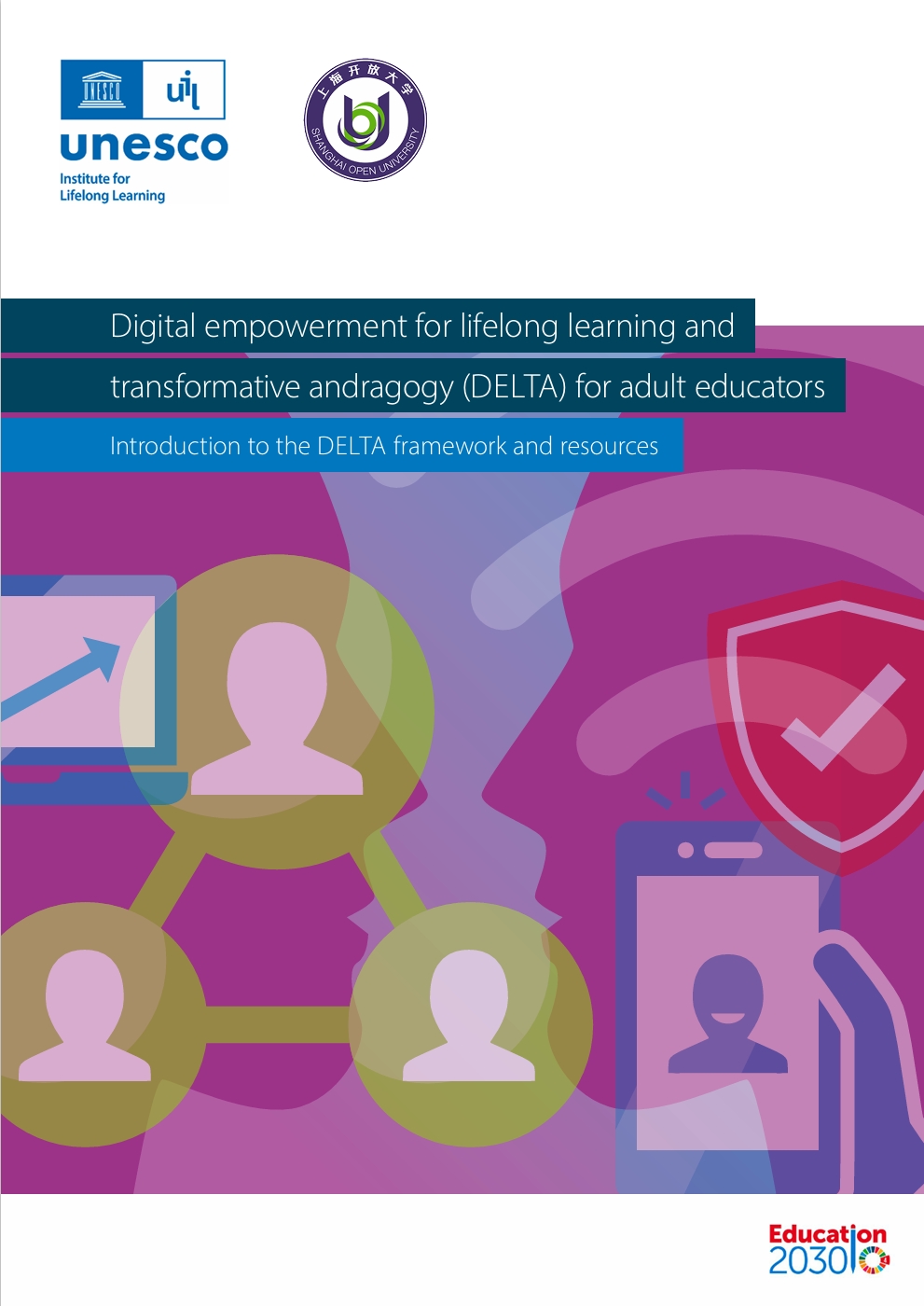 Digital Empowerment for Lifelong Learning and Transformative Andragogy (DELTA) for Adult Educators: Introduction to the DELTA Framework and Resources
 -
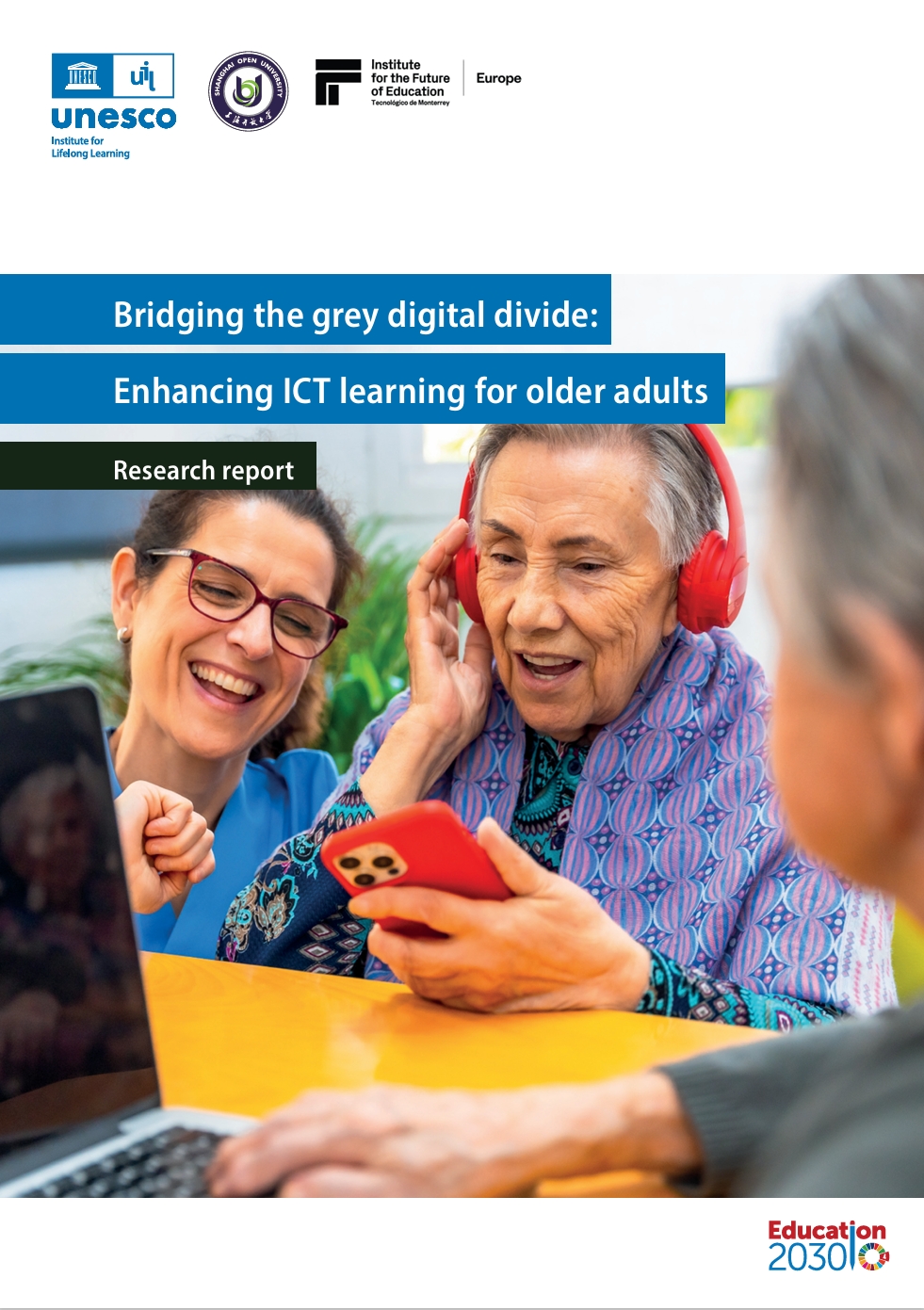 Bridging the Grey Digital Divide: Enhancing ICT Learning for Older Adults; Research Report