
© UNESCO 2025
الإرشادات التوجيهية لتخضير مناهج التعليم والتعلّم من أجل العمل المناخيّ
- المؤلف المؤسسي
- منظمة الأمم المتحدة للتربية والعلم والثقافة (UNESCO)
- ISBN
- ISBN 978-92-3-100685-2
- الترتيب
- 182 p.
- لغة المورد
- الإنجليزيةالإسبانيةالعربيةالبرتغالية
- سنة النشر
- 2024
- أنواع الموارد
- المناهج / مواد التدريس والتعلم والأدلة
- مستوى التعليم
- رعاية وتعليم الطفولة المبكرةالتعليم الابتدائيالتعليم الثانويالتعليم العاليالتعلم مدى الحياةالتعليم والتدريب التقني والمهنيالتعليم غير الرسمي
- المناطق
- جميع دول العالم
- مكان النشر
- Paris
This Guidance responds to the calls from young people for a holistic approach to climate change and sustainability in the curriculum. It outlines a common language on how quality climate change and sustainability can be reflected in the curriculum by setting expected learning outcomes per age group (from 5-year olds and up to 18+ age group, including a lifelong learning approach).
This is crucial for accelerating country-level action and ensuring joint monitoring of progress. The objective is to have 90 per cent of all countries include climate change in their curricula by 2030, as established by the Greening Education Partnership.
This Guidance aims to support countries, schools or individual practitioners in reassessing their ongoing practices to adopt a more action-oriented, holistic, scientifically accurate, justice-driven and lifelong learning approach to climate change.
موارد ذات صلة
-
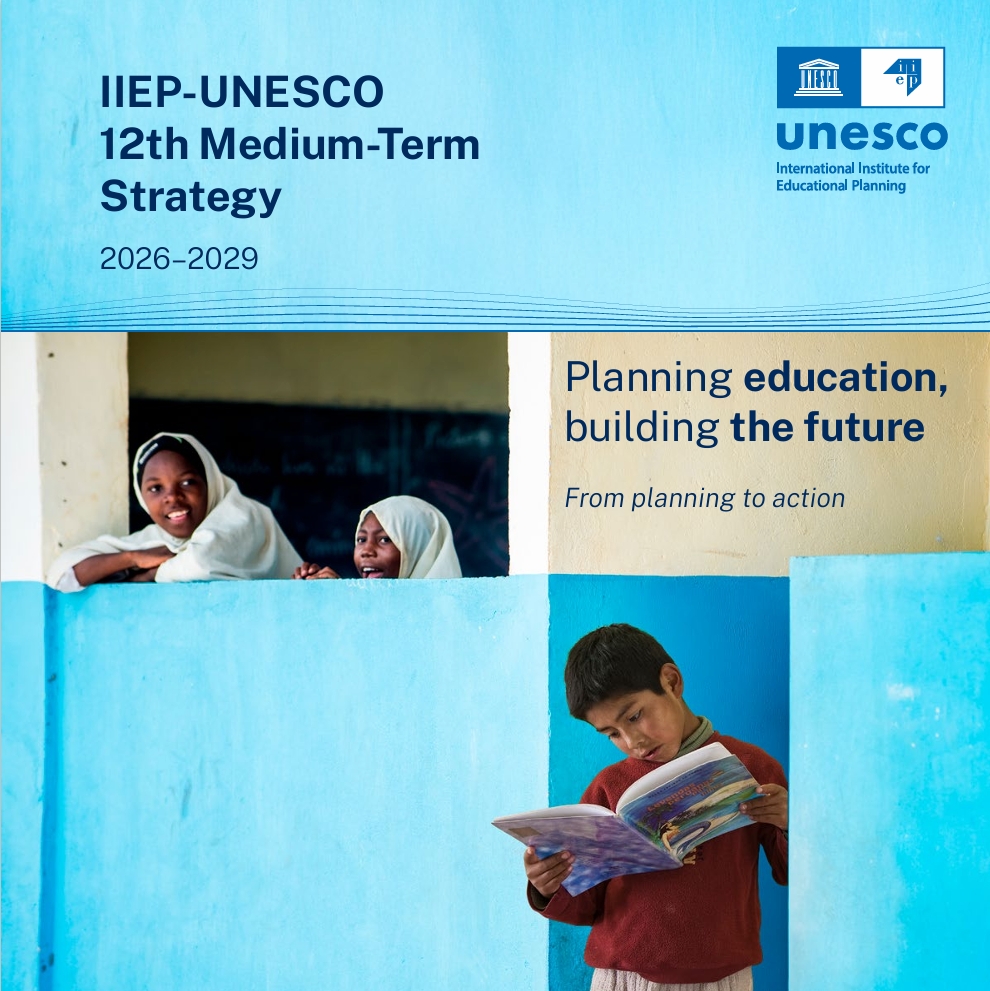 IIEP-UNESCO 12th Medium-Term Strategy: 2026–2029
 -
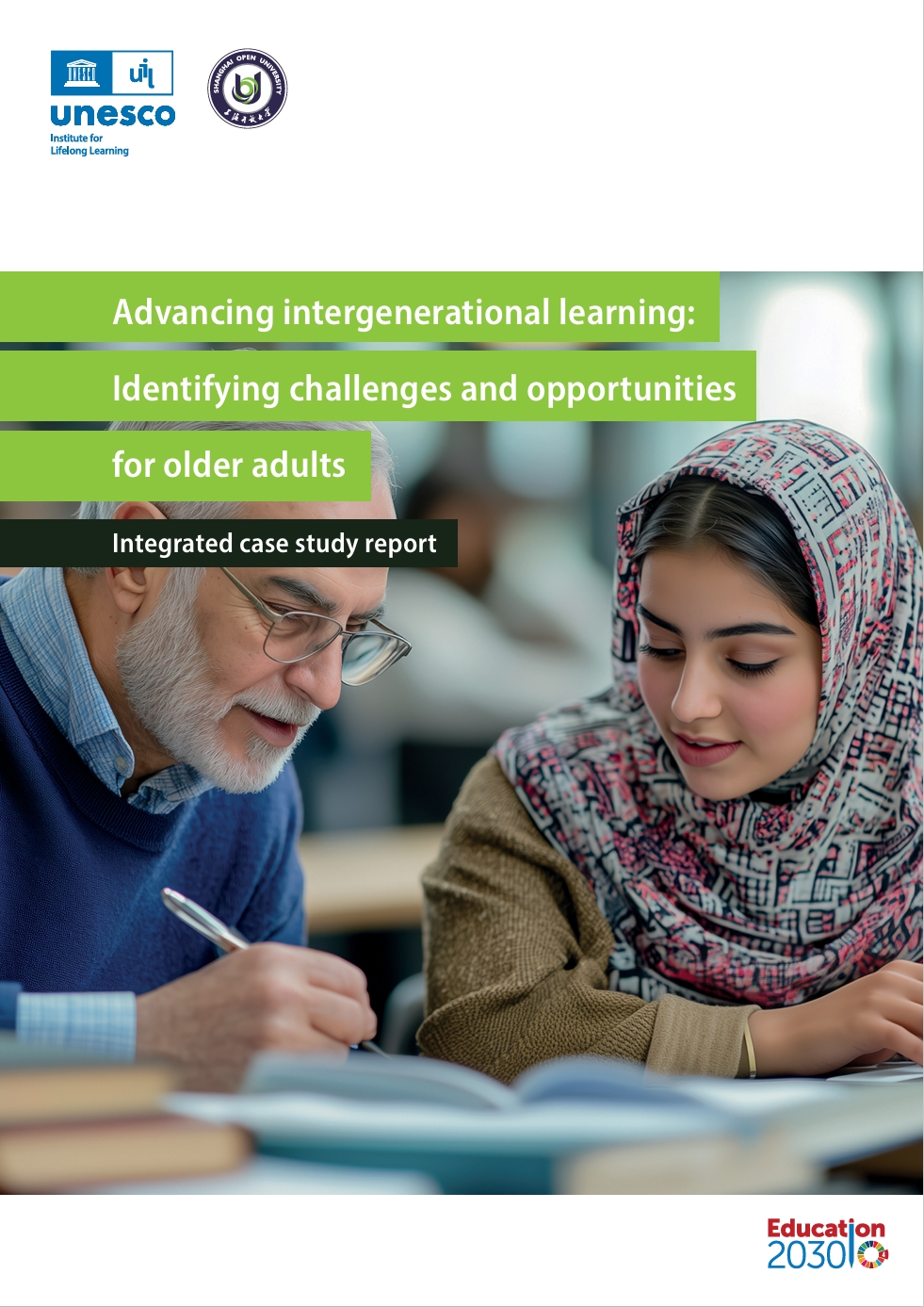 Advancing Intergenerational Learning: Identifying Challenges and Opportunities for Older Adults; Integrated Case Study Report
 -
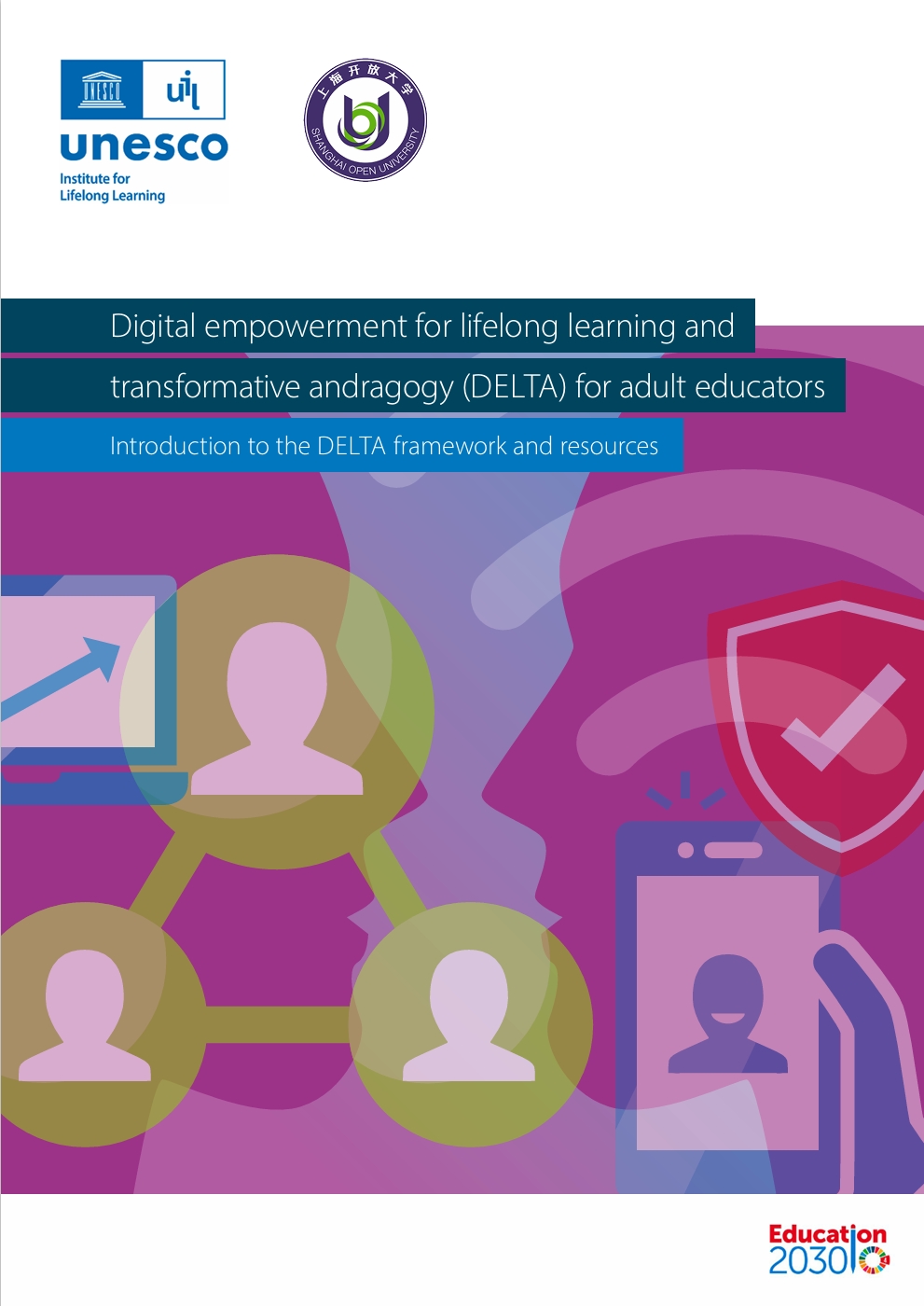 Digital Empowerment for Lifelong Learning and Transformative Andragogy (DELTA) for Adult Educators: Introduction to the DELTA Framework and Resources
 -
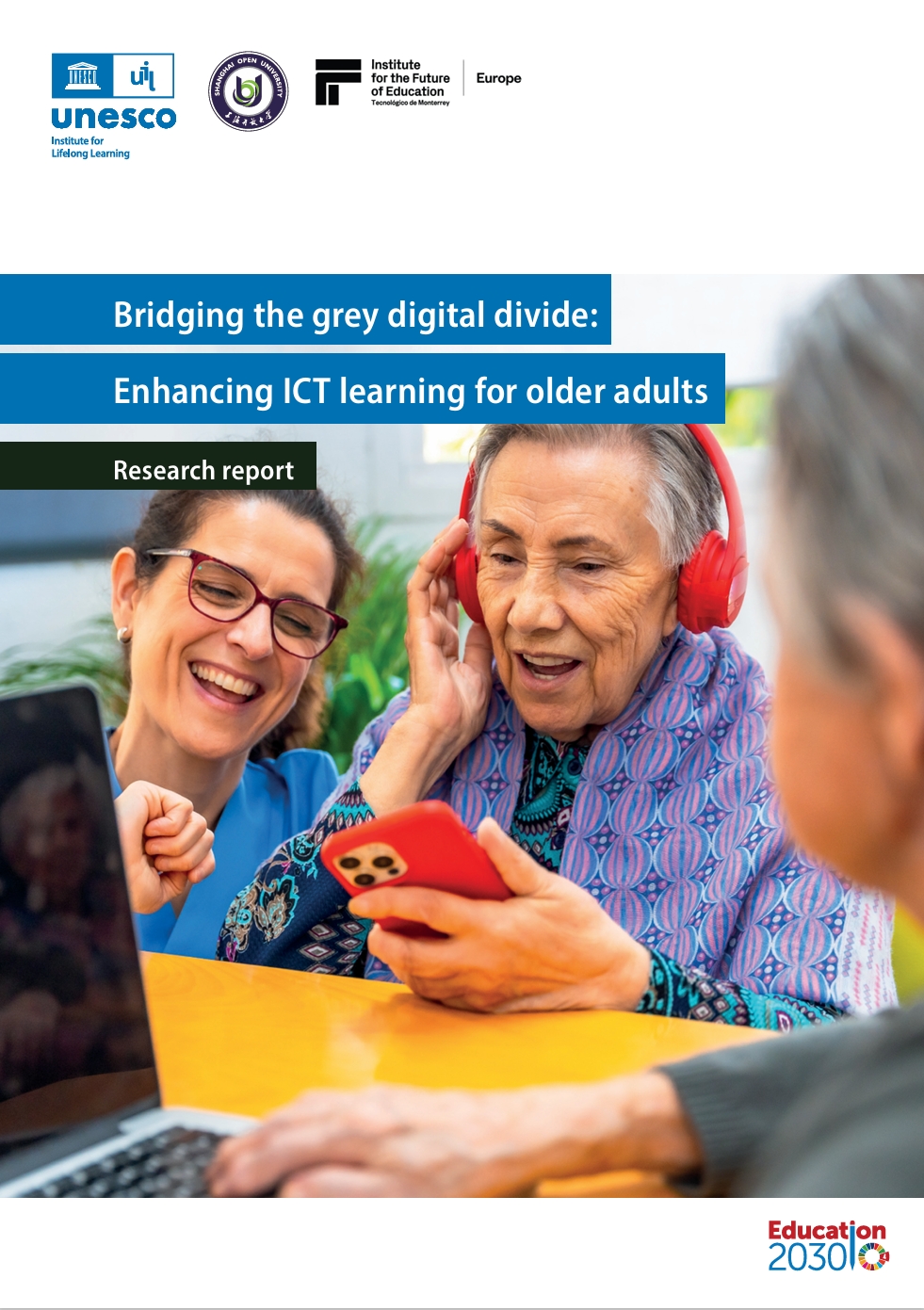 Bridging the Grey Digital Divide: Enhancing ICT Learning for Older Adults; Research Report