
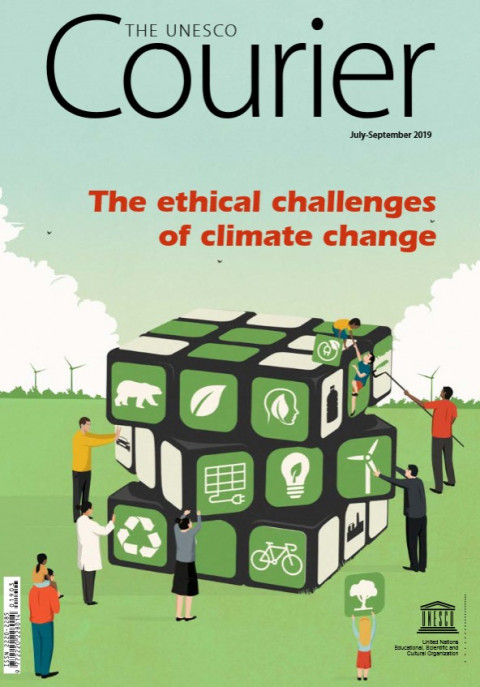
The ethical challenges of climate change (The UNESCO Courier no. 3, July-September 2019)
- المؤلف المؤسسي
- منظمة الأمم المتحدة للتربية والعلم والثقافة (UNESCO)
- ISBN
- ISSN 2220-2285
- الترتيب
- 58 p.
- لغة المورد
- الإنجليزيةالفرنسيةالإسبانية
- سنة النشر
- 2019
- الموضوعات
- التنمية المستدامة / الاستدامةأخرى
- أنواع الموارد
- آخر
- مستوى التعليم
- أخرى
- المناطق
- إفريقياالدول العربيةآسيا والمحيط الهادئأوربا وأمريكا الشماليةأمريكا اللاتينية ومنطقة الكاريبيجميع دول العالم
- مكان النشر
- Paris
Climate change not only threatens our ecosystems, it undermines the foundation of our fundamental rights, deepens inequalities and creates new forms of injustice. Adapting to climate change and trying to mitigate its impacts are not just a matter of scientific knowledge and political will; they also demand a broader view of a complex situation. In order to help Member States and other stakeholders to make appropriate decisions and implement effective policies for sustainable development, adaptation to climate change and the mitigation of its negative effects, UNESCO adopted a Declaration of Ethical Principles in relation to Climate Change in November 2017.Ethics constitute the substantial core of any commitment. As a mobilizing force, ethics can steer action, facilitate arbitration, resolve conflicting interests, and establish priorities. Ethics have the capacity to connect theory with practice, general principles with political will, and global awareness with local actions.
موارد ذات صلة
-
 IIEP-UNESCO 12th Medium-Term Strategy: 2026–2029
 -
 Advancing Intergenerational Learning: Identifying Challenges and Opportunities for Older Adults; Integrated Case Study Report
 -
 Digital Empowerment for Lifelong Learning and Transformative Andragogy (DELTA) for Adult Educators: Introduction to the DELTA Framework and Resources
 -
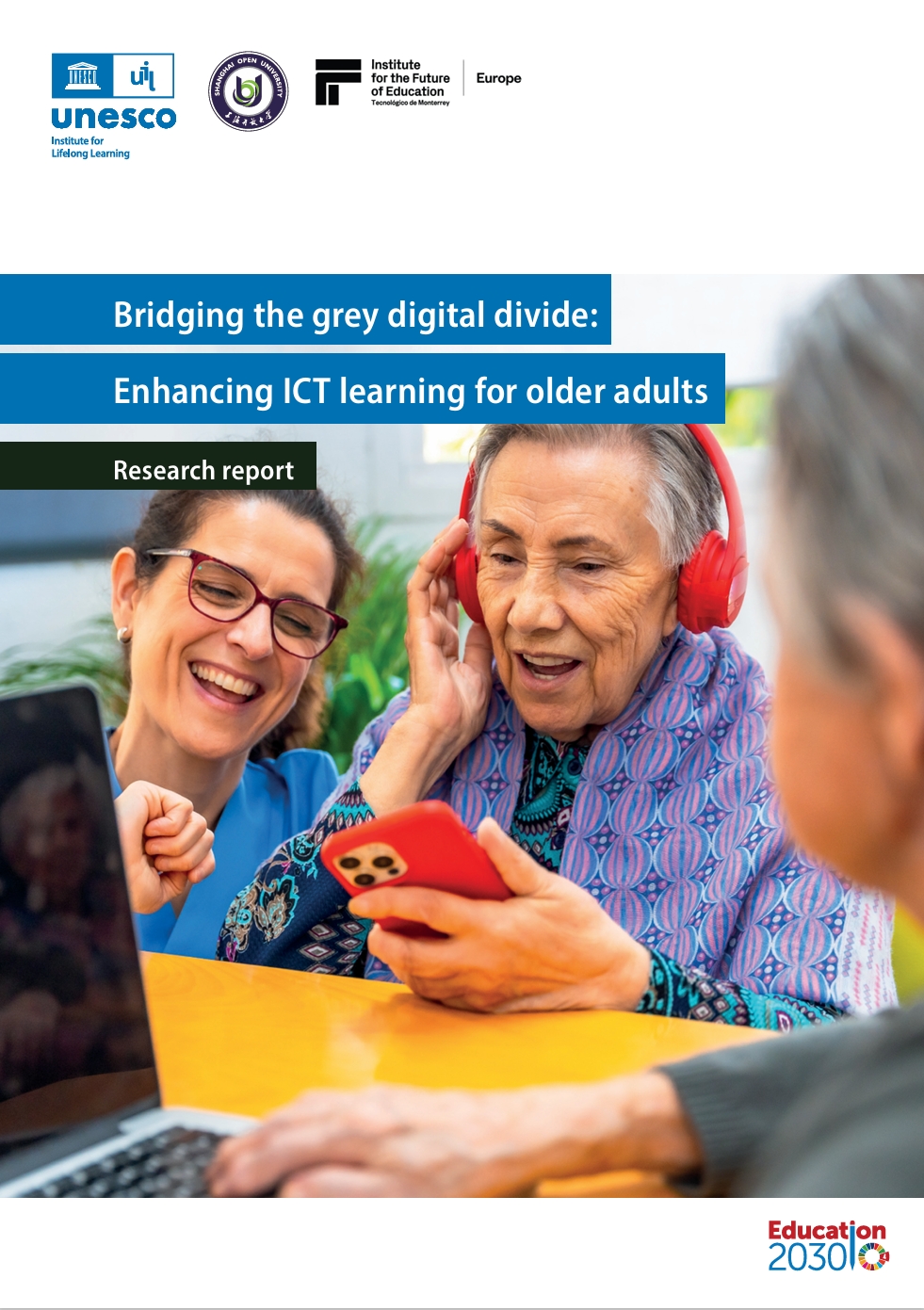 Bridging the Grey Digital Divide: Enhancing ICT Learning for Older Adults; Research Report