
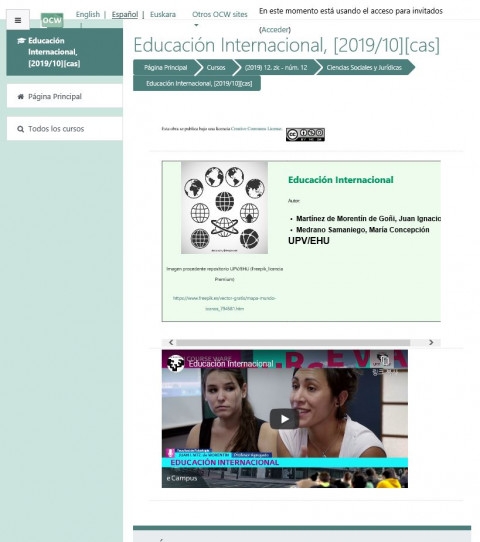
International Education Course
- المؤلف المؤسسي
- UNESCO Chair in Communication and Educational Values
- لغة المورد
- الإسبانية
- سنة النشر
- 2019
- الموضوعات
- المدنية / المواطنة / الديمقراطيةحقوق الإنسانالعولمة والعدالة الاجتماعية / التفاهم الدوليالسلام / ثقافة السلامالتنمية المستدامة / الاستدامةالمبادرات التحويلية / الأساليب التربوية التحويلية
- أنواع الموارد
- المناهج / مواد التدريس والتعلم والأدلةآخر
- مستوى التعليم
- التعليم العاليالتعلم مدى الحياةالتعليم غير الرسمي
- المناطق
- أمريكا اللاتينية ومنطقة الكاريبي
- مكان النشر
- Leioa
UNESCO understands international education as a process resulting from international understanding, cooperation, peace and global citizenship education. This results from combining three perspectives: the first, human rights--in a strict sense--the second, fundamental liberties--stressing its possibilities and requirements--and the third, the United Nations system--understanding the way in which it is committed to achieving peace.
International education is education for international understanding. This understanding must impregnate all of its educational systems, actions and materials. It is not a separate course. Instead, it must be present in all courses. International education or education for international understanding is the entire programme, the motivation behind any teaching & learning process. This course explains ideas and models that UNESCO has worked with in order to clarify what it aims for in education. This is seen through the resolutions of the general conferences and the Executive Board decisions, which are UNESCO´s framework in defining international education.
موارد ذات صلة
-
 Study on the Historical Impact of the 1974 Recommendation concerning Education for International Understanding, Cooperation and Peace and Education relating to Human Rights and Fundamental Freedoms
 -
 IIEP-UNESCO 12th Medium-Term Strategy: 2026–2029
 -
 More than Welcome: Intercultural Integration of Migrants in and Through Higher Education
 -
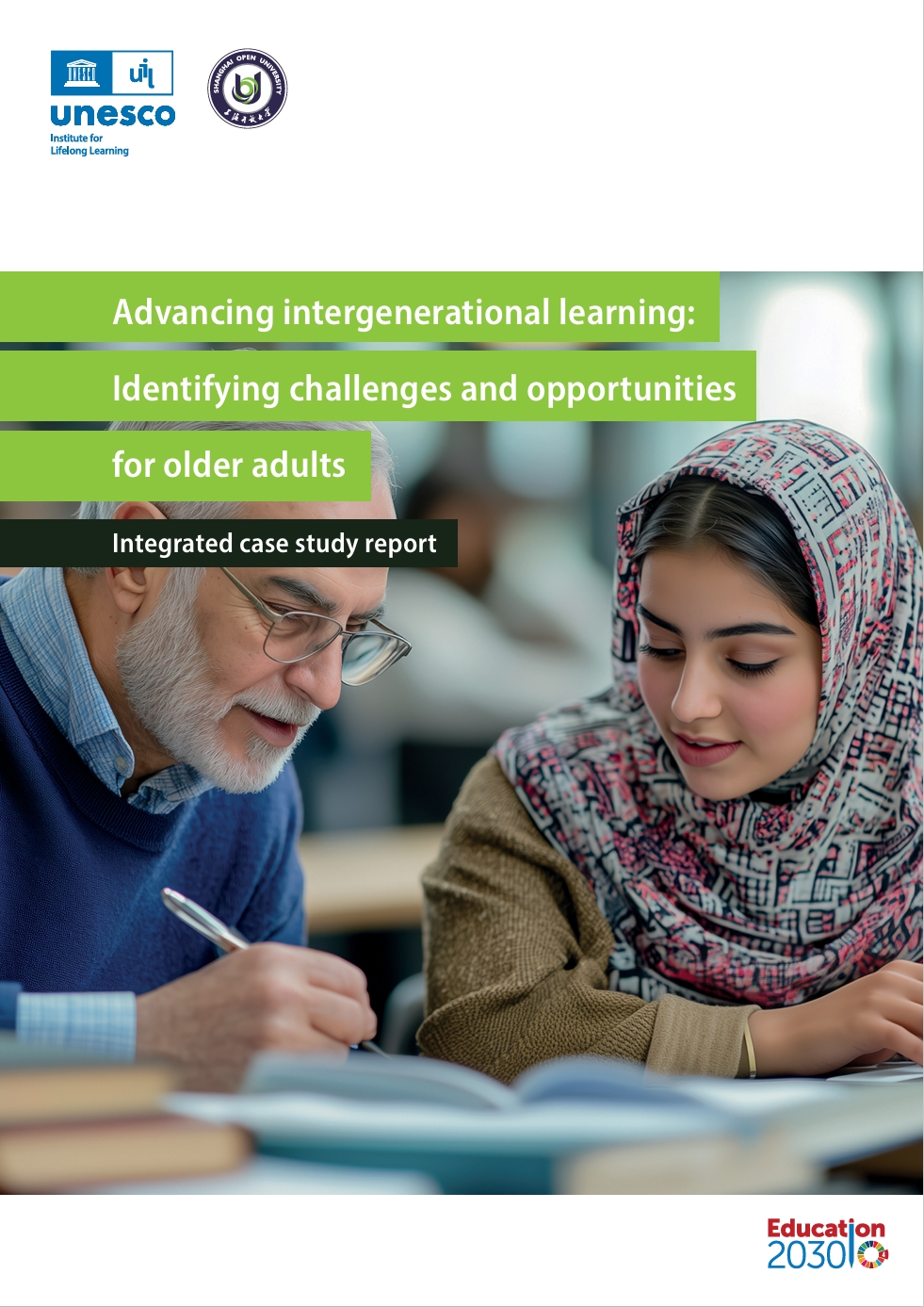 Advancing Intergenerational Learning: Identifying Challenges and Opportunities for Older Adults; Integrated Case Study Report