
Education for Global Citizenship: Promoting Democracy
- Author
- Manuela Mesa
- Corporate Author
- Autonomous University of MadridRed Iberoamericana de Investigación sobre Cambio y Eficacia Escolar (RINACE)
- ISBN
- ISSN 2254-3139
- Collation
- p. 15-26
- Resource Language
- Spanish
- Year of publication
- 2019
- Keyword
- Global citizenshipGlobal citizenship educationDemocracyHuman rightsAgenda 2030Social transformationDemocraciaTransformación socialCiudadanía global
- Topic
- Civic / Citizenship / DemocracyHuman rightsGlobalisation and social justice / International understandingSustainable development / Sustainability
- Resource Type
- Research papers / journal articles
- Level of education
- Primary educationSecondary education
- Region
- Global
- Place of publication
- Madrid
This paper makes a reflection on the role of education in the current international context, marked by profound changes and by a situation of uncertainty and instability and reverse in rights. It discusses the various interpretative frameworks that explain the current world and that are articulated around the global-local axis and ethnic-national identities and multiple identities. In a world characterized by the complexity and speed of changes, it is very important to overcome the the compartmentalization of knowledge in areas such as mathematics, social, language, etc and look for global approaches. Education as a transformative practice cannot be outside of the major challenges facing humanity at the national and multilateral. The 2030 Agenda and the Sustainable Development Goals gives opportunities for the consolidation of the Education for Global Citizenship.
Related Resources
-
 IIEP-UNESCO 12th Medium-Term Strategy: 2026–2029
 -
 Advancing Intergenerational Learning: Identifying Challenges and Opportunities for Older Adults; Integrated Case Study Report
 -
 Digital Empowerment for Lifelong Learning and Transformative Andragogy (DELTA) for Adult Educators: Introduction to the DELTA Framework and Resources
 -
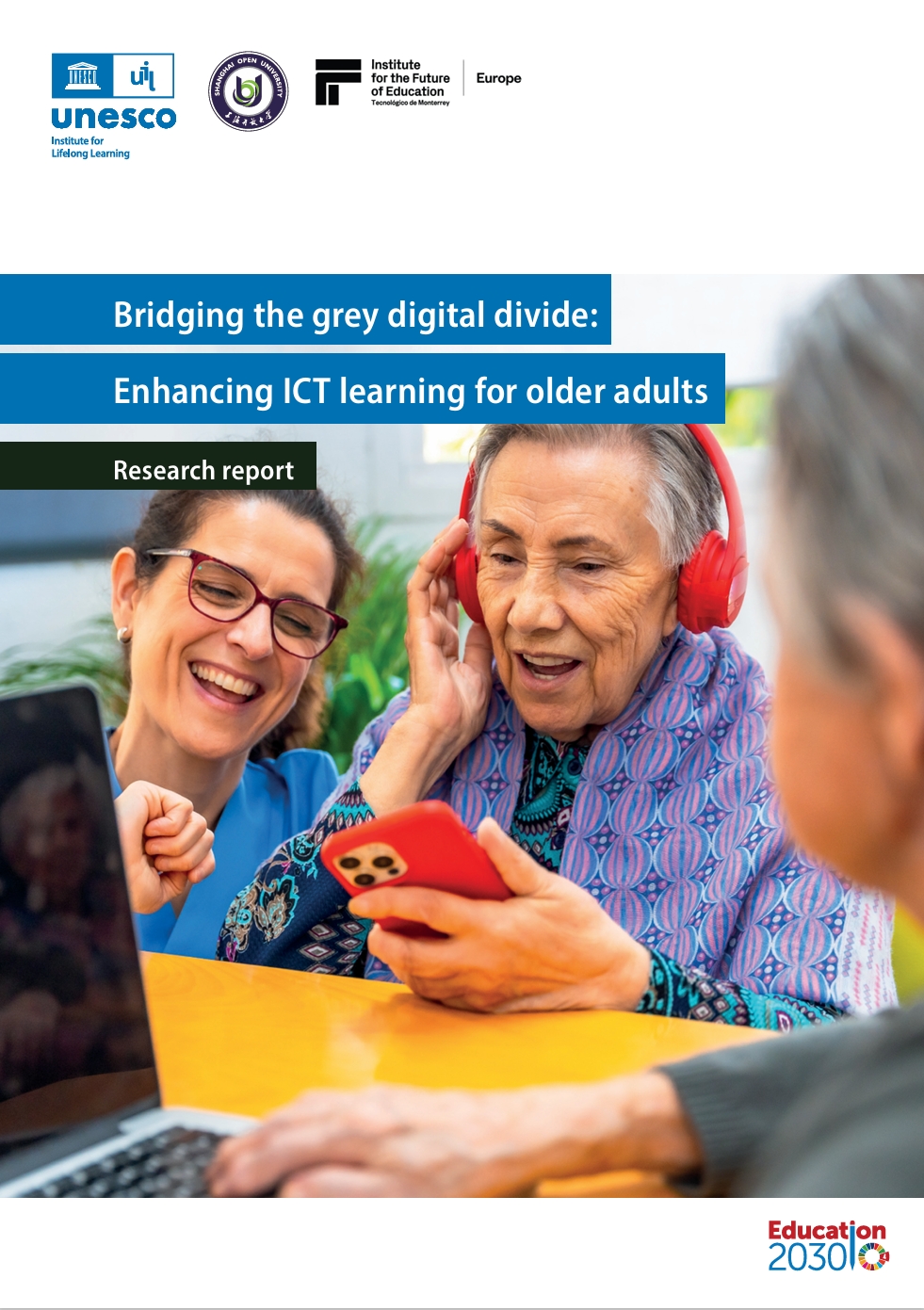 Bridging the Grey Digital Divide: Enhancing ICT Learning for Older Adults; Research Report