
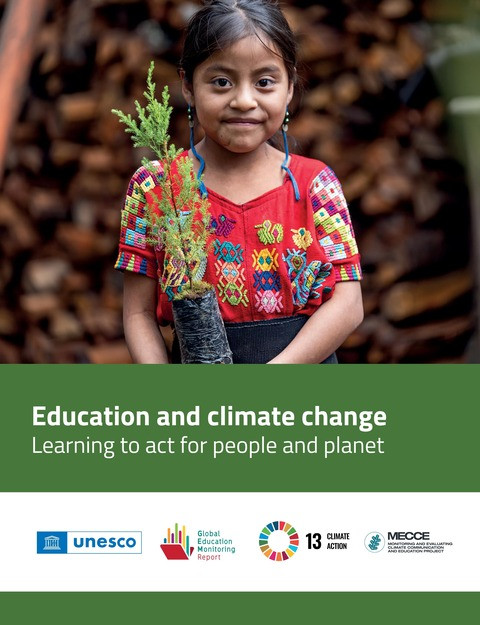
© UNESCO; University of Saskatchewan 2024
Education and Climate Change: Learning to Act for People and Planet
- Corporate Author
- Global Education Monitoring Report TeamMonitoring and Evaluating Climate Communication and Education Project (MECCE)University of Sakatchewan
- ISBN
- ISBN 978-92-3-100686-9
- Collation
- xi, 31 p.
- Resource Language
- EnglishSpanishRussianArabicChinese
- Year of publication
- 2024
- Keyword
- Climate changeClimate change adaptationEducation for sustainable developmentEnvironmental educationESD
- Topic
- Civic / Citizenship / DemocracyHuman rightsSustainable development / SustainabilityTransformative initiatives / Transformative pedagogies
- Resource Type
- International normative instruments / policy and advocacy documentsCurriculum, teaching-learning materials and guides
- Level of education
- Early childhood care and educationPrimary educationSecondary educationHigher educationLifelong learningTechnical and vocational education and trainingNon-formal education
- Region
- Global
- Place of publication
- Paris; Saskatoon
How can education lead to climate change action?
Despite strong evidence on the impact of education on other development outcomes and the role it plays in developing professional capacity for sustainable development transitions, education is often absent from other sectors’ strategic, policy, planning and financing considerations. The Global Education Monitoring Report is introducing a new series to advance dialogue on the interrelationship of education with the other Sustainable Development Goals.
The first paper in the series focuses on climate change. It starts by reviewing the growing impact of climate change on education before turning to the role of education in climate action. Education has a somewhat underappreciated contribution to developing professional capacities for the transition to a green economy. Formal, non-formal and informal learning are also commonly believed to be playing a critical role in motivating actions on climate change mitigation and adaptation.
Yet a positive association between education attainment and unsustainable consumption levels, as well as inconclusiveness of much research on the direct impact of education on climate change adaptation and mitigation actions has in part contributed to education receiving low priority in global and national climate change agendas.
This paper argues that climate change education needs to adapt to fulfil its potential. The education paradigm cannot rely solely on knowledge transfer but needs to focus on social and emotional, and action-oriented learning.
Much of the research has focused on the impact of education attainment and cognitive learning. More research is therefore needed to assess other drivers through which education can influence behaviours and motivate climate change action. Such research is needed to formulate viable education reform packages that improve the curriculum, strengthen climate-readiness of schools and education systems, engage learners and prepare educators accordingly.
Related Resources
-
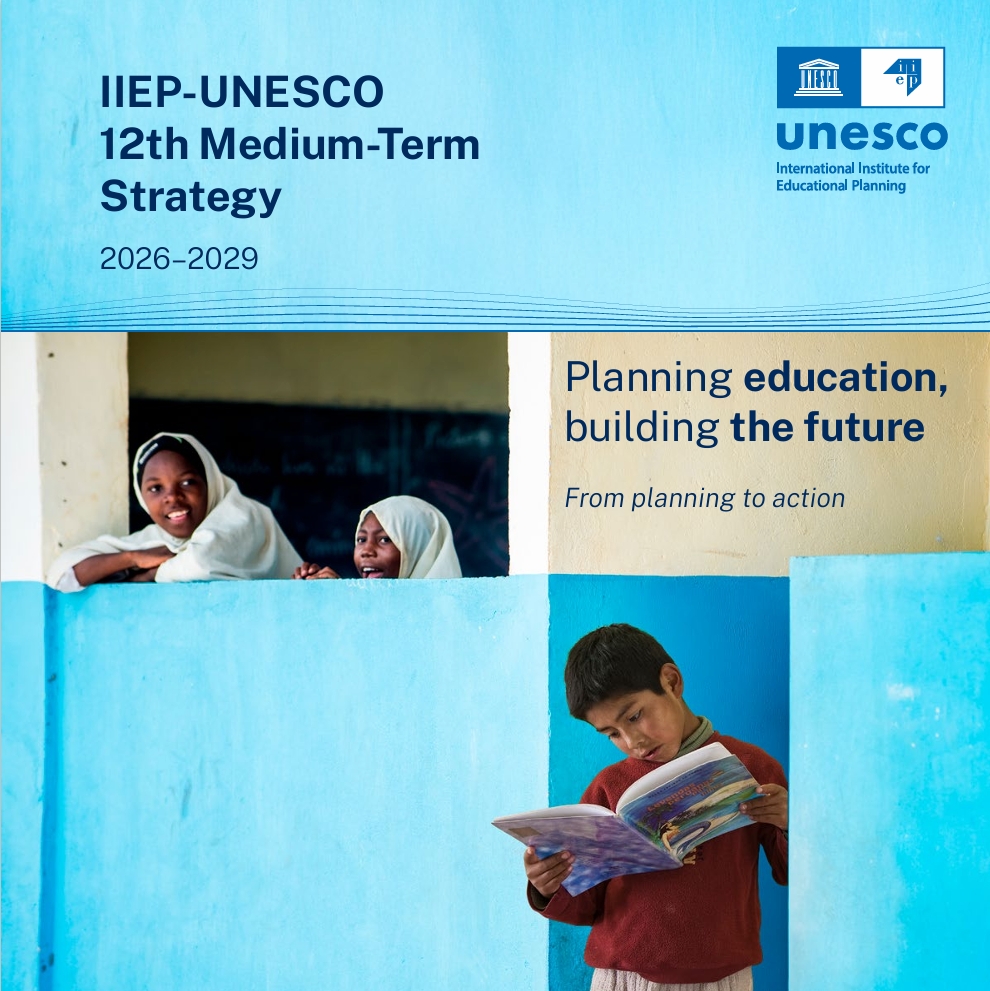 IIEP-UNESCO 12th Medium-Term Strategy: 2026–2029
 -
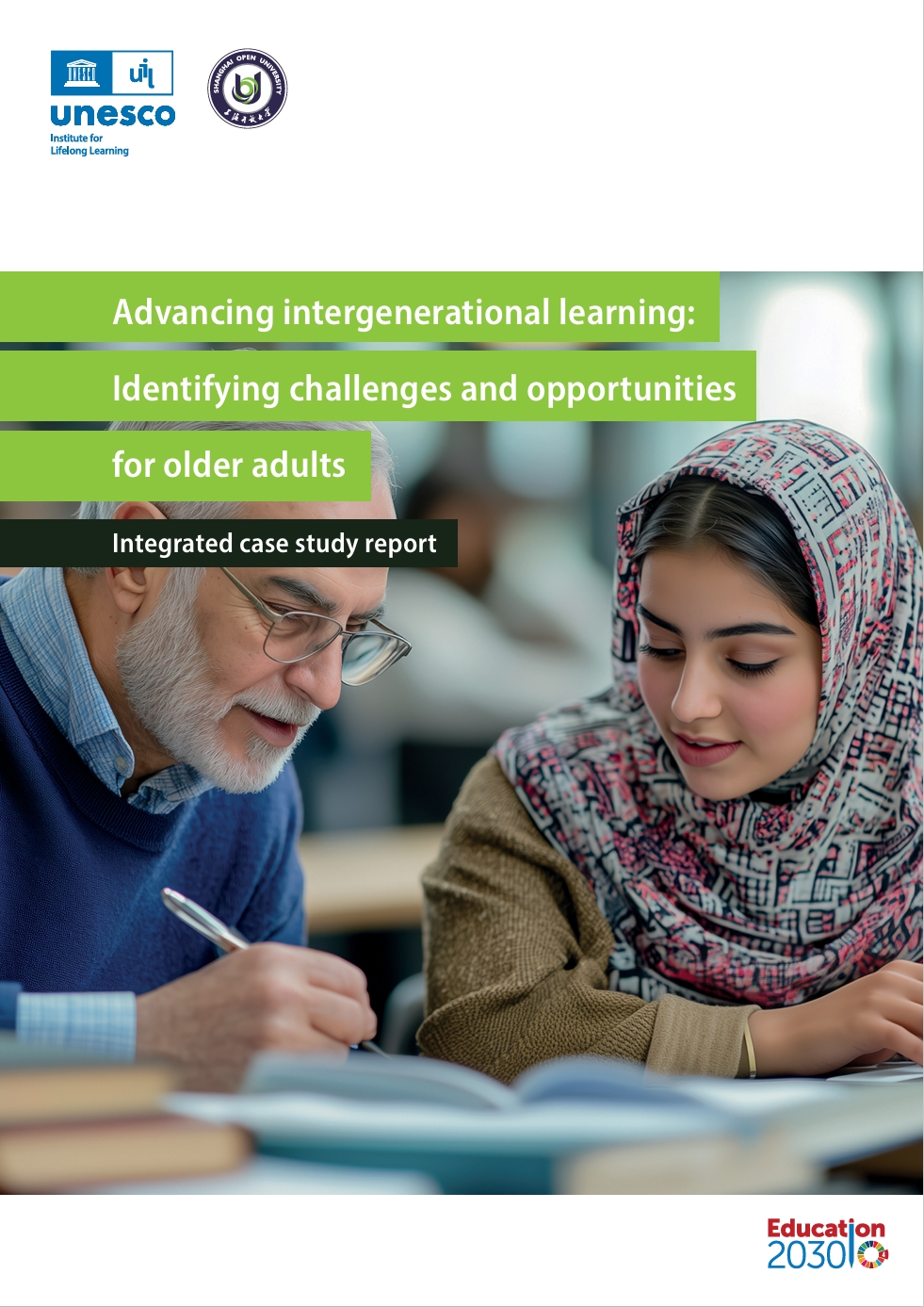 Advancing Intergenerational Learning: Identifying Challenges and Opportunities for Older Adults; Integrated Case Study Report
 -
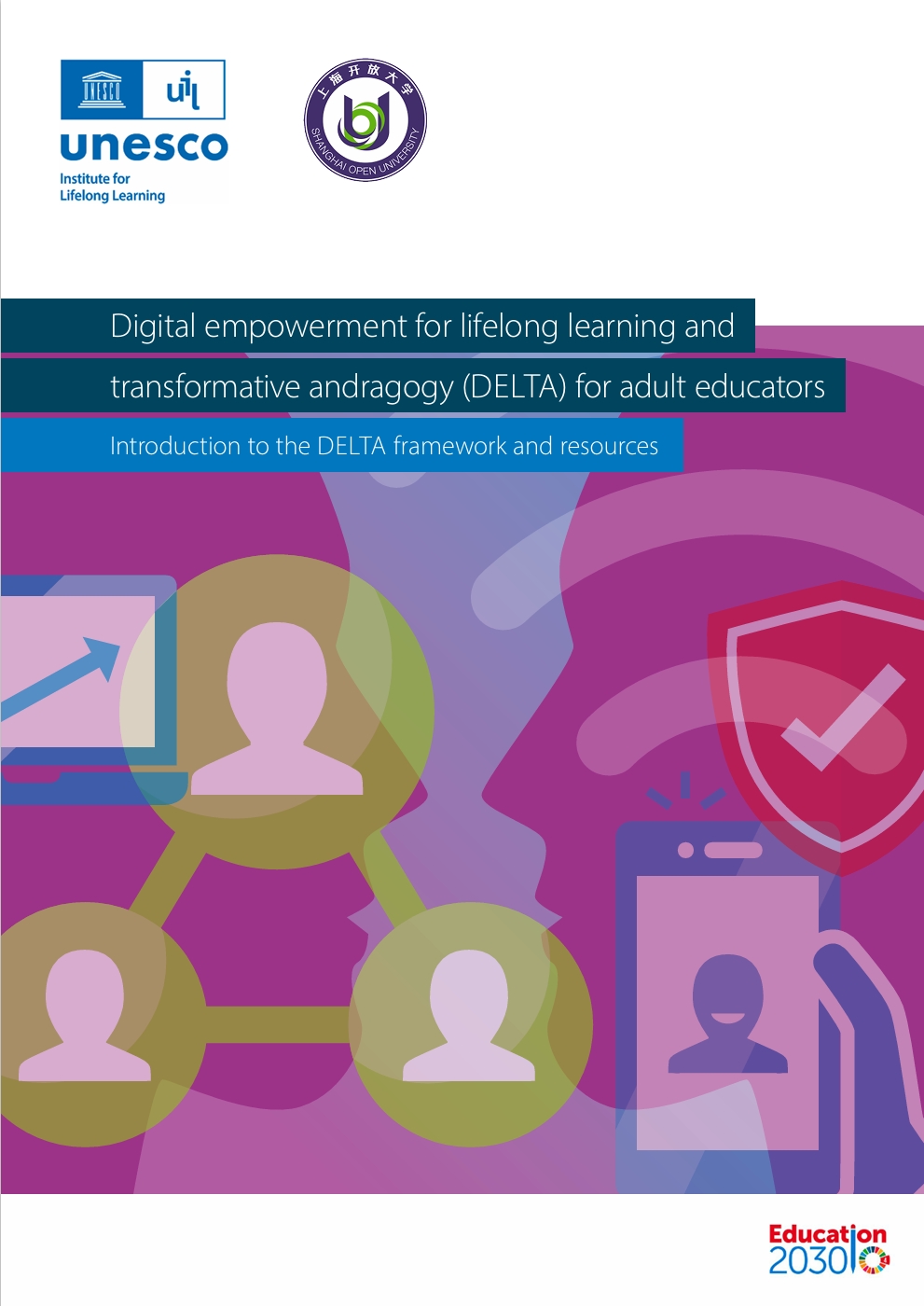 Digital Empowerment for Lifelong Learning and Transformative Andragogy (DELTA) for Adult Educators: Introduction to the DELTA Framework and Resources
 -
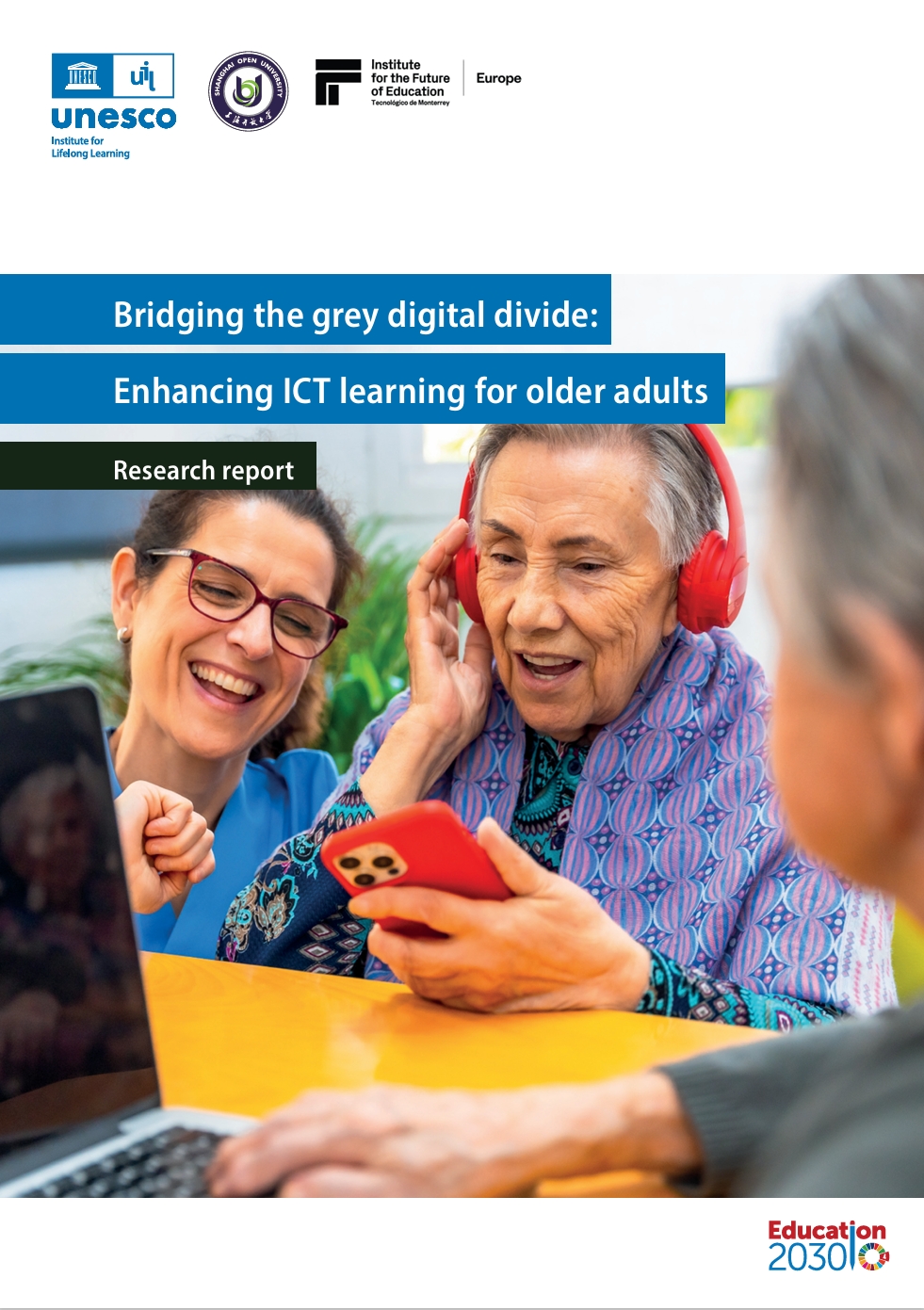 Bridging the Grey Digital Divide: Enhancing ICT Learning for Older Adults; Research Report