
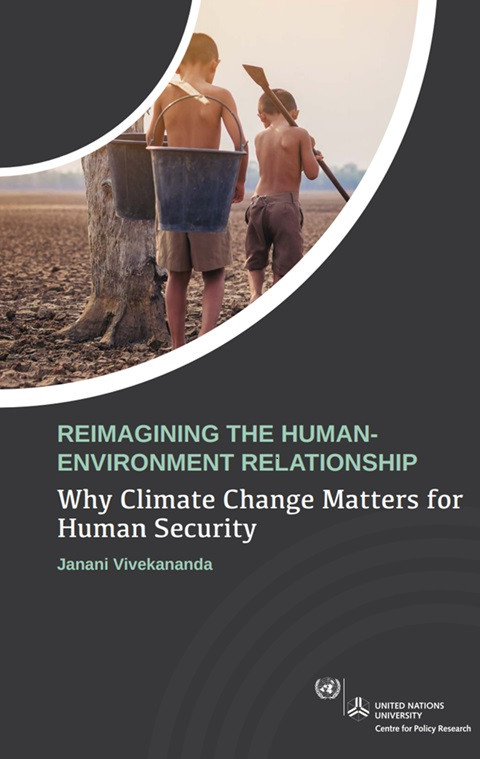
Why Climate Change Matters for Human Security
- Author
- Janani Vivekananda
- Corporate Author
- United Nations UniversityUnited Nations Environment Programme (UNEP)
- ISBN
- ISBN 978-92-808-6515-8
- Collation
- 18 p.
- Resource Language
- English
- Year of publication
- 2022
- Topic
- Civic / Citizenship / DemocracyHuman rightsGlobalisation and social justice / International understanding
- Resource Type
- International normative instruments / policy and advocacy documentsResearch papers / journal articles
- Level of education
- Early childhood care and educationPrimary educationSecondary educationHigher educationLifelong learningTechnical and vocational education and trainingNon-formal education
- Region
- Global
- Place of publication
- New York
This paper outlines the state of knowledge regarding security risks related to climate change, synthesizing the existing scientific evidence to set out five broad pathways of risk. Climate change itself is rarely a direct cause of conflict. Yet, there is ample evidence that its effects exacerbate important drivers and contextual factors of conflict and fragility, thereby challenging the stability of states and societies. Climate change impacts such as coral bleaching, diversity loss, and erratic rainfall can stress livelihoods and drive displacement, increase resource conflicts, and challenge the security and stability of people and states worldwide. Managing these security risks requires action across the entire impact chain: work to mitigate climate change; reducing its consequences on ecosystems; adapting socioeconomic systems; better management of climate-induced heightened resource competition; and strengthening governance and conflict management institutions. And every dimension of the response must be conflict-sensitive and climate proof. Without the right responses, climate change will mean more fragility, less peace and less security. But this paper sets out illustrative examples of how, with a greater understanding of how climate change interacts with social, political, economic and environmental drivers of conflict and fragility, we will be better placed to make the kind of risk-informed decisions is integral to achieving international peace and security.
Related Resources
-
 IIEP-UNESCO 12th Medium-Term Strategy: 2026–2029
 -
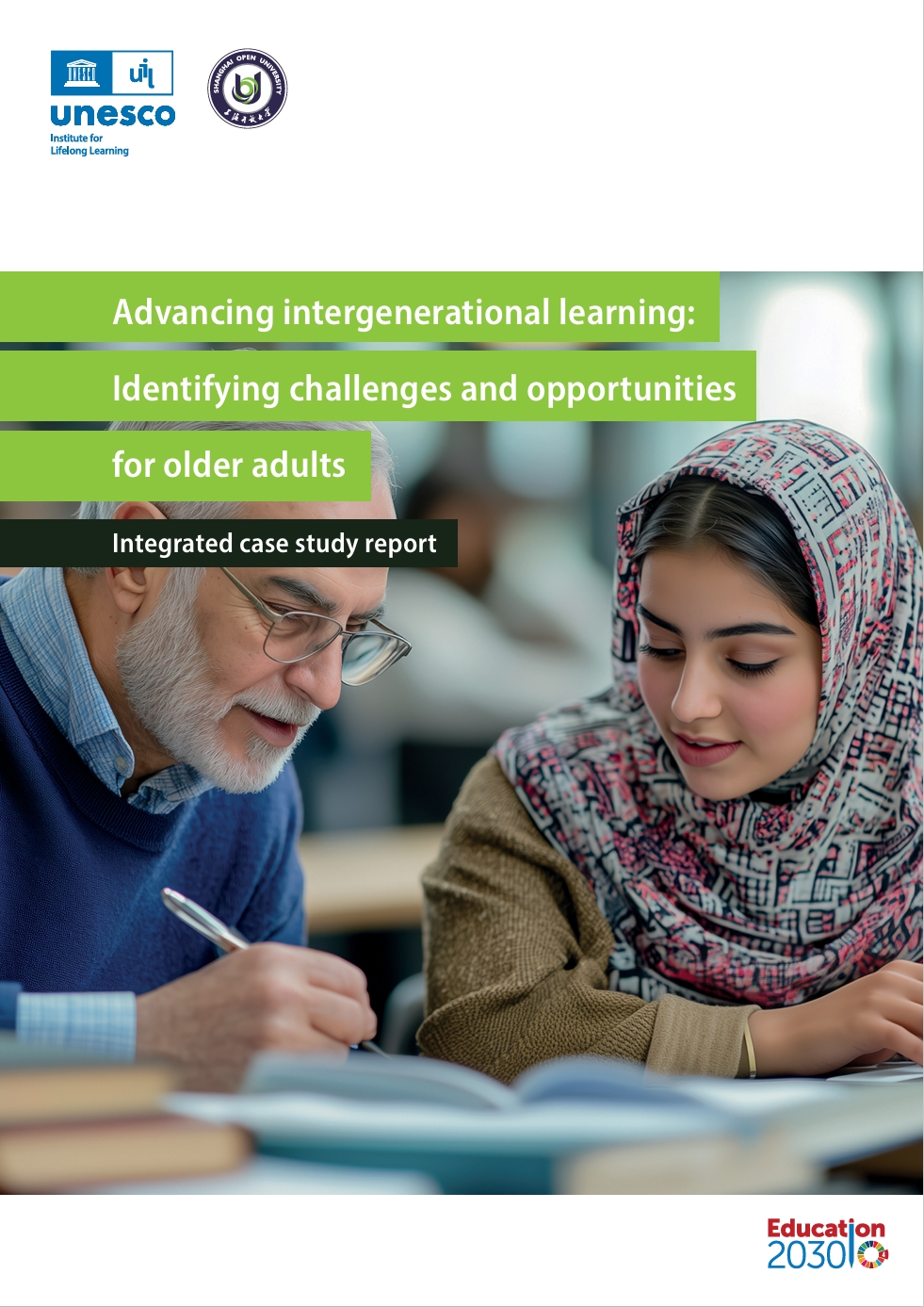 Advancing Intergenerational Learning: Identifying Challenges and Opportunities for Older Adults; Integrated Case Study Report
 -
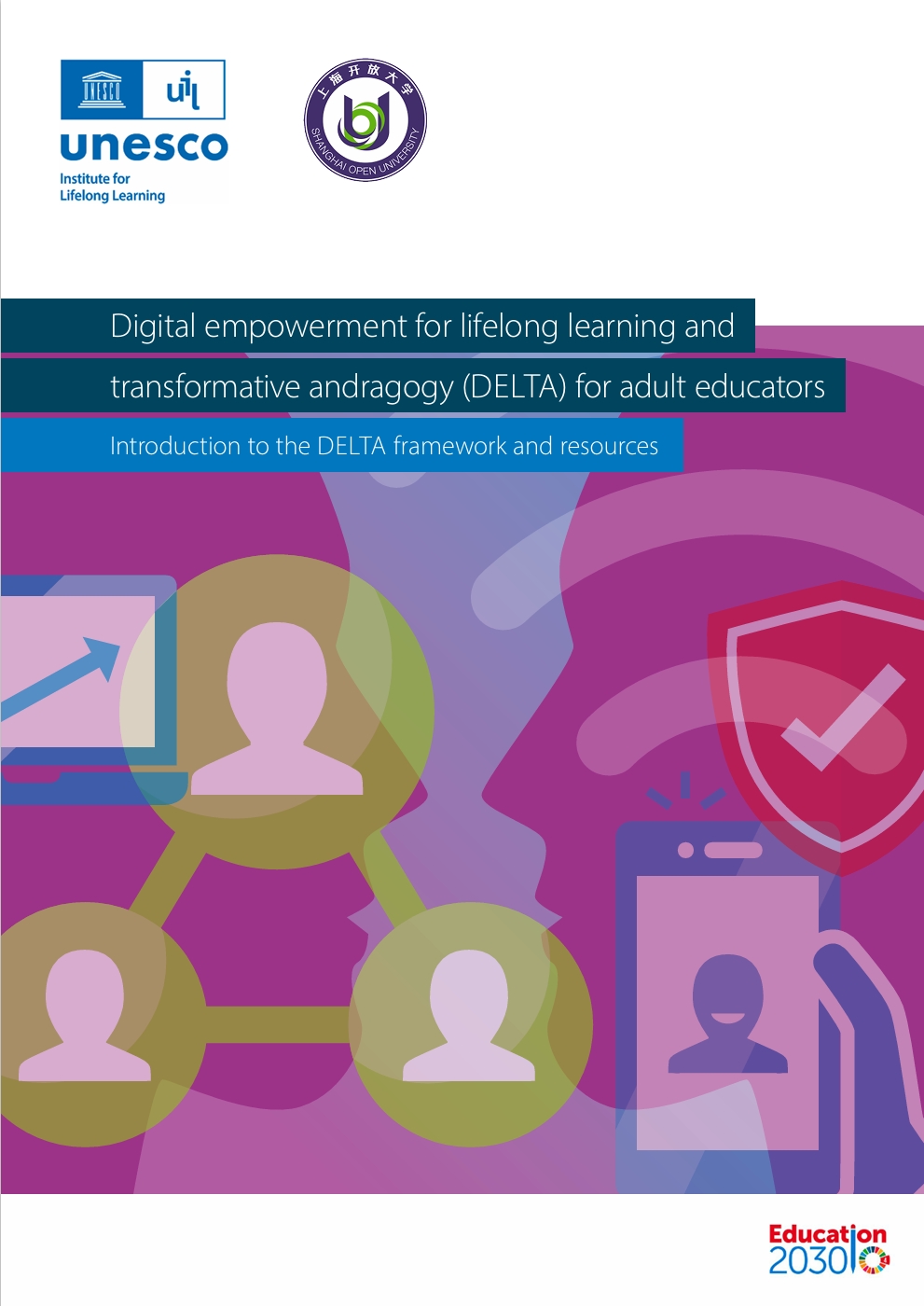 Digital Empowerment for Lifelong Learning and Transformative Andragogy (DELTA) for Adult Educators: Introduction to the DELTA Framework and Resources
 -
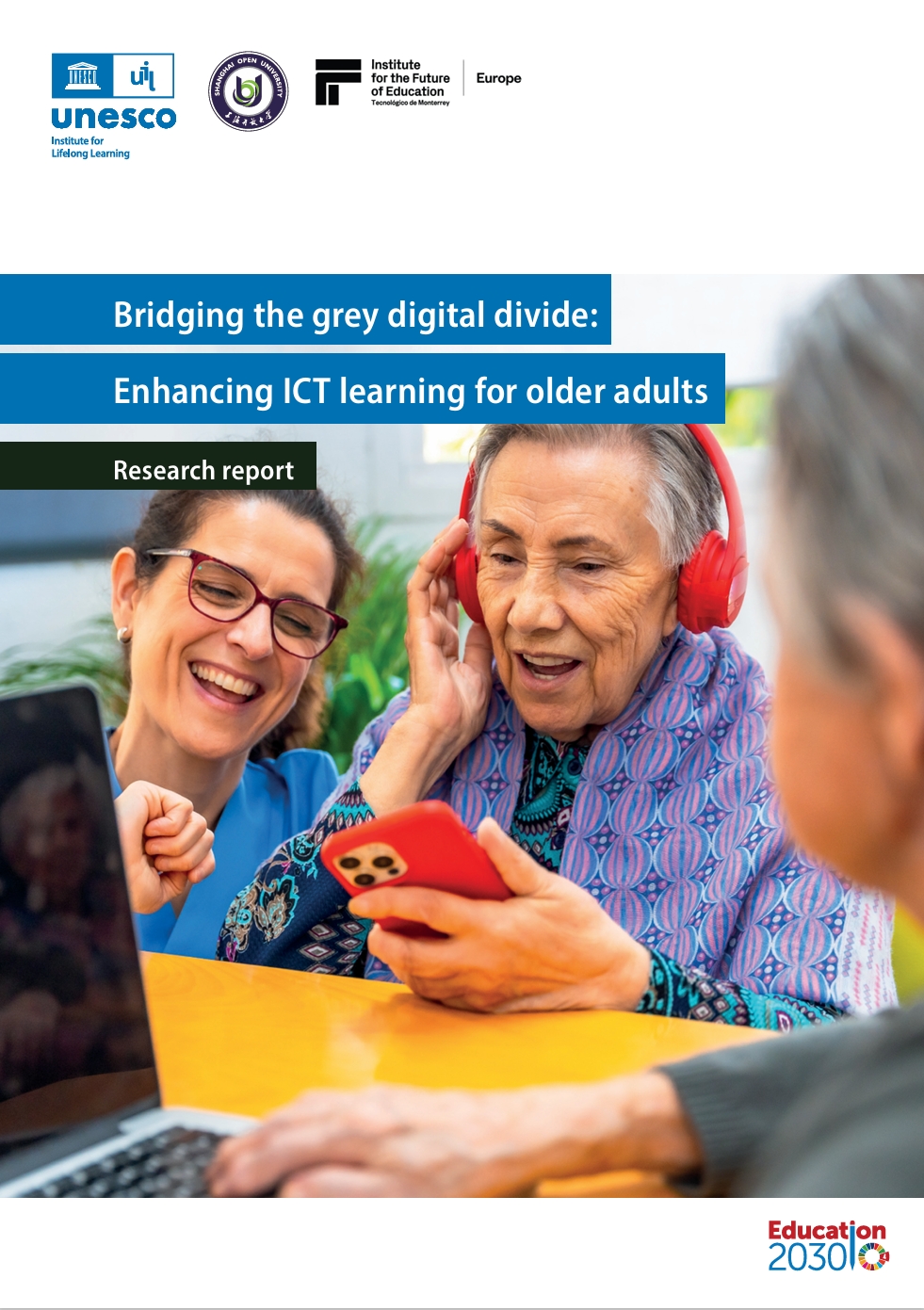 Bridging the Grey Digital Divide: Enhancing ICT Learning for Older Adults; Research Report