
Experiential learning of history through youth journeys to Poland
- Level of education
- Secondary education
Keren (1985), who examined the centrality of the Holocaust in five different periods in the history of the state of Israel, claims that the turning point for the educational system was an outcome not only of increased public awareness, but of the events 'receding' into history, which allowed an objective, and more balanced and detached, perspective. The study revealed that children whose parents were born in Europe or in Western countries were more eager to learn about the Holocaust than those of non-European origin, indicating a relationship between origin and desire to know about the Holocaust period. The journey experience had not yet matured and shaped into a deeper understanding that could be attributed to the personal identity of the participant and to examining it after the journey using accepted research tools. (By the author)
Related Resources
-
 IIEP-UNESCO 12th Medium-Term Strategy: 2026–2029
 -
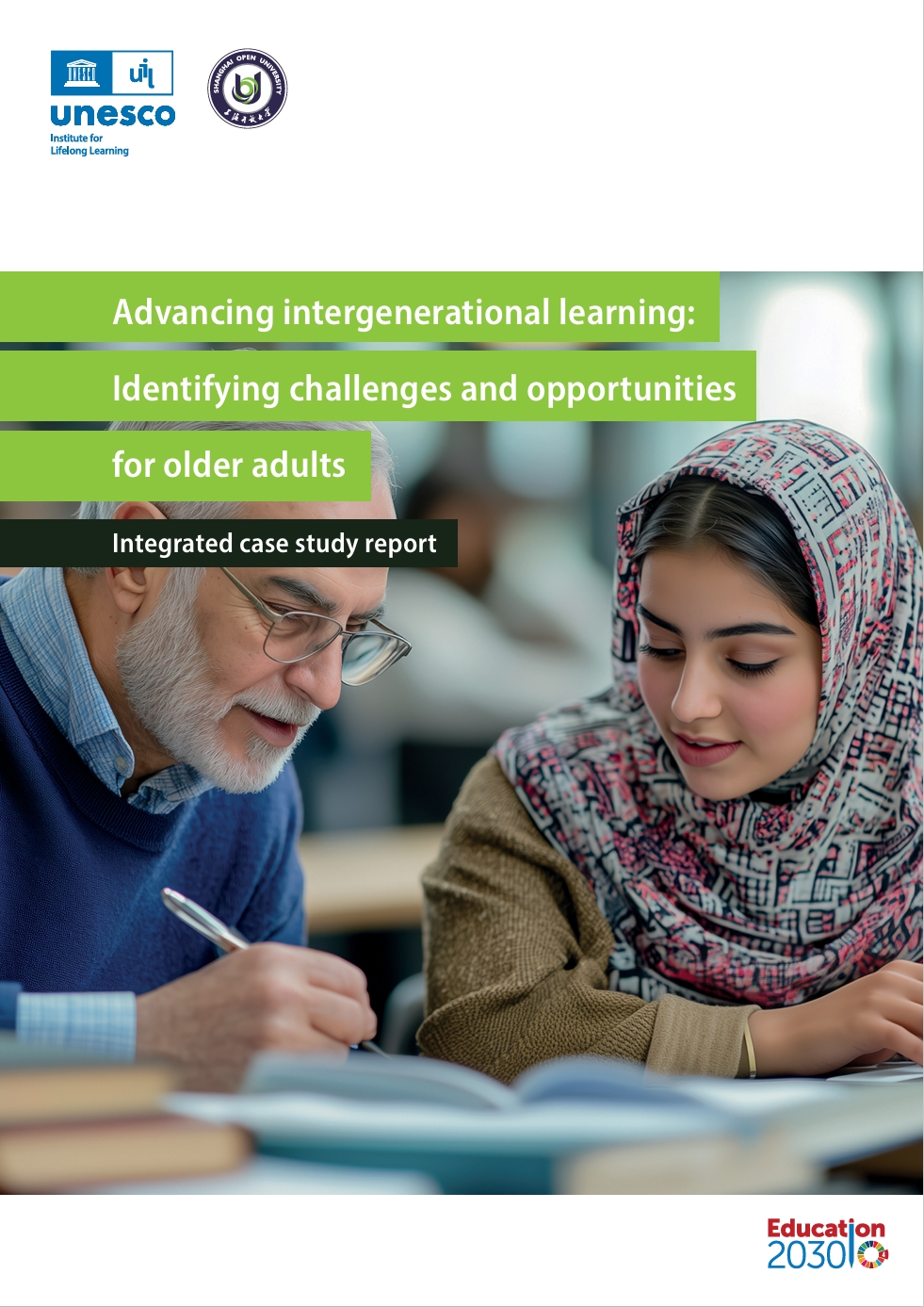 Advancing Intergenerational Learning: Identifying Challenges and Opportunities for Older Adults; Integrated Case Study Report
 -
 Digital Empowerment for Lifelong Learning and Transformative Andragogy (DELTA) for Adult Educators: Introduction to the DELTA Framework and Resources
 -
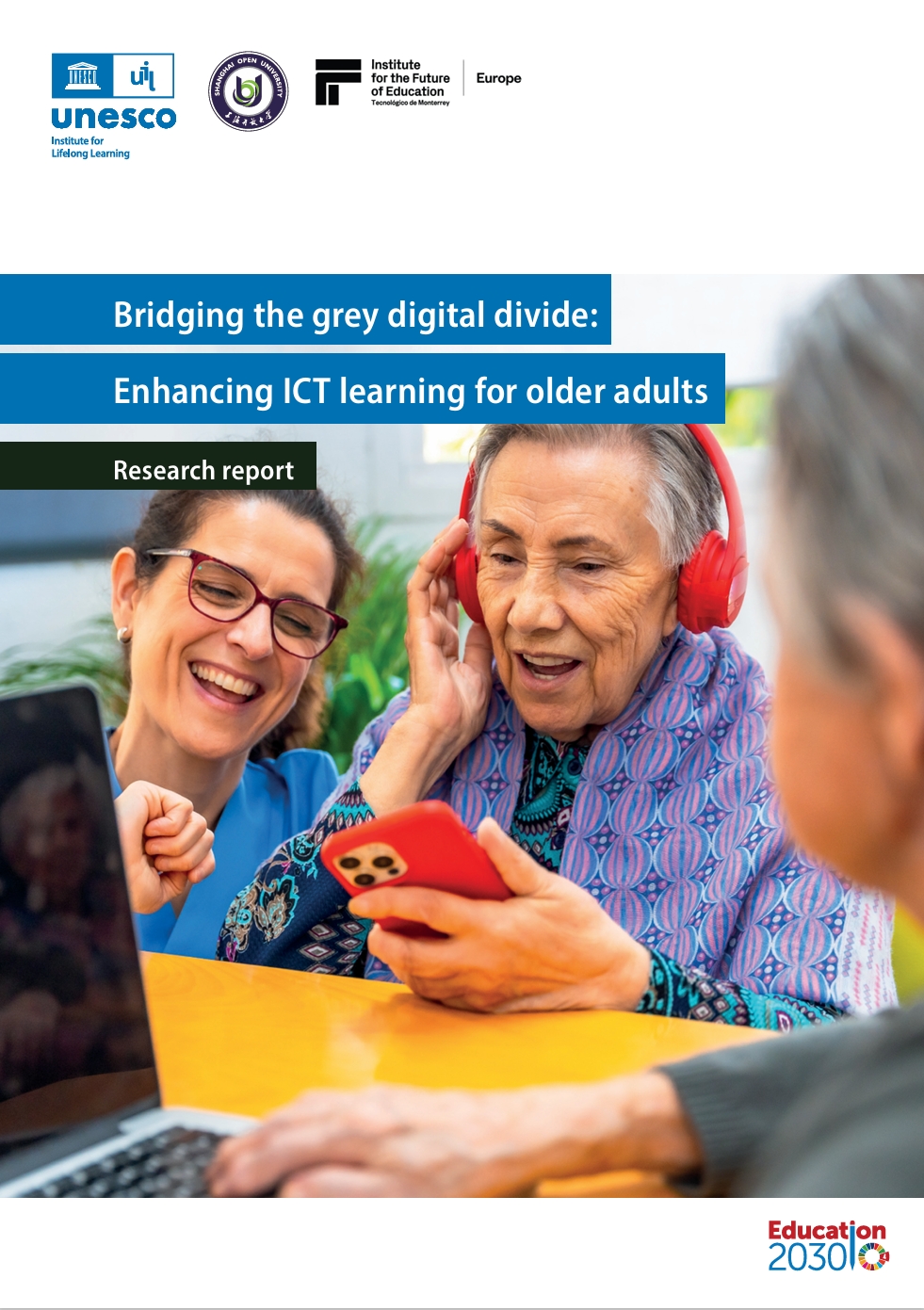 Bridging the Grey Digital Divide: Enhancing ICT Learning for Older Adults; Research Report