
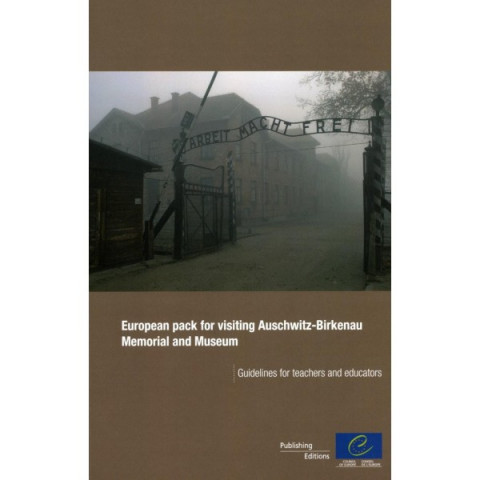
European pack for visiting Auschwitz-Birkenau Memorial and Museum - Guidelines for teachers and educators
- Keyword
- HolocaustTeaching materials
- Resource Type
- Curriculum, teaching-learning materials and guides
- Level of education
- Primary educationSecondary educationHigher education
Taking groups of students to the Auschwitz-Birkenau Memorial and Museum is a heavy responsibility, but it is a major contribution to citizenship if it fosters understanding of what Auschwitz stands for, particularly when the last survivors are at the end of their lives. This pack is designed for teachers wishing to organize student visits to authentic places of remembrance, and for the guides, academics and others who work every day with young people at Auschwitz. To avoid the risk of inappropriate reactions or the failure to benefit from a large investment in travel and accommodation, considerable preparation and discussion is necessary before the visit and serious reflection afterwards. This pack offers insights into the complexities of human behaviour so that students can have a better understanding of what it means to be a citizen. The young people who visit Auschwitz in the next few years will be witnesses of the last witnesses. Their generation will be the last to hear the survivors speaking on the spot. The Council of Europe, the Polish Ministry of Education and the Auschwitz-Birkenau Memorial and Museum are jointly sponsoring this project aimed at preventing crimes against humanity through Holocaust remembrance teaching. (By the Council of Europe)
Related Resources
-
 Voices Against Violence: Middle Years
 -
 Study on the Historical Impact of the 1974 Recommendation concerning Education for International Understanding, Cooperation and Peace and Education relating to Human Rights and Fundamental Freedoms
 -
 IIEP-UNESCO 12th Medium-Term Strategy: 2026–2029
 -
 More than Welcome: Intercultural Integration of Migrants in and Through Higher Education