
Holocaust Education in Post-Communist Romania
As Israeli historian Leon Volovici noted in a recent article, Romania today is marked by the concurrent presence of a prolific nationalistic media with strong anti-Semitic accents and a swell of events dedicated to the history of its Jews. This remarkable paradox is perhaps just one more example of the originality of Romania’s post-communist transition, the more so since the object of both trends is becoming less and less numerous every day: there are only about 9,000, mostly elderly Jews living in contemporary Romania. After 45 years of “relative silence” imposed by the communists and eight more years of “relevant silence” imposed by the neo-communists, as of 1998 the Holocaust is finally mentioned and discussed, but “in the third person”, as it were: it’s true, it happened, but not in Romania! (By the author)
Related Resources
-
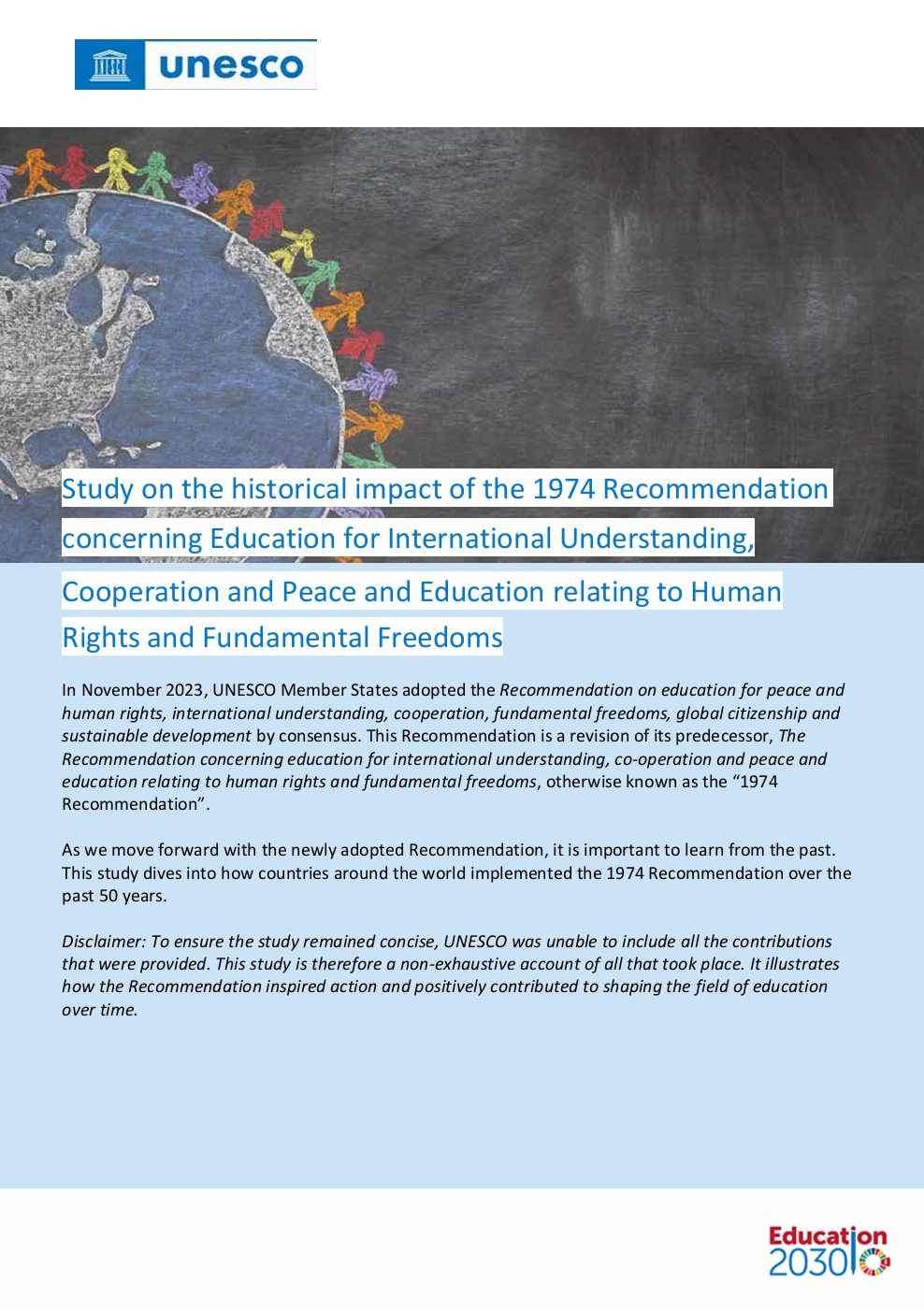 Study on the Historical Impact of the 1974 Recommendation concerning Education for International Understanding, Cooperation and Peace and Education relating to Human Rights and Fundamental Freedoms
 -
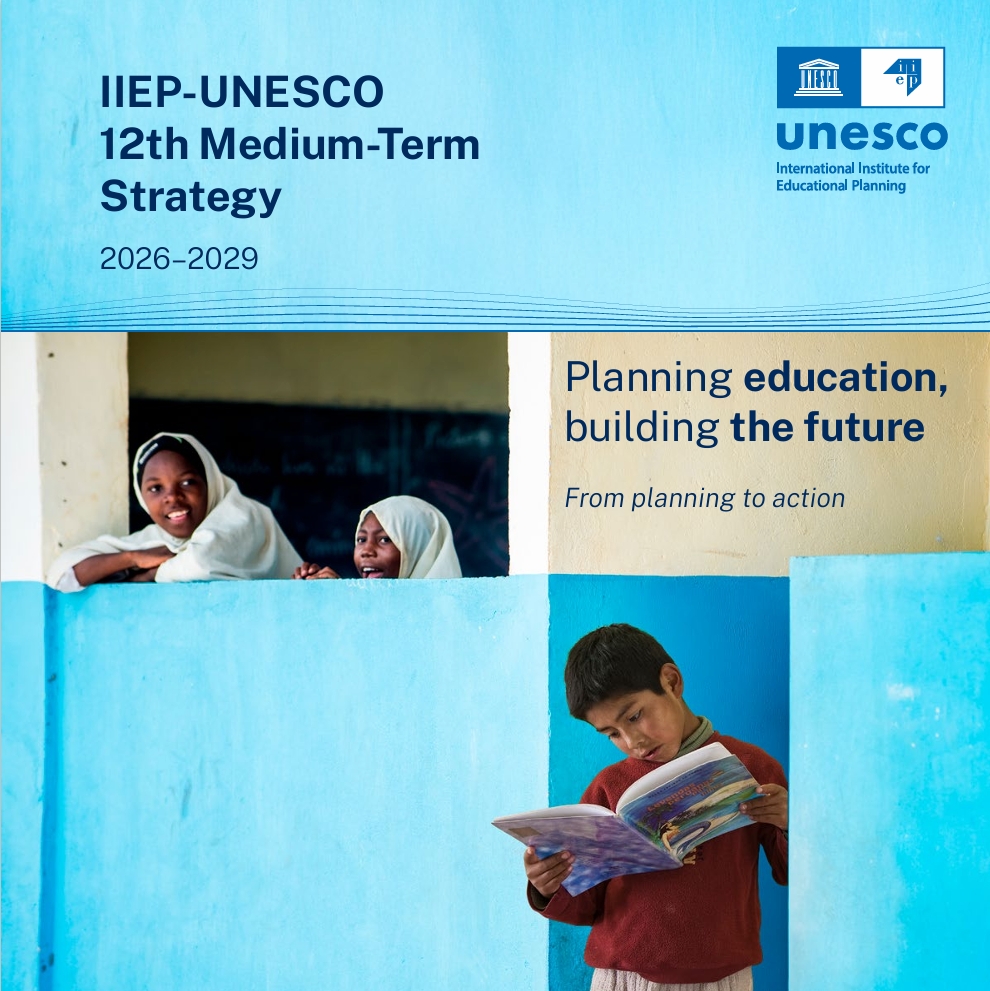 IIEP-UNESCO 12th Medium-Term Strategy: 2026–2029
 -
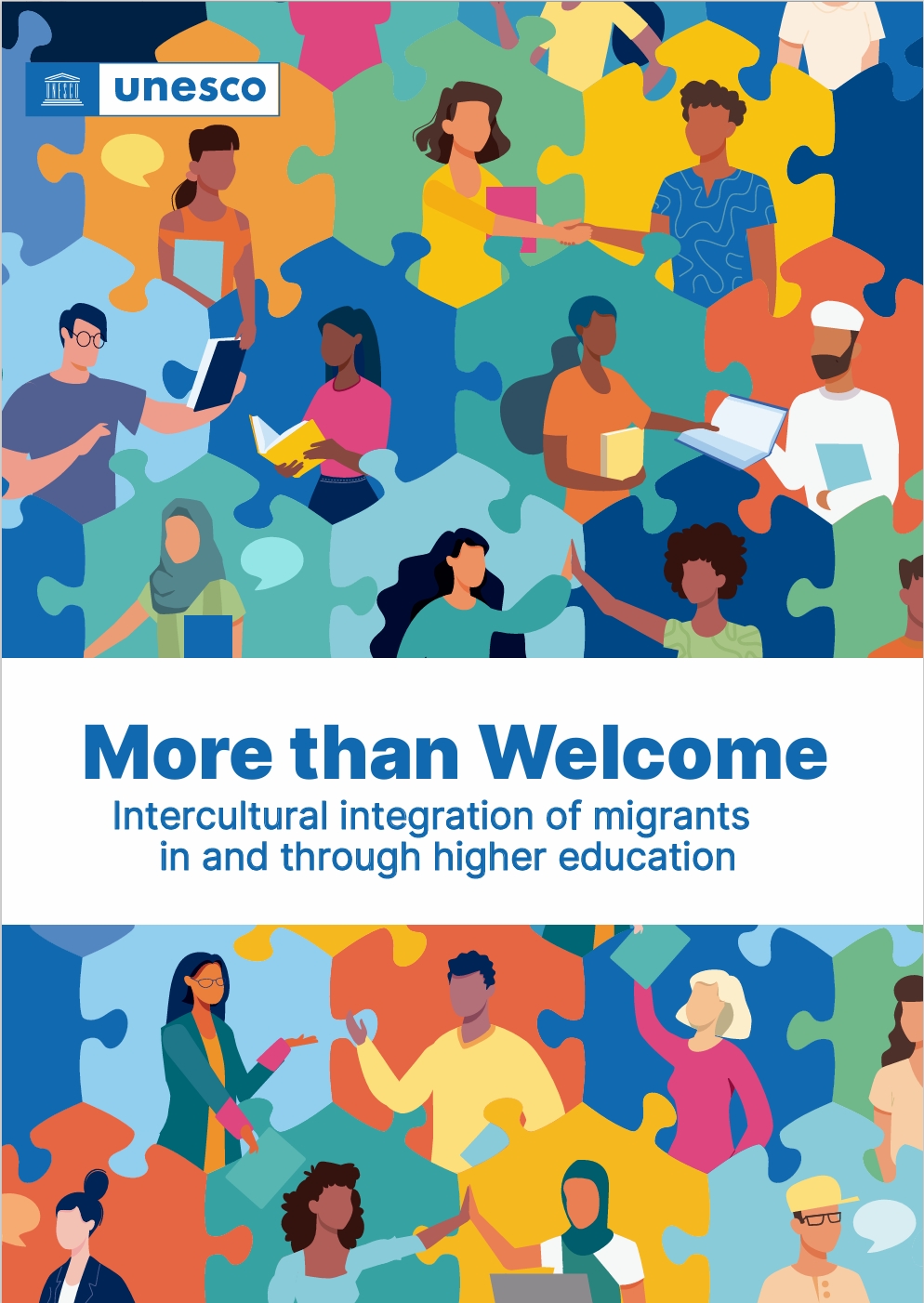 More than Welcome: Intercultural Integration of Migrants in and Through Higher Education
 -
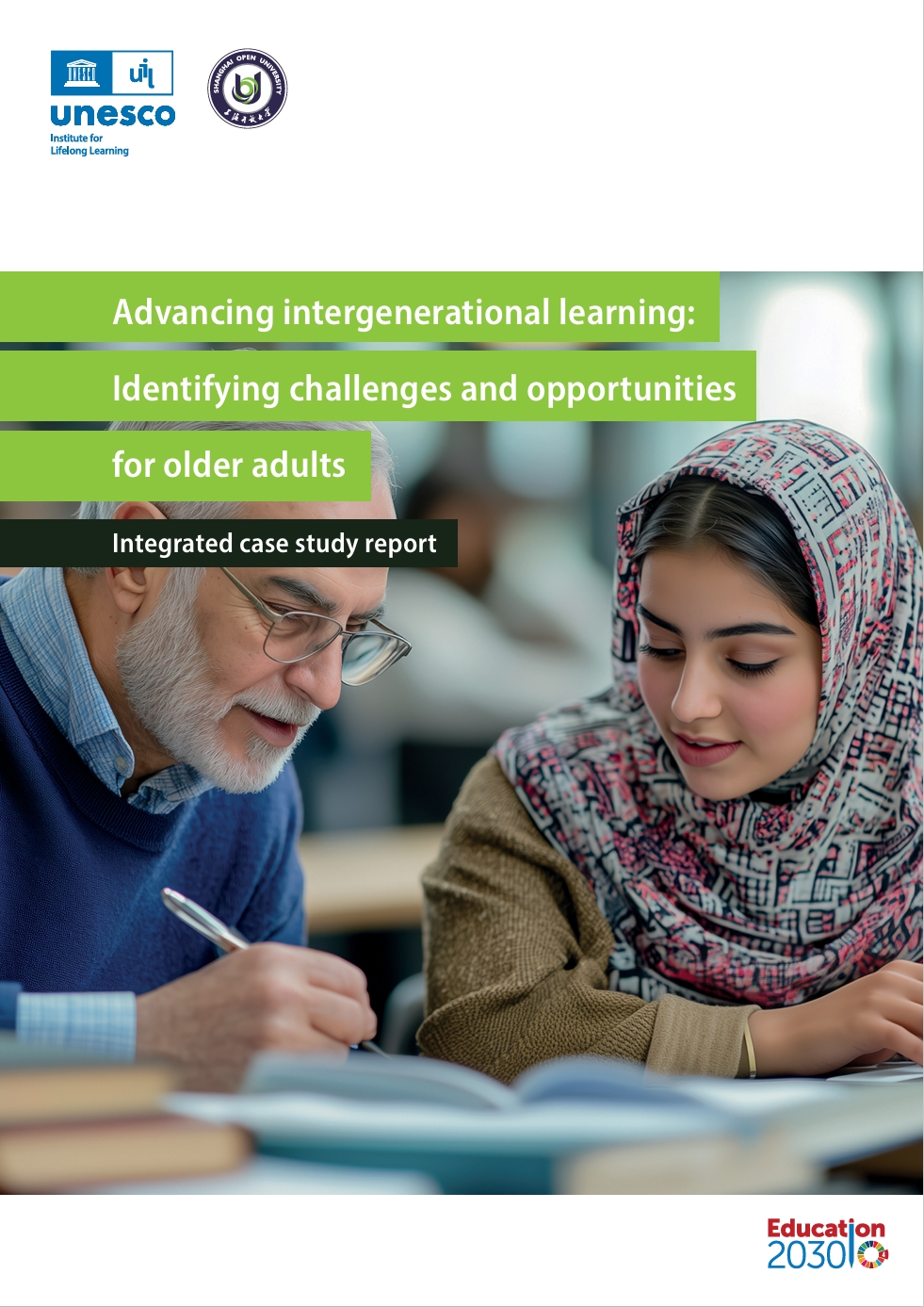 Advancing Intergenerational Learning: Identifying Challenges and Opportunities for Older Adults; Integrated Case Study Report