
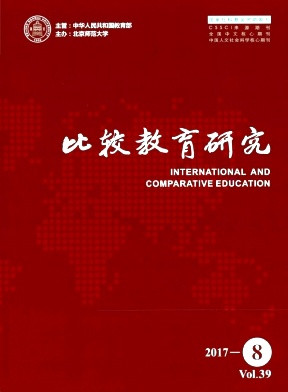
International Environmental Politics and Critical Approach to Global Citizenship Education
- Author
- Zheng Fuxing
- Collation
- 8 p.
- Resource Language
- Chinese
- Year of publication
- 2017
- Resource Type
- Research papers / journal articles
- Level of education
- Others
- Region
- Global
- Place of publication
- Beijing
The research and practice of global citizenship education have thrived since 1990s, but the effectiveness of global citizenship education is limited. The research cannot avoid the problematic premise of the possibility of global citizenship education. The identity predicament of global citizen and alienation of local implementing make probability of the global citizenship education problematic. The practial predicament of the global citizenship education maninfest5s that the nation state is the key factor of policy implementation. Environmental question, which is about global common good, attracts the attention from the government of most of nations, and becomes the good case for exploring the feasibility of global citizenship education. Environmental politics explain the inequality and injustice in the globally enviromental governance which made the global citizenship education critical. The critical ecopedagogy becomes the new form of global citizenship. The practice of the global citizenship education becomes viable by hybrid activism generated by dialectical movement between local and global in the limit of nation-state.
Related Resources
-
 IIEP-UNESCO 12th Medium-Term Strategy: 2026–2029
 -
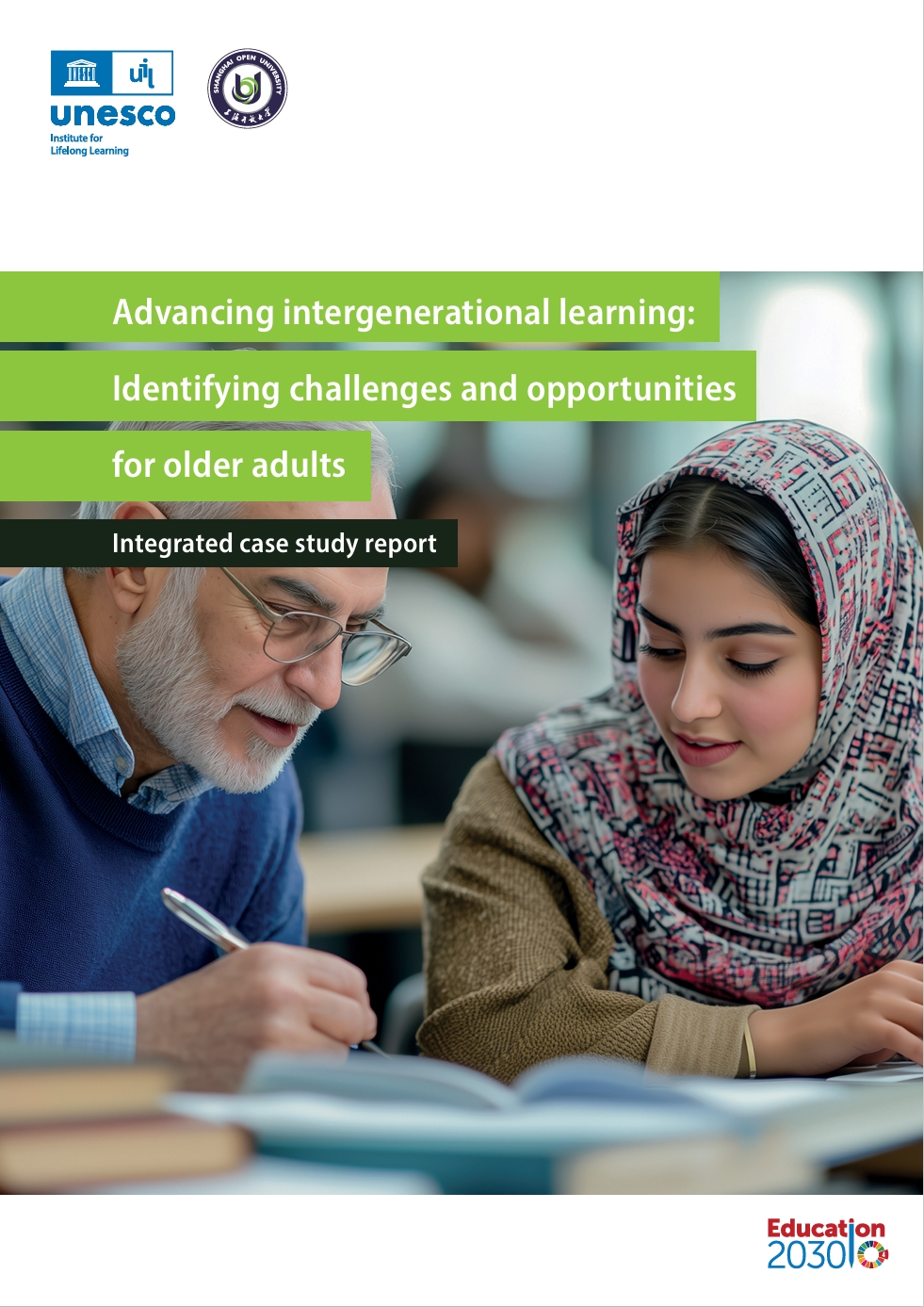 Advancing Intergenerational Learning: Identifying Challenges and Opportunities for Older Adults; Integrated Case Study Report
 -
 Digital Empowerment for Lifelong Learning and Transformative Andragogy (DELTA) for Adult Educators: Introduction to the DELTA Framework and Resources
 -
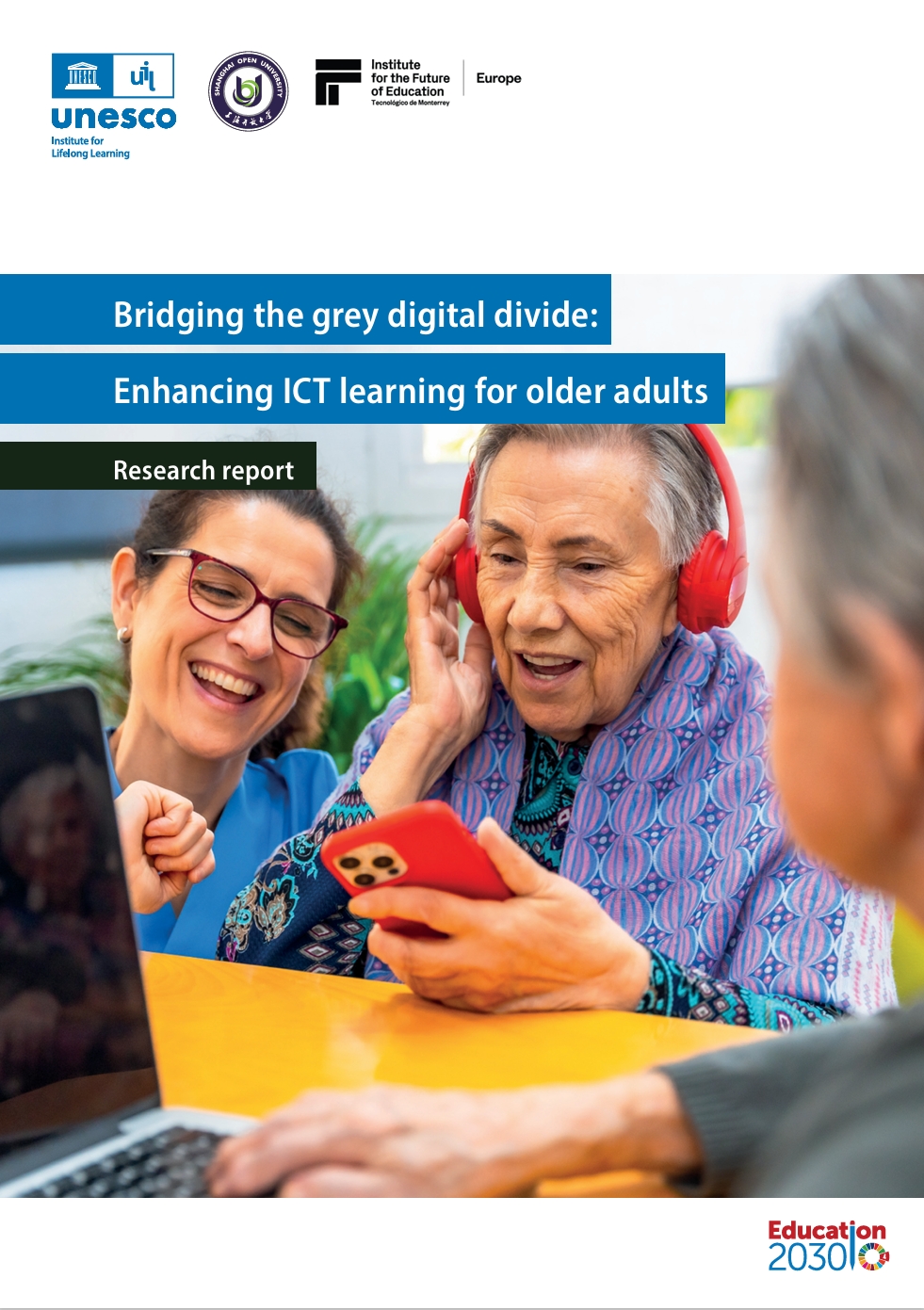 Bridging the Grey Digital Divide: Enhancing ICT Learning for Older Adults; Research Report