
© UNESCO 2020
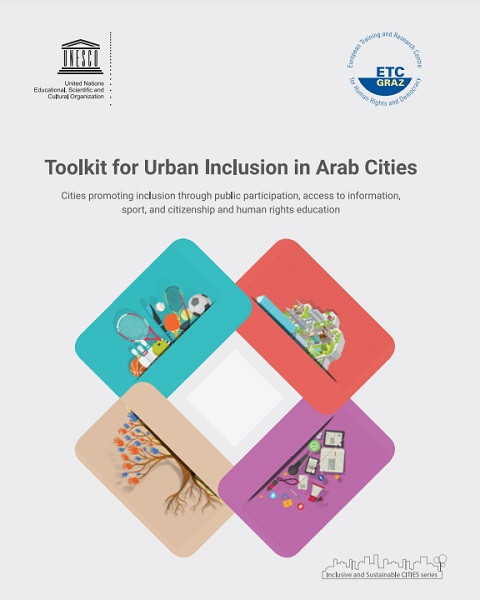
Toolkit for Urban Inclusion in Arab Cities: Cities Promoting Inclusion Through Public Participation, Access to Information, Sport, and Citizenship and Human Rights Education
- Corporate Author
- UNESCOEuropean Training and Research Centre for Human Rights and Democracy (Austria)UNESCO Cairo
- ISBN
- ISBN 978-92-3-100393-6 (eng); ISBN 978-92-3-200213-6 (fre); ISBN 978-92-3-600091-6 (ara)
- Collation
- 117 p. (eng); 118 p. (fre); 119 p. (ara)
- Resource Language
- EnglishFrenchArabic
- Year of publication
- 2020
- Keyword
- Urban educationInclusive educationAccess to informationCommunity participationYouthHuman rights education
- Topic
- Civic / Citizenship / DemocracyDiversity / Cultural literacy / InclusivenessHuman rightsGlobalisation and social justice / International understandingPeace / Culture of peacePreventing violent extremism and genocideSustainable development / SustainabilityMedia and information literacy / Digital citizenship
- Resource Type
- Curriculum, teaching-learning materials and guides
- Level of education
- Primary educationSecondary educationHigher educationLifelong learningNon-formal education
- Region
- Arab States
- Place of publication
- Paris; Cairo; Graz
Arab cities are witnessing an unprecedented expansion. Home to more than half of the region’s population, Arab cities have transformed into heterogeneous spaces that host diverse identities, cultures, and ethnicities. In order for this transformation to lead to prosperity, city officials must adopt a rights-based, human-centred approach, and implement inclusive policies and measures that provide equal opportunities for all.
In this context, the Toolkit for Urban Inclusion in Arab Cities provides Arab city leaders and local government officials with practical tools and advice to guide their efforts towards establishing inclusive and sustainable cities. The Toolkit is based on the real experiences and practices of cities members of the Coalition of Arab Cities against Racism, Discrimination, Xenophobia and Intolerance in planning, implementing and evaluating programs and projects that promote urban inclusion and combat exclusion in all its forms.
The Toolkit focuses on four topics of high priority to the Arab Coalition member cities: public participation, access to information, sport for youth inclusion, and citizenship and human rights education.
Related Resources
-
 IIEP-UNESCO 12th Medium-Term Strategy: 2026–2029
 -
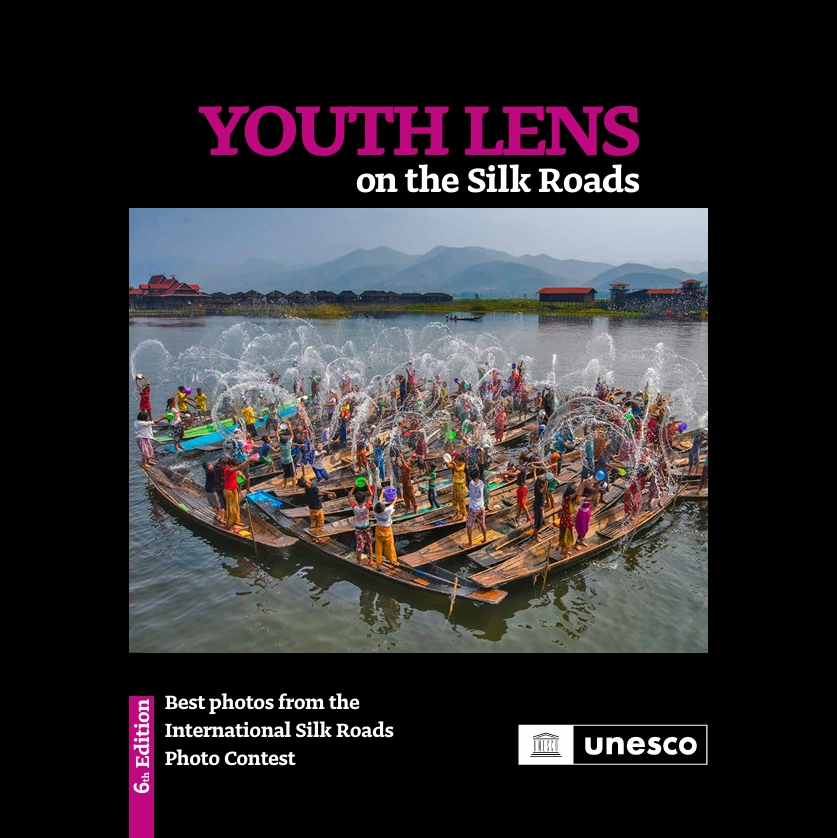 Youth Lens on the Silk Roads: Best Photos from the International Silk Roads Photo Contest; 6th Edition
 -
 Advancing Intergenerational Learning: Identifying Challenges and Opportunities for Older Adults; Integrated Case Study Report
 -
 Digital Empowerment for Lifelong Learning and Transformative Andragogy (DELTA) for Adult Educators: Introduction to the DELTA Framework and Resources