
Education 2030: Déclaration d'Incheon et Cadre d'action: vers une éducation inclusive et équitable de qualité et un apprentissage tout au long de la vie pour tous
- Autor Corporativo
- Organización de las Naciones Unidas para la Educación, la Ciencia y la Cultura (UNESCO)United Nations Development Programme (UNDP)United Nations Children's Fund (UNICEF)United Nations Entity for Gender Equality and the Empowerment of Women (UN Women)World BankUnited Nations Population Fund (UNFPA)UN. Office of the United Nations High Commissioner for Refugees (UNHCR)
- Colección
- 34p
- Idioma del recurso
- francés
- Año de publicación
- 2016
- Tema
- Civiles / Ciudadanía / DemocraciaDiversidad / Alfabetización cultural / InclusiónDerechos humanosGlobalización y justicia social / Comprensión internacionalPaz / Cultura de pazDesarrollo sostenible / SostenibilidadIniciativas transformadoras / Pedagogías transformadoras
- Región
- Global
This framework — painstakingly drafted over many months with input from governments, international agencies, civil society and experts — provides guidance for implementing the education commitments made in the 2030 Agenda for Sustainable Development at a national, regional and global level. In particular:
- it aims at mobilizing all countries and partners around Sustainable Education Goal 4 and its targets;
- it proposes ways of implementing, coordinating, financing and monitoring the new commitments; and
- it proposes indicative strategies which countries may wish to draw upon in developing their plans, taking into account different national realities, capacities and levels of development and respecting national policies and priorities.
Recursos Relacionados
-
 IIEP-UNESCO 12th Medium-Term Strategy: 2026–2029
 -
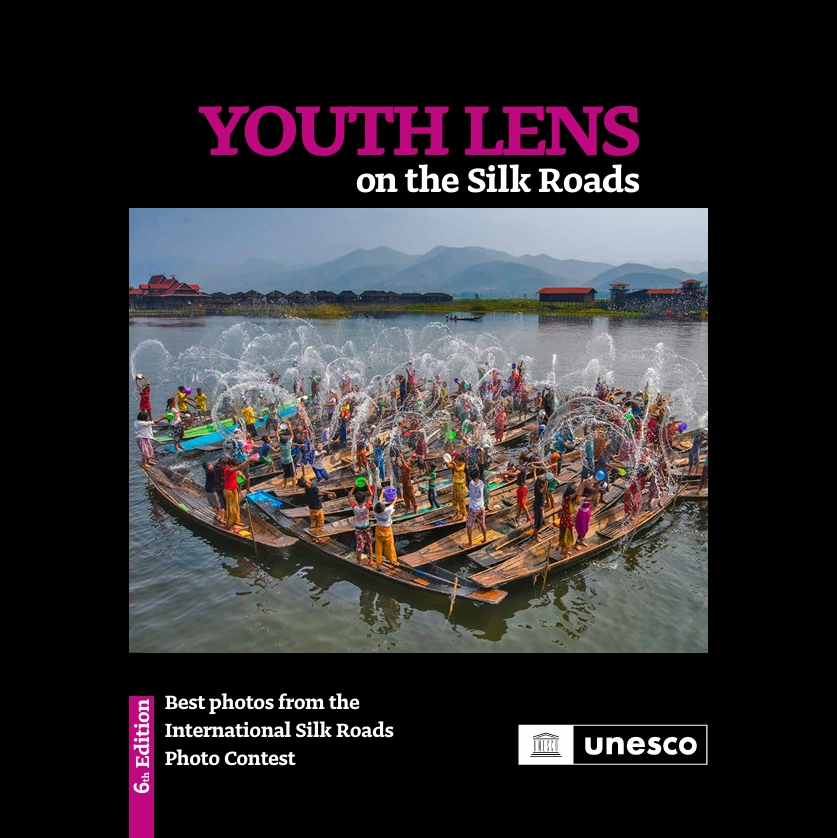 Youth Lens on the Silk Roads: Best Photos from the International Silk Roads Photo Contest; 6th Edition
 -
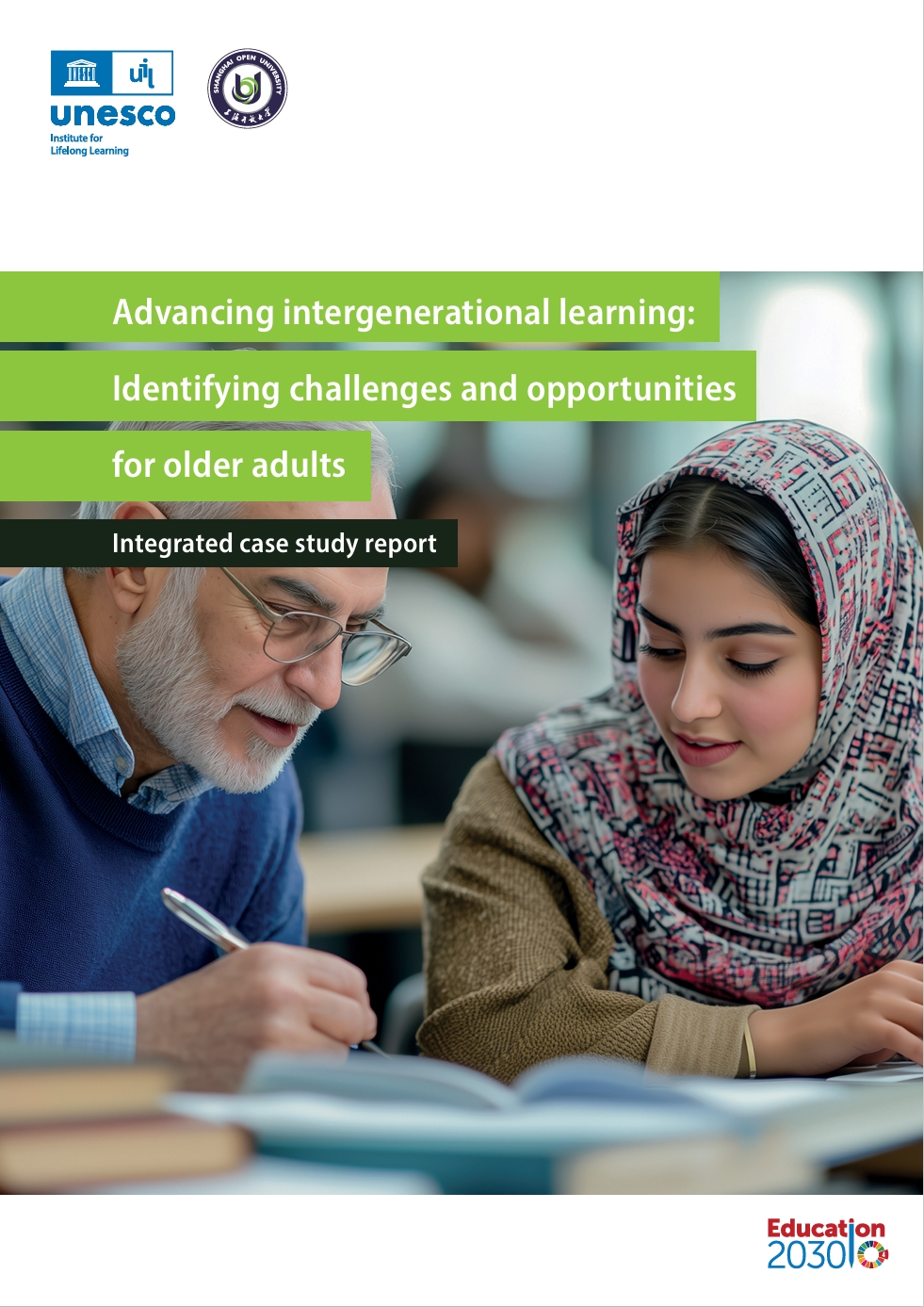 Advancing Intergenerational Learning: Identifying Challenges and Opportunities for Older Adults; Integrated Case Study Report
 -
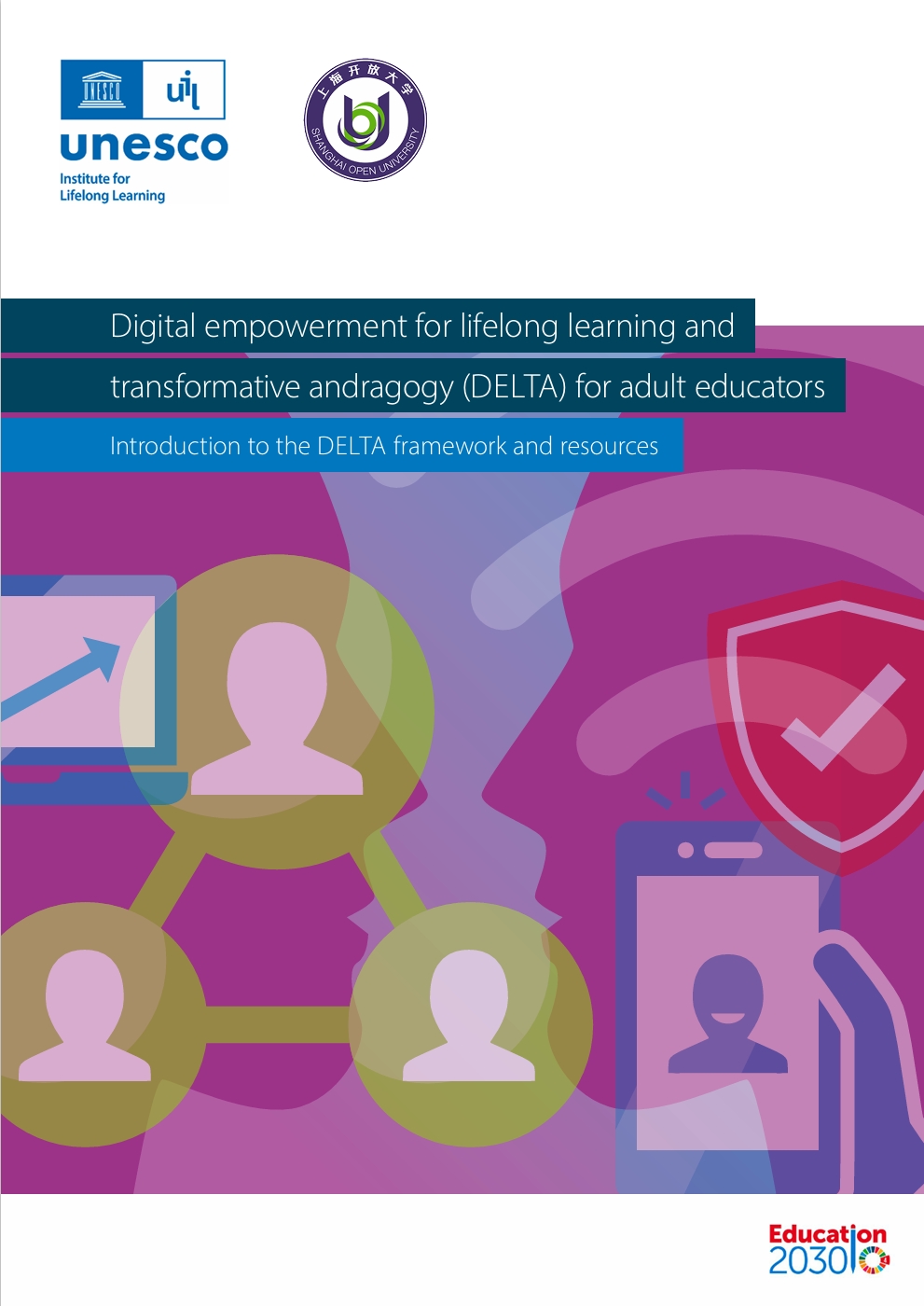 Digital Empowerment for Lifelong Learning and Transformative Andragogy (DELTA) for Adult Educators: Introduction to the DELTA Framework and Resources