

The Effect of Cooperative Learning on School Achievement and Academic Tendencies for Mathematics among School-related Students
- Auteur
- Burio Murad
- Auteur institutionnel
- Baji Mukhatar University
- Collation
- 206. p
- Langue de la ressource
- Arabe
- Année de publication
- 2012
- Mot-clé
- التأخر الدراسيالذكاءالتحصيل الدراسيالتعلم التعاونيAcademic delayIntelligenceAcademic achievementCooperative learning
- Type de ressource
- Research papers / journal articles
- Niveau d’éducation
- Enseignement supérieur
- Région
- États arabes
- Lieu de publication
- عنابة
Academic delay is a prevalent problem in the educational setting, and it is one of the most frequently addressed by researchers and professionals. It has no detrimental influence on the student's psychological development since it impedes his academic progress and cognitive development, given that this stage is a stage of diverse growth, as it is physical, psychological, emotional, and cognitive. It also contributes to wasting financial resources allocated to education and, accordingly, the repercussions of the phenomenon extend to the family and society as a whole. Those who are falling behind in school typically have a normal level of intelligence and good physical condition, but their level of achievement is lower than their true level or the level expected of them.
In this study, the focus was on the cooperative learning strategy to verify its effectiveness in increasing students’ achievement in mathematics and improving their inclinations towards it.
Ressources associées
-
 IIEP-UNESCO 12th Medium-Term Strategy: 2026–2029
 -
 Digital Empowerment for Lifelong Learning and Transformative Andragogy (DELTA) for Adult Educators: Introduction to the DELTA Framework and Resources
 -
 Envisioning the Future of Assessment in Transformative Education: A Synthesis Report of the Expert Meeting on Evaluation and Assessment for Transformative Education: Towards and Beyond 2030
 -
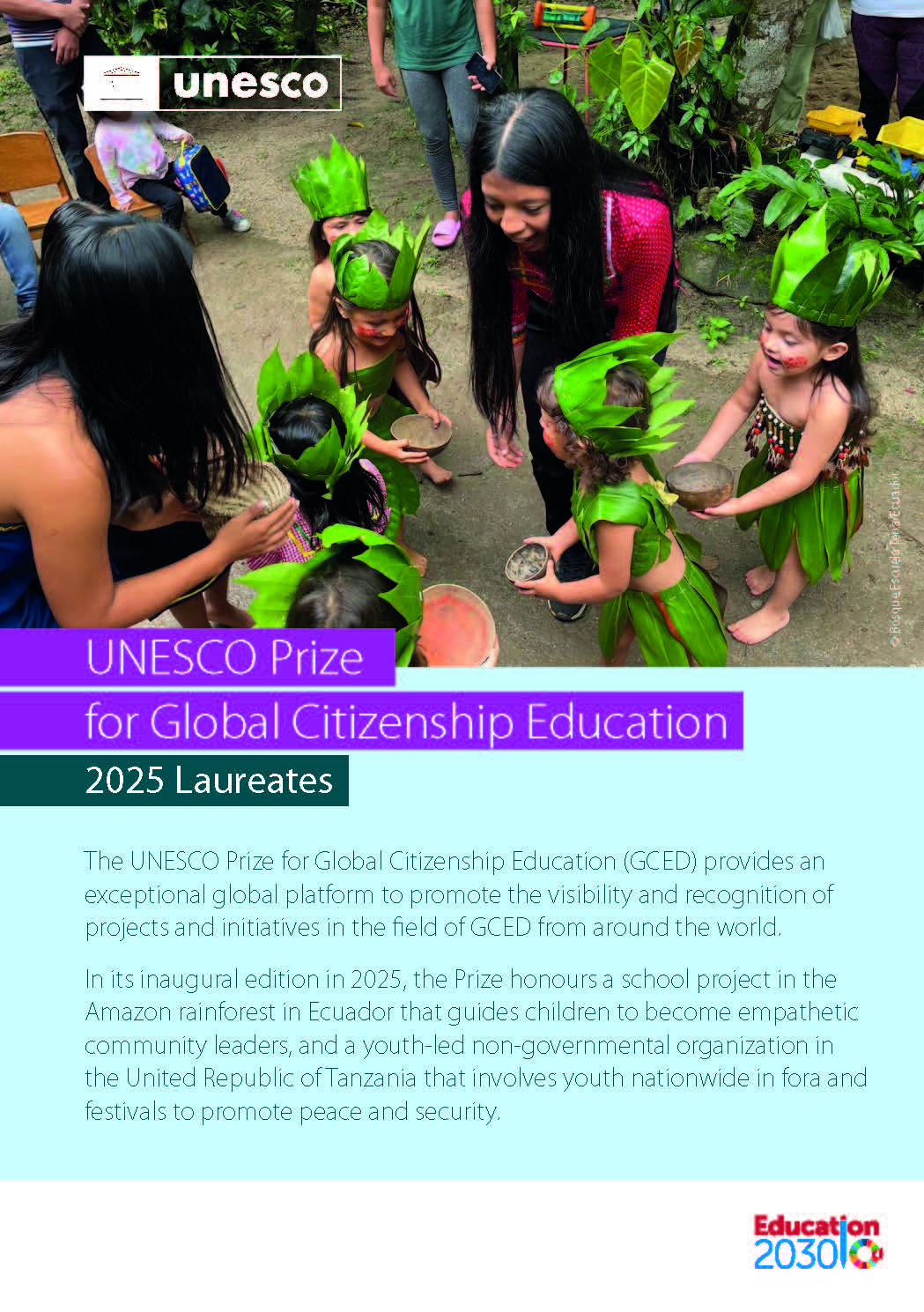 UNESCO Prize for Global Citizenship Education 2025 Laureates