
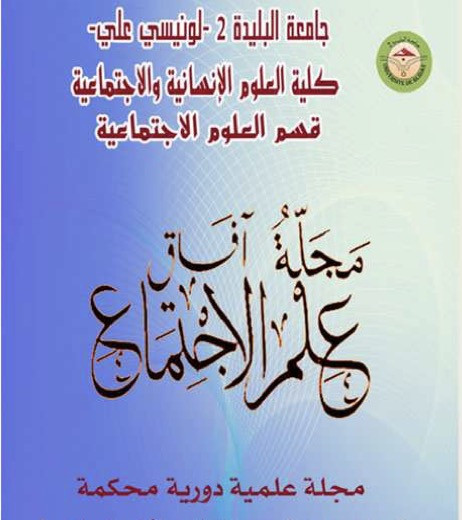
The Effect of Integration in Kindergarten in Improving Verbal and Non-Verbal Communication among Children with Autism spectrum Disorder
- Auteur
- Bin Fatima Maryam
- Auteur institutionnel
- University of Blida 2
- ISBN
- ISSN 1112-8259
- Collation
- 357-373 p.
- Langue de la ressource
- Arabe
- Année de publication
- 2023
- Type de ressource
- International normative instruments / policy and advocacy documentsRapports de conférences et de programmes
- Niveau d’éducation
- Éducation non formelleAutres
- Région
- Global
- Lieu de publication
- قسنطينة
This study aimed to identify the effect of integration in kindergartens on improving verbal and non-verbal communication among children with autism spectrum disorder by presenting the development of a group of seven children (3-4) years old who were diagnosed with autism spectrum disorder and then integrating them for a full year in kindergartens. The study, based on the Cars scale for estimating childhood autism, the verbal and non-verbal communication test, and the Brunet-Lèzine test, found that there are statistically significant differences between integration in kindergarten and both verbal and non-verbal communication, the degree of estimation of childhood autism, and the coefficient of the growth.
Ressources associées
-
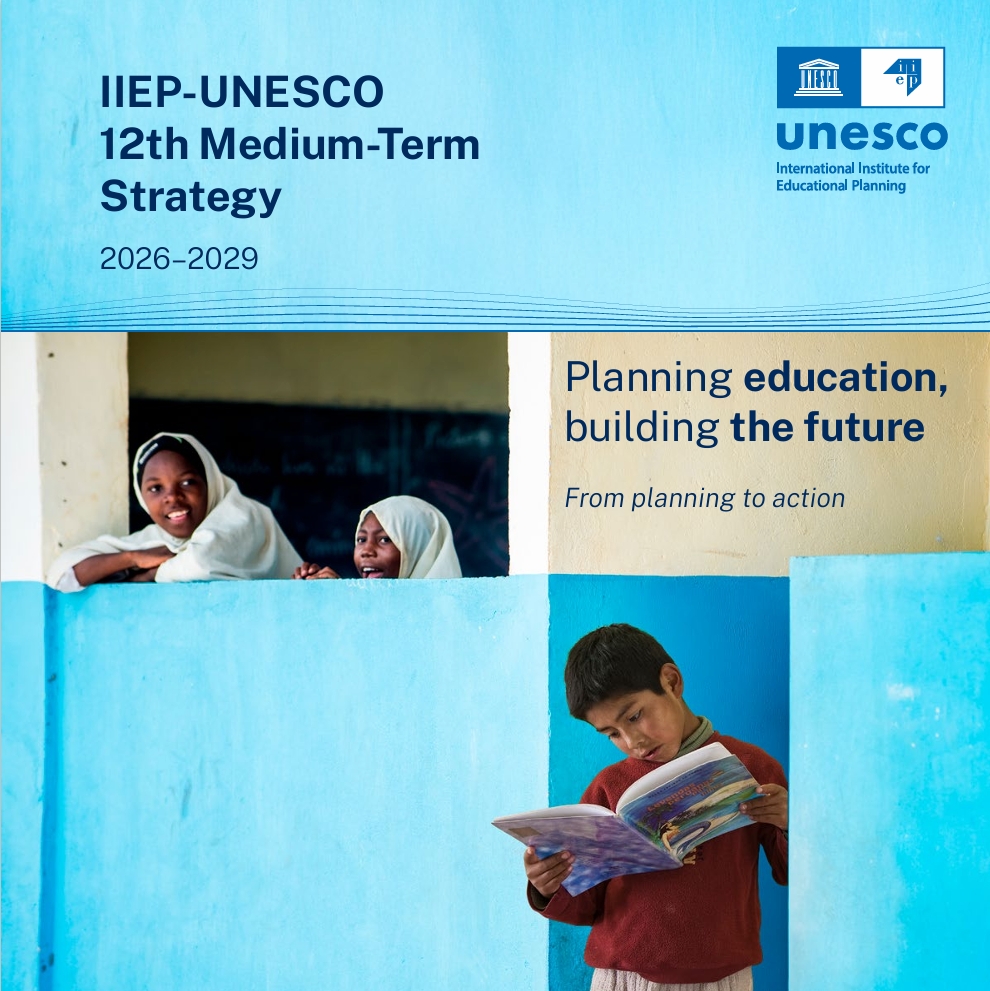 IIEP-UNESCO 12th Medium-Term Strategy: 2026–2029
 -
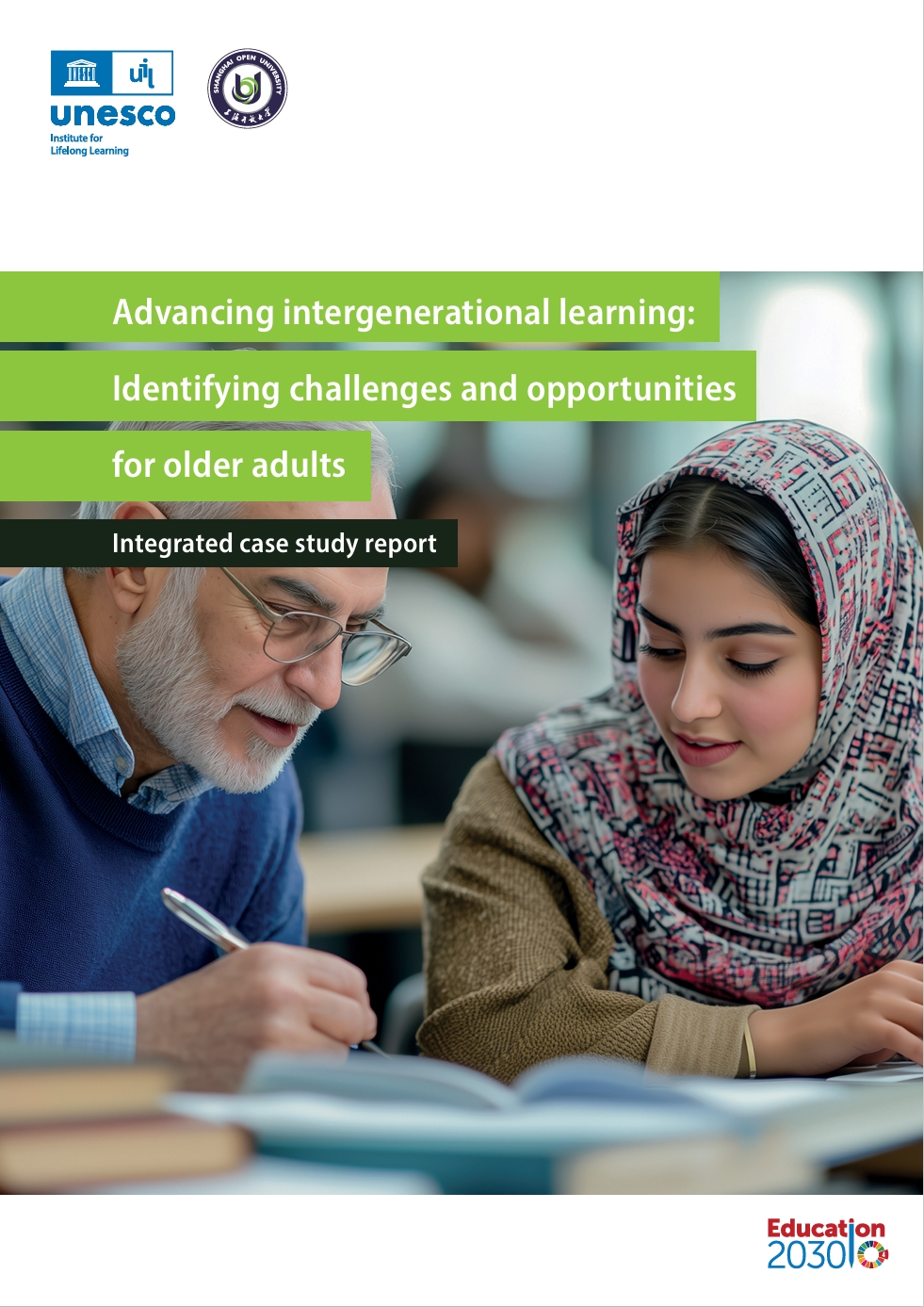 Advancing Intergenerational Learning: Identifying Challenges and Opportunities for Older Adults; Integrated Case Study Report
 -
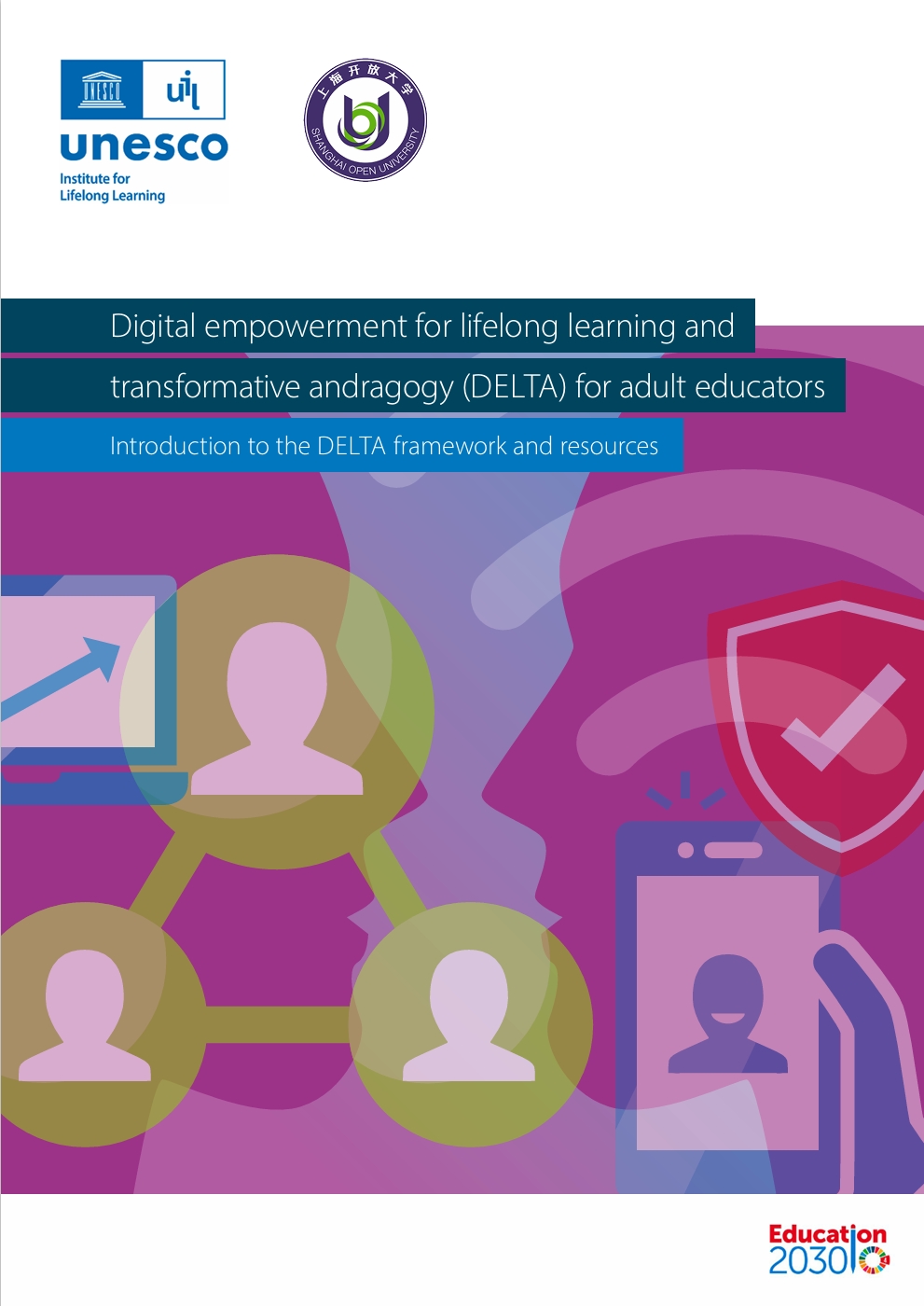 Digital Empowerment for Lifelong Learning and Transformative Andragogy (DELTA) for Adult Educators: Introduction to the DELTA Framework and Resources
 -
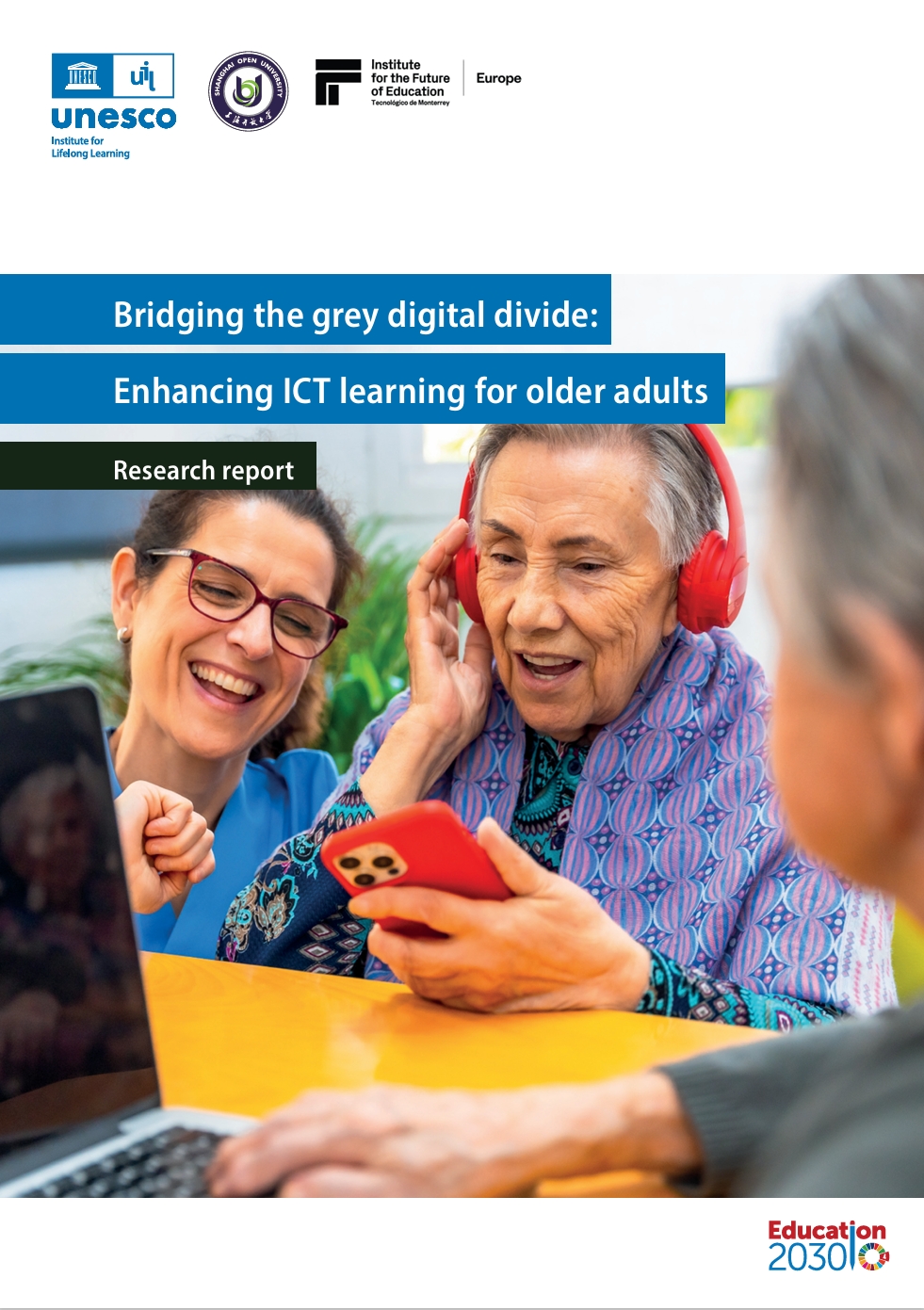 Bridging the Grey Digital Divide: Enhancing ICT Learning for Older Adults; Research Report