
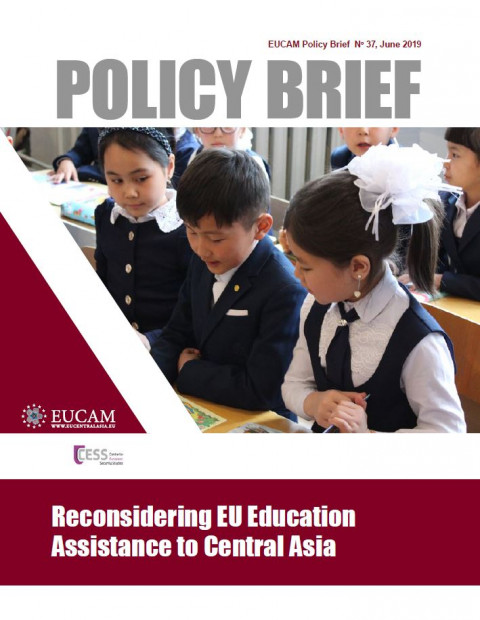
Reconsidering EU Education Assistance to Central Asia (EUCAM Policy Brief No. 37, June 2019)
This paper is based on broader research on education in Central Asia that includes interviews with local stakeholders (teachers, parents and students) in Kazakhstan, Kyrgyzstan and Uzbekistan. Some views were taken from Sebastien Peyrouse, ‘How to Strengthen Western Engagement in Central Asia: Spotlight on EU Education Assistance in Uzbekistan’, PONARS Policy Memo, no. 524, April 2018,
관련 자료
-
 IIEP-UNESCO 12th Medium-Term Strategy: 2026–2029
 -
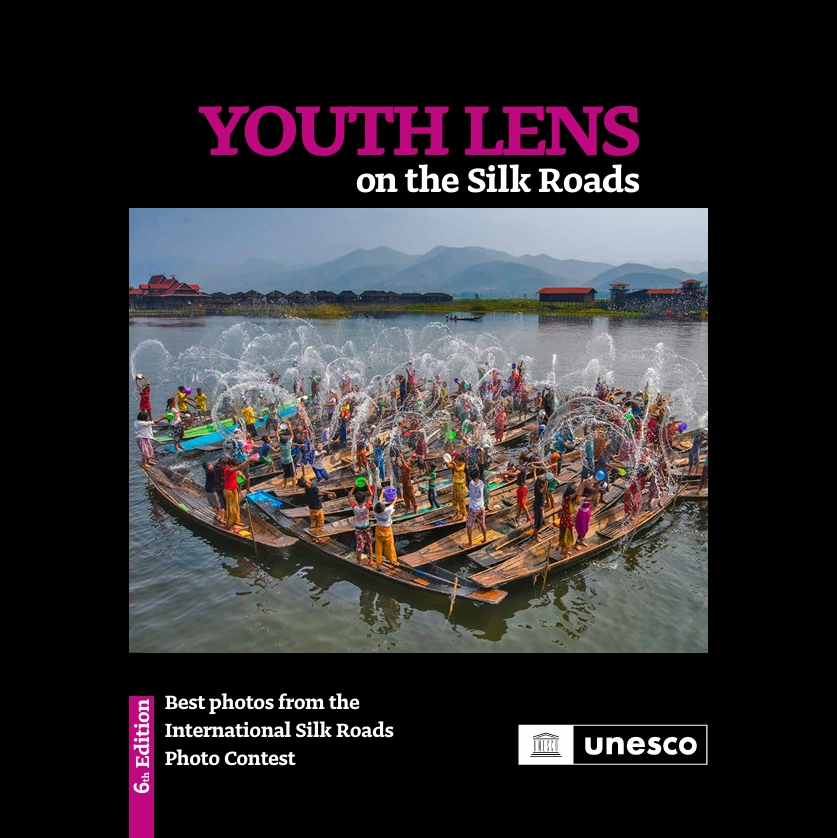 Youth Lens on the Silk Roads: Best Photos from the International Silk Roads Photo Contest; 6th Edition
 -
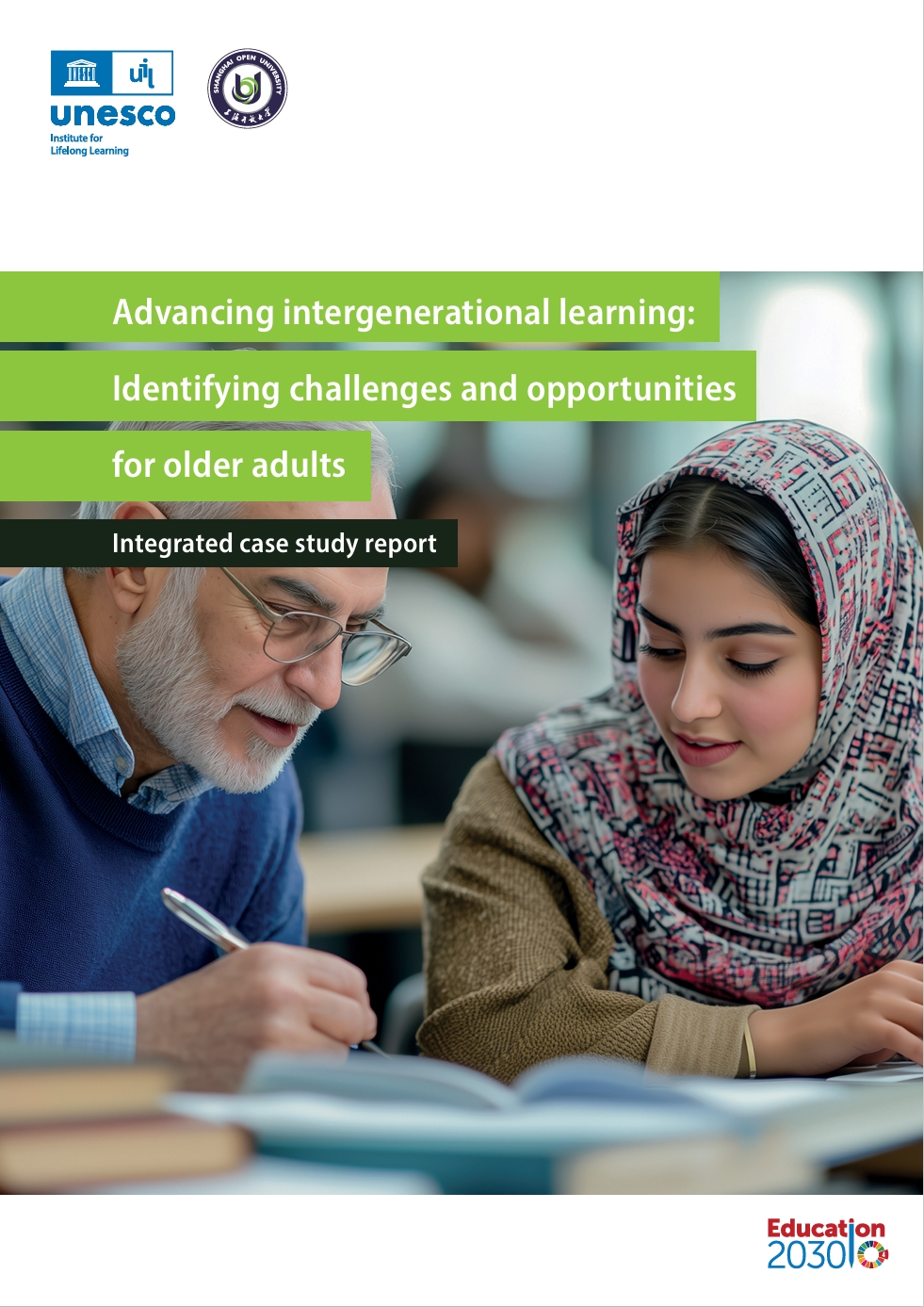 Advancing Intergenerational Learning: Identifying Challenges and Opportunities for Older Adults; Integrated Case Study Report
 -
 Digital Empowerment for Lifelong Learning and Transformative Andragogy (DELTA) for Adult Educators: Introduction to the DELTA Framework and Resources