
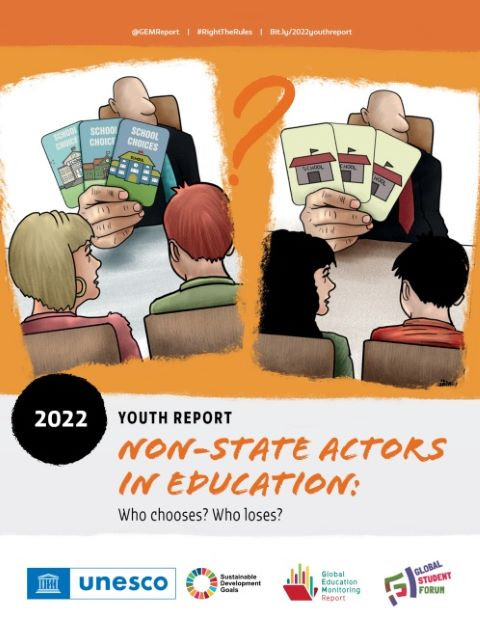
Youth Report 2022: Non-state Actors in Education; Who Chooses? Who Loses?
- Корпоративный автор
- Организация Объединенных Наций по вопросам образования, науки и культуры (UNESCO)
- ISBN
- ISBN 978-92-3-100527-5 (eng); ISBN 978-92-3-200264-8 (fre); ISBN 978-92-3-300189-3 (spa)
- Колляция
- 25 p.
- Язык ресурса
- Английский
- Год публикации
- 2022
- Тема
- Гражданственность / Гражданство / ДемократияМедийная и информационная грамотность / Цифровое гражданствоПрава человекаГлобализация и социальная справедливость / Международное взаимопониманиеРазнообразие / Культурная грамотность / ИнклюзивностьУстойчивое развитие / УстойчивостьДругое
- Тип ресурса
- Исследовательские работы / журнальные статьи
- Уровень образования
- Раннее детское развитие, уход и образованиеНачальное образованиеСреднее образованиеВысшее образованиеОбучение на протяжении всей жизниТехническое и профессиональное образование и обучениеНеформальное образование
- Регион
- Глобальный
- Место публикации
- Paris
This report is written in partnership with the Global Student Forum to help you learn about the youth perspective on the different roles and impact of non-state actors in education. For many, a discussion on the role of non-state actors in education quickly boils down to a debate about whether private schools support or undermine good-quality education.
But the role of non-state actors impacts many more corners of the education sector, from the textbooks you use, the food in your canteens, any additional tutorial support you get, the skills you might learn at work and much more.
The report invites youth to join a call for governments to #RightTheRules which will ensure that non-state actor involvement does not compromise the promise of providing 1 year of pre-primary and 12 years of primary and secondary education free for all.
Связанные ресурсы
-
 IIEP-UNESCO 12th Medium-Term Strategy: 2026–2029
 -
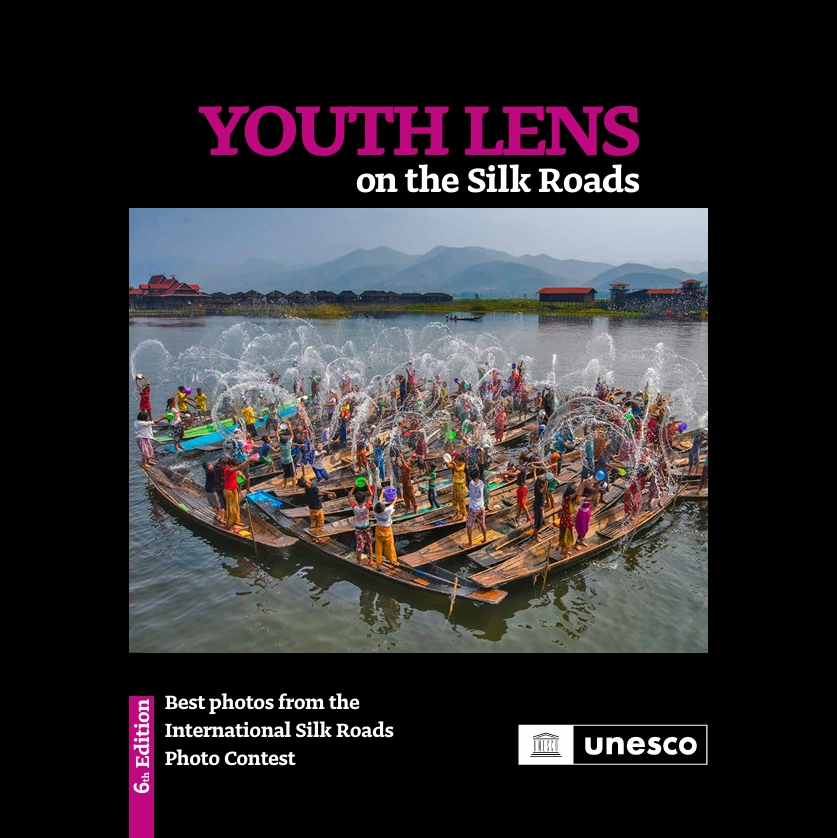 Youth Lens on the Silk Roads: Best Photos from the International Silk Roads Photo Contest; 6th Edition
 -
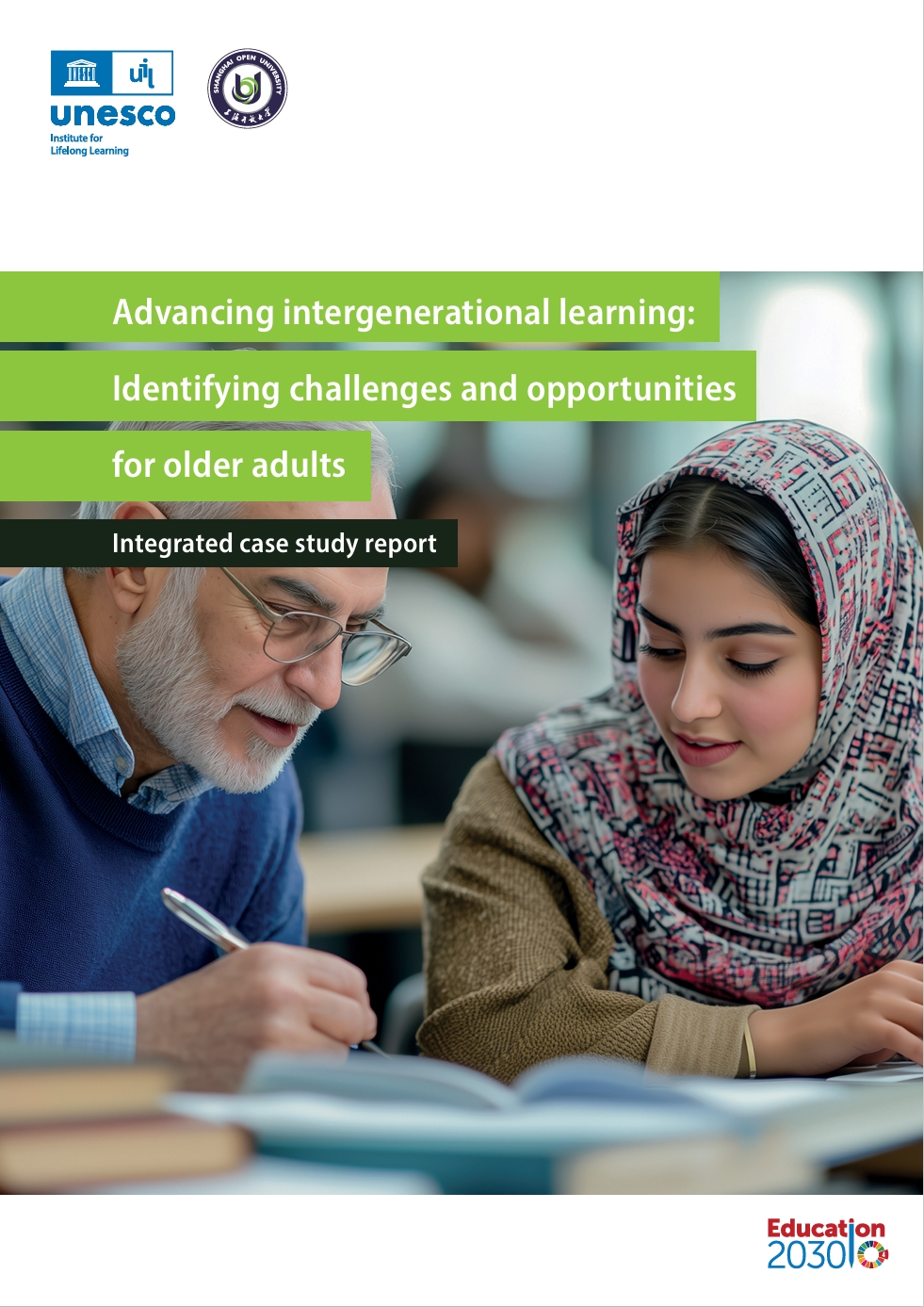 Advancing Intergenerational Learning: Identifying Challenges and Opportunities for Older Adults; Integrated Case Study Report
 -
 Digital Empowerment for Lifelong Learning and Transformative Andragogy (DELTA) for Adult Educators: Introduction to the DELTA Framework and Resources